

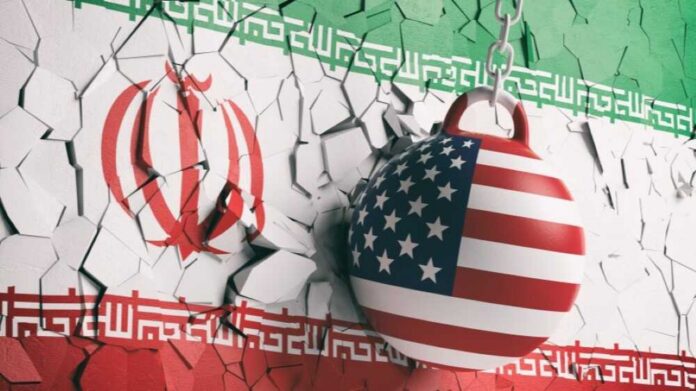
Americans are paying the price at the pump for a war President Trump promised to keep us out of, as over 40 Middle East energy facilities lie in ruins and the global energy watchdog warns this crisis surpasses even the devastating oil shocks of the 1970s.
Story Snapshot
- The International Energy Agency confirms more than 40 energy assets across nine Middle Eastern countries have been severely damaged since the Iran war began in late February 2026
- The Strait of Hormuz, which normally transports 20 million barrels of oil daily, has been effectively shut down for over three weeks, driving up energy costs worldwide
- IEA Executive Director warns the crisis exceeds the combined impact of the 1970s oil crisis and the 2022 natural gas shortage, threatening prolonged supply chain disruptions
- Emergency releases of 400 million barrels from strategic reserves are underway, yet recovery of damaged infrastructure will take an extended time even after fighting ends
War Costs Hit American Families Where It Hurts Most
The Trump administration’s military strikes against Iran on February 28, 2026, launched alongside Israel, have triggered an energy catastrophe that conservatives were promised would never happen. Those strikes, which killed over 1,300 people, including Iran’s Supreme Leader, sparked retaliatory missile and drone attacks across Israel, Jordan, Iraq, and Gulf nations hosting U.S. military bases.
American families watching gas prices spike are now questioning whether regime change was worth destroying the energy security Trump vowed to protect during his campaign promises of “America First” and staying out of endless Middle East conflicts.
More than 40 Middle East energy assets ‘severely damaged,’ IEA chief says https://t.co/s1wFWM4C1u
— CNBC (@CNBC) March 23, 2026
Infrastructure Devastation Creates Perfect Storm for Energy Crisis
The International Energy Agency’s assessment reveals systematic destruction across the region’s energy backbone. Oil fields, refineries, and pipelines that took decades to build now sit damaged across nine countries. The Strait of Hormuz chokepoint, responsible for transporting one-fifth of global daily oil supply, remains effectively closed after three weeks of conflict.
IEA Executive Director Fatih Birol stated the damage will require extended recovery time, warning that “it will take some time for the oil fields, refineries and pipelines to come back online.” This infrastructure won’t magically repair itself when politicians declare victory.
Economic Reality Contradicts Political Promises
Birol’s comparison of this crisis to the combined impact of both 1970s oil shocks plus the 2022 natural gas crisis reveals the magnitude of economic pain Americans face. Shipping costs have surged while global oil prices climb, hitting working families already struggling with inflation from years of fiscal mismanagement.
The IEA plans to release 400 million barrels from emergency reserves, essentially draining strategic supplies built for genuine national emergencies. Asian nations face particularly severe vulnerability due to their dependence on Middle Eastern energy, creating global supply chain disruptions that extend far beyond gasoline prices to affect every product Americans purchase.
Long-Term Consequences Extend Beyond Conflict Resolution
Even when fighting eventually stops, the economic damage persists indefinitely. Birol explicitly warned that supply chain disruptions will continue “even after the conflict ends,” meaning Americans will pay elevated energy costs for years while infrastructure undergoes slow, expensive reconstruction.
The crisis affects “not only oil and gas, but some of the vital arteries of the global economy,” according to the IEA assessment. This represents exactly the type of predictable consequence that follows regime change wars, the very conflicts Trump supporters believed they voted against when choosing a candidate who promised to prioritize American interests over foreign entanglements and neoconservative military adventurism.
The fundamental question for conservatives remains unanswered: How does destroying Middle Eastern energy infrastructure and creating global economic chaos serve American interests? Trump’s base supported him specifically to avoid these endless wars that enrich defense contractors while ordinary Americans suffer through higher costs and economic instability.
The promise was energy independence and staying out of conflicts that don’t directly threaten American security. Instead, we’re watching strategic oil reserves get depleted, families struggle with rising costs, and another generation of Middle East infrastructure reduced to rubble while politicians claim victory.