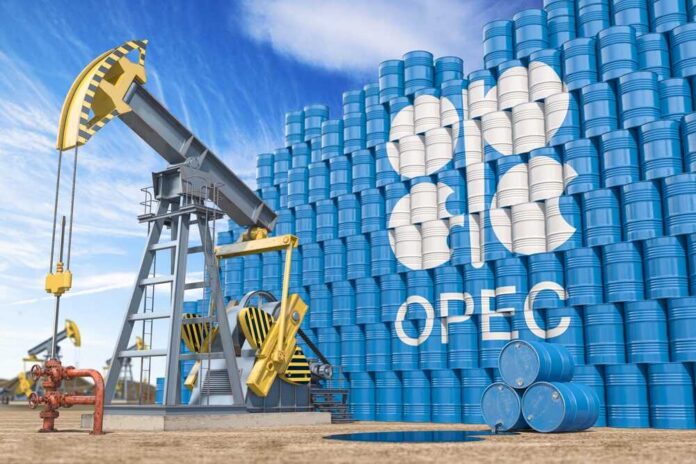
The UAE didn’t just quit an oil club—it grabbed the steering wheel of its own output at the worst possible time for the world to lose predictability.
Quick Take
- The UAE will leave OPEC and OPEC+ effective May 1, 2026, ending more than six decades of membership.
- Abu Dhabi’s stated goal is flexibility: produce based on national strategy, not cartel quotas.
- The exit lands during Gulf supply disruptions and Strait of Hormuz insecurity, when consumers crave stability.
- The move exposes fraying cohesion inside OPEC’s Saudi-led model and could invite more members to rethink loyalty.
A Clean Break That Wasn’t Meant to Look Dramatic
The announcement on April 28, 2026 delivered a blunt message: the United Arab Emirates will no longer accept production quotas set by OPEC and the wider OPEC+ coalition once the exit takes effect May 1.
UAE Energy Minister Suhail al-Mazrouei framed it as a sovereign decision tied to long-term economic priorities, and he emphasized flexibility as the prize. The subtext is sharper—Abu Dhabi wants room to act while global energy markets tighten.
The United Arab Emirates said it was quitting OPEC and OPEC+, dealing a heavy blow to the oil exporting groups and their de facto leader, Saudi Arabia, at a time when the Iran war has caused a historic energy shock and unsettled the global economy https://t.co/WDnS1uI42H pic.twitter.com/7cNqPwihK3
— Reuters (@Reuters) April 28, 2026
OPEC has always sold itself as “stability,” but stability for whom is the question. For decades, quotas helped members manage prices, yet they also forced fast-growing producers to leave barrels underground even after investing billions to lift capacity.
The UAE has money, infrastructure, and ambition; the frustration comes when that machinery sits idling because coordination requires restraint. When a country believes its national interest diverges from the group’s, departure becomes a policy tool, not a tantrum.
The Quota Problem: When Investment Meets a Ceiling
The UAE has signaled plans to raise capacity from roughly 3.4 million barrels per day to 5 million by 2027. That trajectory clashes with quota frameworks designed to make everyone share the pain of cuts—or the restraint of not pumping too much.
Abu Dhabi’s logic is straightforward: if you paid for the capacity, you want the option to use it when it serves your balance sheet and your geopolitical aims. OPEC membership turns that option into a negotiation.
That tension with Saudi Arabia didn’t materialize overnight. OPEC works best when the biggest players align on time horizons: accept short-term volume limits to defend price, then adjust together. The UAE’s bet looks different. It wants to protect revenue, yes, but it also wants to expand market presence across crude, petrochemicals, and gas.
A common-sense read says this is what rational states do: they maximize flexibility when uncertainty rises, especially in industries where politics can shut off supply overnight.
Bad Timing for the World, Convenient Timing for the UAE
The exit comes during Iran-U.S. war-driven disruption and recurring fear around the Strait of Hormuz, a chokepoint for roughly a fifth of global oil and LNG shipments. That matters because the UAE’s newly won freedom doesn’t automatically translate into immediate barrels.
If tankers can’t move safely or regional risk forces producers to slash output, flexibility is more strategic than operational. Abu Dhabi still gains leverage because it can plan for the moment the bottleneck eases.
Consumers hear “cartel weakening” and imagine cheaper gasoline tomorrow. That’s not how tight markets behave. In the near term, the bigger story is coordination risk: traders price uncertainty, and the loss of a disciplined framework can add volatility even if actual supply doesn’t surge.
The minister’s comment about strategic reserves being drawn down points to an uncomfortable reality: policymakers in importing countries have fewer shock absorbers than they’d like, and the Gulf remains the planet’s most consequential energy neighborhood.
OPEC Cohesion Takes a Hit, Saudi Leadership Takes a Question
The UAE did not directly consult other producers before acting, which signals intent. OPEC runs on consultation, horse-trading, and face-saving statements about unity. Unilateral exits puncture the mystique.
Saudi Arabia still has weight, but leadership depends on followership, and followership depends on members believing the deal is fair. Once one major producer proves the exit door is usable, every future quota dispute gets a new bargaining chip: “Give us our baseline, or we walk.”
The long-term risk for OPEC is less about immediate barrels and more about precedent. If additional producers decide their national development plans matter more than cartel discipline, OPEC turns from a price-management machine into a forum for complaints.
That doesn’t automatically doom it; cartels can survive with smaller cores. It does, however, reduce the ability to orchestrate synchronized cuts, and it invites competition that looks a lot like the market doing what markets do—forcing producers to win customers rather than coordinate scarcity.
What This Means for U.S. Interests and Everyday Americans
Some coverage casts the UAE’s move as aligning with U.S. energy interests, even describing it as a political win for President Donald Trump. Strip out the talking points and the practical question is simple: does less cartel discipline help Americans?
Over time, more non-coordinated capacity can pressure prices downward and reduce the power of foreign producers to engineer spikes. Common sense favors optionality, competition, and energy security—especially when American families feel energy costs in groceries, travel, and utilities.
That said, nobody should confuse “future competition” with “instant relief.” War risk, shipping lanes, insurance rates, and infrastructure constraints can overwhelm paper capacity. The UAE’s plan looks like a long game: build the ability to produce more, then choose the right moment.
For readers watching energy headlines like weather reports, keep this open loop in mind: the real impact won’t show up on May 1, but when Gulf disruptions fade, Abu Dhabi will no longer need permission to open the taps.
The next signal to watch is not a press release; it’s behavior. If the UAE starts signing longer-term supply commitments, expanding downstream investments, and positioning itself as the “reliable alternative” to quota politics, other producers will feel pressure to match that credibility.
OPEC’s response will also matter—whether it tightens discipline, offers concessions, or pretends nothing changed. In energy markets, denial is expensive, and the bill usually finds its way to voters.
Sources:
https://www.foxbusiness.com/markets/uae-says-leave-opec-effective-may-1