
Colorado’s signature glaciers shed years’ worth of ice in a single scorching, snow-starved season.
Story Snapshot
- Andrews, Arapaho, and Isabelle glaciers lost 6.5 to 12+ feet of thickness in 2026.
- Field reports say losses were about twice the pace of the previous five years.
- Colorado logged its warmest water year on record, 4.5°F above recent norms.
- Statewide snowpack peaked at about 51% of average and vanished early under March heat.
What Happened On The Ice
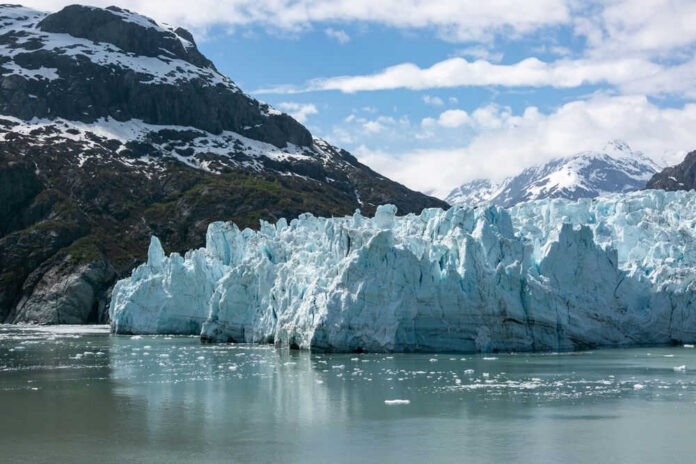
Colorado State University glaciologist Dan McGrath reported sharp one-year thinning on three Front Range glaciers. Andrews Glacier dropped more than 12 feet, Arapaho Glacier lost nearly 10 feet, and Isabelle Glacier thinned about 6.5 feet during the 2026 water year. These numbers do not describe a gentle slide. They read like a floor giving way. Reporters covering his measurements added that the 2026 loss was roughly double the average thinning pace over the prior five years.
The message is not that every ice patch suffered the same losses. The story centers on these three, which are long-watched and easy to reach. That makes them useful thermometers for the state’s high country. They sit below jagged ridgelines that feed Denver’s taps, farms on the plains, and late-summer creeks. When these glaciers shrink fast, it tells us the mountains failed their cold-storage job that year. The 2026 numbers say that failure was loud and clear.
The Heat Record That Set The Stage
Colorado’s 2026 water year, which runs from October 1 to September 30, was the warmest on record. Statewide temperatures ran 4.5 degrees Fahrenheit hotter than the 1991 to 2020 average. That beat the previous warm record by more than 2 degrees Fahrenheit, a striking margin for statewide data. Warmth this broad turns spring into fast-forward. Snow crusts do not last. Daytime melt starts earlier and runs longer. Nighttime refreeze weakens. Glaciers see more time above freezing. Net loss follows.
Colorado’s record-shattering water year was ‘ridiculously warm,’ a little bit ‘scary’ and offered a ‘new perspective’ on how climate change will affect the state https://t.co/REvxI1KgdV pic.twitter.com/J7Lh2Pf30C
— The Aspen Times (@TheAspenTimes) October 21, 2026
Snowpack failed too. The Colorado Climate Center reported the statewide peak at about 51 percent of average, arriving about a month early. A hot March sped the melt and erased the cushion that protects ice into June. Manual snow-course readings confirmed how rare this was. Sixty of sixty-four long-running sites reported record-low April 1 snow-water content. That is not bad luck at a handful of spots. That is a statewide shortfall with long roots.
Glaciers As Water Banks, And The Withdrawal Slip
Glaciers work like savings accounts. Winter storms make the deposits. Summer heat writes the checks. In 2026, the storms showed up short and the heat kept spending. Andrews, Arapaho, and Isabelle could only shrink under that math. A nearby marker adds texture: the snowfield at St. Mary’s, which many people call a glacier, peaked at about half its normal basin snow-water and disappeared by June 6, the first full loss in the record for that site. That is not glacier ice, but the pattern matches.
Some readers will ask whether these losses mark a blip or a trend. One year never writes the whole climate story. Yet field teams compared the 2026 hit to the past five years and found it was about double the pace. That is a strong hint about direction. The conservative test here is simple: judge the numbers, not the noise. When heat records stack and snowpack breaks low marks across decades-long stations, common sense says plan for leaner summers unless cold, wet years return often.
What To Watch Next In Colorado’s High Country
The path forward runs through measurement and management. Universities and agencies should keep posting open, point-by-point data on glacier thickness, snow depth, and timing. Clear records answer fair questions and calm speculation. Water managers can adjust storage rules to catch earlier melt pulses and spread risk. Hikers and anglers can expect earlier bare ice, lower late flows, and warmer creeks. If another hot, low-snow year lands soon, expect more ice to vanish before mid-summer, with downstream stress to match.
None of this asks for panic. It asks for priorities. Protect winter snow by guarding high-elevation cold. Treat spring heat as a live hazard to our “free reservoir” in the mountains. Respect clear field work that tells an unblinking story: when the state runs a warmest-on-record year and snow peaks at half strength, the ice loses. That is the ledger. Colorado saw it plainly in 2026, down to the foot, on three storied glaciers that many of us learned to love on our first alpine hikes.
Sources:
youtube.com, chicagotribune.com, atmos.colostate.edu, aspentimes.com