
McDonald’s is testing two new value-menu formats in about 1,900 U.S. restaurants to win back slipping traffic and set up a broader rollout next year.
Story Snapshot
- Eight-week test of mix-and-match and fixed-price bundles in several U.S. regions
- Goal: deliver clear, everyday affordability across breakfast, lunch, and dinner
- National value program targeted after the test period, with timing into next year
- Return to value aims to revive traffic without breaking franchise economics.
McDonald’s Moves Fast To Reclaim Value Leadership
McDonald’s began an eight-week test of two everyday value formats in roughly 1,900 U.S. restaurants, spanning all day parts. Chief Executive Officer Chris Kempczinski said the test covers mix-and-match bundles and fixed-price bundles, designed to offer simple choices and clear savings. The company framed value as the lever to bring back price-sensitive guests who have pulled back in recent quarters. A broader national value program is planned after the test, with timing targeted for next year.
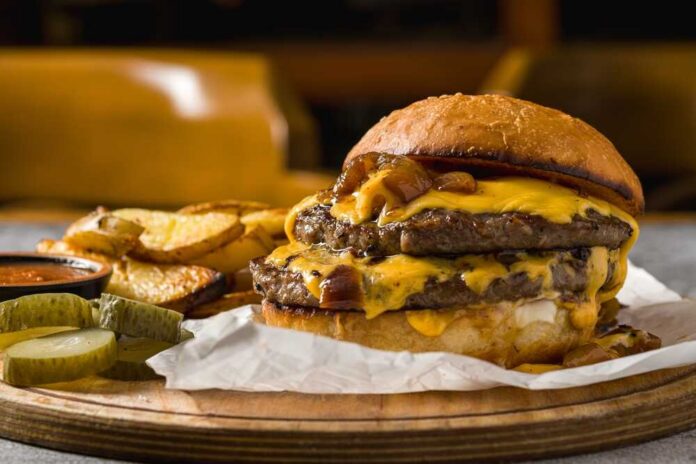
The mix-and-match approach lets customers build a meal from a short list of items at a set deal price, while fixed bundles lock in a full combo at one low price. The format matters. It trains ordering habits, speeds drive-thru decisions, and limits kitchen complexity. The company’s message is direct: get traffic growing again with sharp entry prices and a menu that feels familiar. That mix aligns with what has worked in past cycles of fast-food discount wars.
Why This Test Could Stick When Others Faded
Value plays come in waves. The original Dollar Menu drove traffic in the early 2000s and built ordering rituals, but rising food and labor costs squeezed owners’ margins over time. Chains then moved to tiered pricing and regional deals to protect profits. The new McDonald’s test tries to balance those tensions by limiting the offer set, steering choices to items that travel well, and using bundles to drive add-on sales like fries and drinks, where margins typically run higher.
McDonald's plans new value menu offerings next year to boost sluggish sales https://t.co/eoDuLf5dM4
— FOX Business (@FoxBusiness) November 6, 2026
Customers respond to clarity and speed. Simple bundles reduce “menu math” and limit sticker shock. Franchisees need offers that do not drain cash with every order. The bundle structure can serve both goals if engineered with the right items and portion sizes. That is likely why the test stretches across breakfast through late night and includes two designs, so leaders can compare results and tweak the lineup before a national push.
The Stakes: Traffic Today, Durable Economics Tomorrow
U.S. traffic softness forced the issue. When visits dip, fixed costs like rent and crew hours weigh heavier. A sharp value hook can reverse that, and even bring back lapsed guests. But traffic for traffic’s sake is a trap if each order loses money. The company appears focused on repeatable economics, not a flash sale, by standardizing the formats and using them across regions, which also makes national advertising cleaner and more effective.
Competitors will answer. Value wars rarely stay one-sided. Burger chains match each other within weeks, because the guest shopping trip is fluid. The edge goes to whoever marries price with convenience and brand trust. McDonald’s scale helps with food costs and supply chain stability, which supports conservative business values like discipline and consistency. If the bundles prove both popular and profitable, expect a sustained campaign rather than a short promotion that fades when budgets tighten.
What To Watch As The Test Unfolds
Menu mix shift will show whether customers trade down or add items. If bundles anchor the order and still leave room for premium sandwiches or specialty drinks, stores can hold margins. Drive-thru times will signal operational health; a cleaner value board should shorten stalls at the speaker. Regional results will reveal whether breakfast or dinner carries the format. Management can then tune the list and the price points before a national launch next year, which executives have already signaled as the plan.
Franchisee buy-in will make or break the rollout. Owners need proof the bundles boost guest counts and cash flow. A focused item set, better prep flow, and reliable food costs help their case. The best outcome looks simple: clear deals, fast choices, and consistent pricing that families can trust. That is how a value menu stops being a gimmick and becomes a habit. McDonald’s is betting this structured approach can win back everyday visits while keeping owners healthy.
Sources:
marketwatch.com, apnews.com, finance.yahoo.com, eater.com, chicagotribune.com