
The Federal Reserve’s most divided vote since 1992 exposes a central bank fracturing under inflation pressures and geopolitical firestorms, foreshadowing brutal battles for the next chair.
Story Snapshot
- Fed holds rates at 3.5%-3.75% on April 29, 2026, but 8-4 vote marks highest dissents since 1992.
- Three regional presidents reject easing bias amid soaring oil prices over $100/barrel from Middle East war.
- Jerome Powell’s term ends May 15; Kevin Warsh awaits Senate nod amid Trump’s demands for cuts.
- Policy statement upgrades inflation to “elevated,” citing energy shocks and uncertainty.
- Traders bet on no 2026 cuts as divisions signal policy gridlock.
April 29 FOMC Meeting Delivers Divided Verdict
The Federal Open Market Committee voted 8-4 to maintain the federal funds rate at 3.5%-3.75% during its April 29, 2026, meeting. This marked the third consecutive hold in 2026, steady since December 2025.
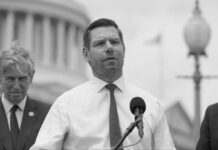
Three regional presidents—Beth Hammack of Cleveland, Neel Kashkari of Minneapolis, and Lorie Logan of Dallas—dissented against the policy statement’s easing bias. They supported the rate hold but opposed signals of future cuts amid rising inflation.
Governor Stephen Miran dissented separately, pushing for an immediate quarter-point reduction. This 8-4 split echoed the last such division on October 6, 1992.
Fed holds rates steady but with highest level of dissent since 1992 https://t.co/h4Ro1opaEm
— CNBC International (@CNBCi) April 29, 2026
Inflation Escalates with Geopolitical Oil Shock
The policy statement shifted inflation description from “somewhat elevated” to “elevated,” directly blaming global energy prices. Oil surged above $100 per barrel due to U.S.-backed war against Iran and Middle East tensions.
The Fed noted these developments create high uncertainty for the economic outlook. Regional presidents prioritized inflation control, viewing easing language as premature. This hawkish upgrade reinforced their stance, even as the statement retained vague phrasing on “extent and timing of additional adjustments.”
Powell’s Exit Amplifies Leadership Transition Chaos
Jerome Powell chaired what may prove his final FOMC meeting, with his term expiring May 15, 2026. President Donald Trump nominated Kevin Warsh as successor, awaiting Senate confirmation. Trump demands rate cuts to fuel growth, clashing with regional banks’ inflation vigilance.
Warsh inherits a committee showing “breadth of opinion,” as experts describe the vote. Regional opposition to Board-led signals grows, testing Fed independence against political pressure. Common sense aligns with hawks: unchecked inflation erodes savings, hitting working families hardest.
Governor Miran’s repeated pro-cut dissents, rooted in his Trump advisory past, highlight dove pressures. Yet facts favor restraint—five years of above-target inflation demand discipline over politically expedient easing.
Fed holds rates steady but with highest level of dissent since 1992https://t.co/IoSqVWgEFj#personalfinance #money #theslowdollar
— TheSlowDollar (@TheSlowDollar) April 30, 2026
Market and Economic Ripples from Dissent
Traders priced in no 2026 rate changes pre-meeting, now bracing for prolonged high rates. Borrowers endure sustained costs; energy sectors reel from oil volatility. Higher inflation squeezes purchasing power, while war uncertainty boosts market swings.
Short-term gridlock delays cuts, potentially stabilizing prices but risking slowdown. Long-term, Trump’s growth agenda faces hurdles if Fed resists premature easing.
Sources:
Fed holds rates steady amid the most dissents in decades
Fed holds rates steady, but board vote is most divided since 1992