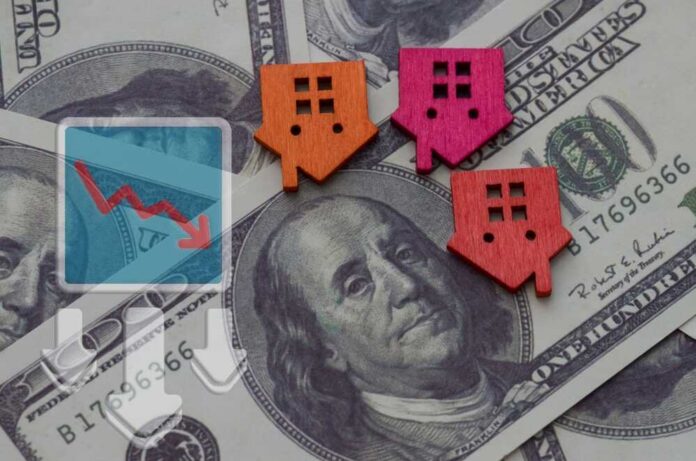
Homeowners who clung to low-rate mortgages under past administrations now face rising delinquencies, trapped by the affordability crisis that Biden-era policies worsened.
Story Snapshot
- Mortgage delinquencies climb as home prices surge by more than 50% from 2020 to late 2025, outpacing family incomes and locking owners into unaffordable payments.
- The “lock-in effect” prevents selling to keep pre-2022 low rates, stifling mobility and propping up stagnant prices amid slow hiring.
- 62% of Americans see homebuying as unrealistic in 2026, with 46% abandoning the ownership dream—echoing the failure of leftist fiscal policies.
- The Trump administration acts with investor bans and potential emergency declarations, though experts note a limited short-term impact on core supply shortages.
- Regional gluts in the Sun Belt and the West Coast signal price drops, risking 2008-style defaults without bold supply reforms.
Rising Delinquencies Hit Homeowners Hard
U.S. borrowers increasingly fall behind on mortgages due to harsh affordability pressures. Home prices rose by more than 50% from 2020 to late 2025, far outpacing income growth.
This surge, fueled by pandemic demand and low initial rates, now burdens existing owners. Many are locked into higher payments after refinancing or when adjustable-rate mortgages reset, increasing their risk of delinquency.
The National Association of Realtors index stands 35% below pre-COVID levels, extending the crisis from buyers to families already in homes.
Housing affordability isn't just hurting buyers: More homeowners are falling behind on their mortgages https://t.co/rS5dpECLAU
— CNBC (@CNBC) February 2, 2026
Lock-In Effect Traps American Families
The dominance of the 30-year fixed-rate mortgage created a lock-in effect after the 2022 rate hikes. Homeowners refuse to sell, clinging to sub-4% rates while new buyers face 7% mortgages. Slowed labor markets from prior fiscal mismanagement restrict job mobility, muting housing supply and demand. J.P.
Morgan analysts note this props up prices despite weakening fundamentals. Regional supply gluts on the West Coast and in the Sun Belt accelerate modest real price declines, hitting conservative strongholds hardest.
Early 2025 saw labor hiring hit recession lows, compounding pressures. Pandemic-era suburban booms and construction surges now lead to oversupply in hot markets. Homeowners stay put, reducing national inventory and perpetuating high costs that erode family wealth and stability.
Consumer Pessimism Signals Deeper Woes
A December 2025 IPX1031 survey reveals 62% of Americans view 2026 homebuying as unrealistic, up from 49%. Nearly half (46%) no longer see ownership as the American Dream.
Affordability math dominates concerns: prices account for 39%, general costs 30%, and rates 18%. Low-income renters and young families suffer most, facing eroded opportunities. This resignation trend is growing amid stalled sales in metros like NYC and Austin, which are down 30% year-over-year.
Trump Reforms Offer Hope Amid Stagnation
President Trump’s administration banned institutional single-family purchases, targeting investors who hold under 3% of the stock but are seen as creating market distortions. Bipartisan YIMBY advocates push supply bills in Congress, echoing calls for deregulation to build more homes. J.P.
Morgan forecasts 0% national price growth in 2026, with gradual sales upticks driven by rate buydowns and declines in adjustable-rate mortgages. Homebuilders offer incentives, yet chronic shortages—estimated at 1.2 million units—persist from overregulation.
Early 2026 data show rising purchase applications and firming prices, according to Dallas Fed models, despite weather noise. Delinquencies edge higher, evoking 2008 precedents of wealth erosion and recessions.
Optimists predict a recovery in demand; pessimists warn that mobility freezes will constrain consumption and growth. Limited policy reach underscores the need for limited-government solutions over past spending sprees.
Sources:
J.P. Morgan US Housing Market Outlook
62 Percent of Americans Say Buying a Home in 2026 is Unrealistic – Scotsman Guide
Dallas Fed Research Economics 2026/0115
Redfin Housing Market Predictions 2026
HousingWire Housing Market Resilient 2026
MPA Mag More Borrowers Slip Behind on Mortgages