
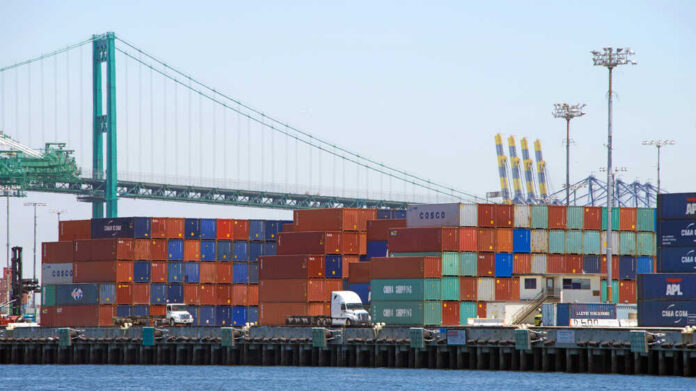
The White House is keeping tariffs high, betting short-term pain will buy long-term security and factory strength.
Story Snapshot
- President Trump tied higher metal tariffs to national security and supply chain strength.
- Critics say consumers pay the bill and prices rise across the economy.
- United States International Trade Commission found importers largely absorb tariff costs.
- Manufacturers report higher input costs and pass them through to customers.
The Policy: Security Framed as Industrial Insurance
The White House linked steel, aluminum, and copper tariffs to national security and critical supply chains. A presidential proclamation raised duties on certain full-value metal products and created tiered rates to steer sourcing toward American-made inputs and equipment. A later update set incentives for foreign firms to use United States-melted and poured metals to qualify for lower duties, pushing investment toward domestic capacity. The message was clear: rebuild strategic industry first, then worry about global bargains.
The administration also widened the security lens beyond metals. New actions targeted inputs like polysilicon and derivative goods viewed as choke points in defense and energy supply chains. Supporters see this as a course correction after decades of offshoring. They argue a tariff wall buys time for capital spending, training, and retooling at home. That stance fits a conservative priority: a strong industrial base underpins sovereignty, readiness, and middle-class jobs.
The Backlash: Prices Bite Before Payoffs Land
Former National Economic Council director Gary Cohn called tariffs a consumption tax that Americans pay at the register. A Federal Reserve Bank of New York analysis, cited by multiple outlets, estimated the 2025 tariff wave added about 2.9 percentage points to consumer prices by early 2026, through direct and indirect effects on imported inputs. The National Association of Manufacturers found that 89 percent of surveyed firms saw higher costs in 2025, averaging a 7.7 percent hit that often flows through to customers. That is the pocketbook story voters feel first.
Independent trade investigators saw a similar pattern in earlier rounds. The United States International Trade Commission reported that import prices rose roughly one-for-one with tariff rates, meaning importers bore nearly the full cost as prices reset. The study linked tariffs to lower imports, higher domestic prices, and some output gains for protected producers. That tradeoff helps steel mills and smelters, but it squeezes downstream factories that buy metal, and it raises sticker prices on finished goods.
Supply Chains Are Shifting, But Transitions Are Messy
Executives describe supply chains moving closer to home and becoming more regional, which was a goal of the tariff wall. That shift reduces exposure to geopolitical shocks and hostile suppliers, a clear national interest. But transition costs show up fast. Business leaders told Inc. that vendors were passing higher costs straight through, while lead times stretched and transport snarls worsened plans and margins. Consumers pay for those costs through higher prices for cars, appliances, and projects that use metal-heavy parts.
White House public liaison director Jim Goyer told a U.S. Chamber summit Tuesday the administration is "just getting started" on tariffs and aims to keep the pace for the rest of Trump's term, CNBC reports. Former Trump economic adviser Gary Cohn called tariffs "a consumption tax… pic.twitter.com/or88qyGadk
— PolicyDump (@PolicyDump) November 10, 2026
Critics argue tariffs also give some domestic sellers cover to raise prices when import rivals become more expensive. Economists warn that broad, long-lived tariffs can act like a negative supply shock that slows growth and lifts inflation. That warning resonates when voters already feel stretched. Still, conservatives can back deliberate reshoring that targets clear choke points and sunsets once capacity stands up. That approach aligns security with discipline and respects household budgets.
How to Judge the Bet: Results, Milestones, and Exit Ramps
Policy framed as security insurance must show receipts. The strongest case will track new furnaces lit, capacity added, and jobs filled, then weigh those wins against total economy-wide costs. The White House points to tariff designs that reward use of United States-melted and poured inputs and nudge foreign capital to build here. Skeptics want a public scorecard: domestic output growth, delivery times, and price pressures. Common sense says set milestones now and cut duties as goals are met.
What Comes Next: Steel Nerves and Kitchen-Table Math
The administration signals it will ride out political heat to finish rebuilding strategic industry. That stance may pay off if new plants ramp and prices cool as supply rises. If costs stick, pressure will mount for narrower, time-limited measures with clear security tests and off-ramps. Voters will not parse Section 232 jargon. They will judge the cart: grocery bills, car payments, and job security. Conservatives should demand hard targets and the courage to lift tariffs once the mission is done.
Sources:
cnbc.com, whitehouse.gov, bloomberg.com, thedailystar.net, finance.yahoo.com, usitc.gov