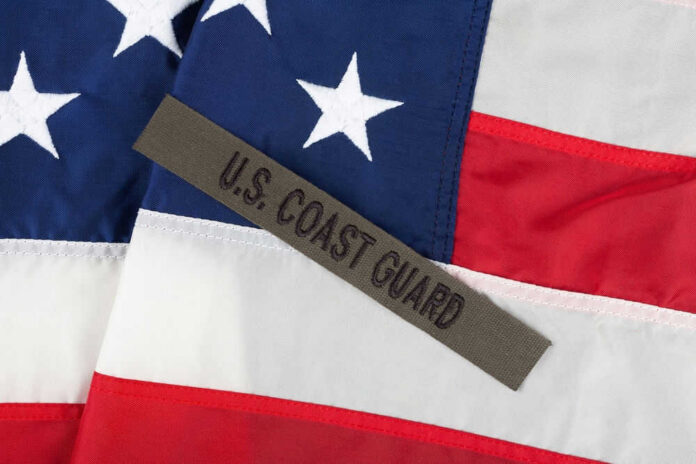
Shots from the Mexican side hit the quiet of the Rio Grande, and Coast Guard crews shot back.
Story Snapshot
- Coast Guard crews reported gunfire from the Mexican side near Garceno, Texas, on Sept. 26.
- Crews returned fire during joint interdiction operations; no injuries or damage were reported.
- Federal authorities treated the clash as operationally serious and began reinforcing the sector.
- The incident remains under investigation as officials review what happened and who fired.
Gunfire On The Rio Grande Near Garceno
U.S. Coast Guard personnel reported incoming gunfire from the Mexican side of the Rio Grande near Garceno, in Starr County, Texas, on September 26. The crews were working a joint interdiction mission with federal partners when the shots came. Coast Guard personnel returned fire. Service officials said there were no injuries to Coast Guard or other personnel. They also reported no damage to Coast Guard boats or gear. The Coast Guard said the circumstances remain under investigation.
Reports across outlets matched on time and place. Each placed the exchange in the same corridor along the river near Garceno and gave the same date. The agency framed the event as a real operational incident, not a rumor, and tied it to joint work with other federal units. That detail matters. It shows unified patrols in a known smuggling zone rather than a lone crew drifting into danger by accident.
Why This Flash Of Violence Drew A Fast Response
Federal leaders moved resources after the shooting. Coverage linked the incident to repositioning hundreds of American troops and equipment toward the Rio Grande Valley. Commanders do not shift people and helicopters on a whim. They react when threats cross a line from nuisance to risk. A burst of cross-border gunfire at uniformed crews meets that test. Officials treated it as a security issue and acted to bolster presence and deter a repeat.
Border gunfire incidents do not sit alone. They plug into a larger struggle over control of river crossings. When armed actors test the line, the United States must show the line holds. That is basic deterrence. Clear rules, strong posture, and quick backup keep patrols safe and smugglers cautious. This is not about bravado. It is about common sense: defend the people doing the job, keep the routes under watch, and make attacks costly for anyone who tries.
What We Know, And What Still Gets Sorted Out
The Coast Guard set a simple timeline: shots came from the Mexican side; Coast Guard crews returned fire; no one on our side was hurt; no gear was hit. Those are the points on the board. The service also said the case remains under review. That is standard after-force protocol. Investigators confirm angles, distances, and who was where. They match radio logs and any sensor data. They check for ties to known smuggling crews in that sector.
🇺🇸🇲🇽 U.S. and Mexican forces have deployed hundreds of troops along the Texas–Tamaulipas border following a reported exchange of gunfire involving U.S. Coast Guard personnel.
The September 26 incident near Garceno, Texas, remains under investigation. Mexico has deployed 500 Army… pic.twitter.com/wstJ2aZK7K
— Scorpion Intel (@scorpion_intel) October 6, 2026
Some outlets framed the shooters as cartel gunmen. The Coast Guard’s public language did not confirm that. That label carries weight and should rest on named evidence. Still, the setting lines up with criminal smuggling terrain on the opposite bank. On prudence, citizens should want commanders to plan as if organized actors were involved while holding public blame to what the facts can carry. That reflects tough-minded caution and respect for truth.
The Stakes On A River That Never Sleeps
The Rio Grande does not pause for debate. Crews patrol at night in tight channels with low banks and fast hides. A few seconds mark the space between warning shots and a tragedy. Policy that respects that reality puts trained people, armored platforms, and clear rules at the point of friction. That is how you protect Americans, hold the line against armed smugglers, and keep lawful trade and travel moving. Strength on the edge protects calm in the heartland.
Sources:
thegatewaypundit.com, foxnews.com, ntd.com, fox7austin.com, pjmedia.com