

A groundbreaking study reveals that ignoring sleep apnea could be silently damaging your brain through dangerous microbleeds that accelerate cognitive decline and dementia risk.
Story Highlights
- New research links moderate to severe sleep apnea to increased brain microbleeds that cause cognitive decline.
- Nearly 1 billion people worldwide suffer from obstructive sleep apnea, most remaining undiagnosed and untreated.
- Brain microbleeds from untreated sleep apnea may accelerate Alzheimer’s disease development in aging adults.
- Harvard expert urges immediate action: treating sleep apnea now could prevent future neurological damage.
Sleep Apnea’s Hidden Brain Damage Revealed
Researchers publishing in JAMA Network Open discovered that moderate to severe obstructive sleep apnea significantly increases the risk of developing new cerebral microbleeds.
These microscopic brain hemorrhages represent areas of bleeding that commonly occur during aging but accelerate stroke risk and cognitive decline. The landmark cohort study is the first large-scale study to directly link sleep apnea severity to incident brain microbleeds in middle-aged adults, expanding understanding beyond previously known cardiovascular risks.
Dr. Rudy Tanzi from Harvard Medical School emphasized the urgency of addressing this condition: “Don’t ignore it. Do something about it. It’s not just the immediate risk for down the road for bleeds, but also later down the road for Alzheimer’s disease as well.”
The study’s observational design prevents establishing direct causality, but the strength of the association concerns neurologists nationwide. Mayo Clinic’s Dr. Jonathan Graff-Radford noted that anything increasing microbleeds directly impacts brain aging processes.
Widespread Underdiagnosis Threatens Public Health
Obstructive sleep apnea affects nearly one billion people globally, yet remains severely underdiagnosed and undertreated across all demographics. The condition involves recurrent airway obstruction during sleep, leading to intermittent oxygen deprivation and sleep fragmentation that can damage brain tissue over time.
Many patients avoid diagnosis due to treatment inconveniences like CPAP machines, while others remain unaware that their snoring represents a serious medical condition requiring immediate intervention.
Healthcare providers face mounting pressure to increase screening efforts as aging populations and dementia awareness intensify focus on sleep disorders and brain health.
Previous research already linked sleep apnea to cardiovascular disease and metabolic syndrome, but these neurological findings add critical urgency to diagnosis and treatment protocols. Sleep specialists report that patient compliance with treatments remains challenging despite growing evidence of long-term health consequences from untreated sleep disorders.
Neurological Consequences Demand Immediate Action
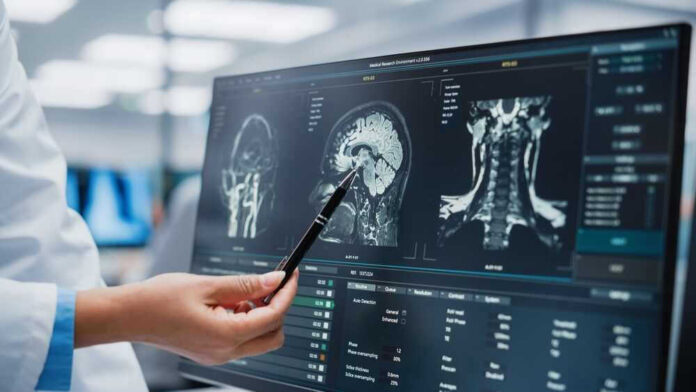
Advanced neuroimaging technology now enables the detection of cerebral microbleeds and white matter hyperintensities that serve as markers of brain aging and vascular injury.
The research demonstrates how sleep disorders directly contribute to neurovascular health deterioration, potentially accelerating dementia development in vulnerable populations. Experts stress that early diagnosis and consistent treatment could prevent irreversible brain damage, though more interventional studies are needed to confirm treatment effectiveness in preventing microbleeds.
Medical device manufacturers, sleep clinics, and neurology practices are experiencing increased demand as awareness of sleep apnea’s neurological risks grows. The findings support arguments for expanded insurance coverage of sleep apnea treatments, potentially reducing long-term healthcare costs associated with stroke and dementia care.
Healthcare systems managing the burden of neurodegenerative diseases recognize that preventing sleep apnea complications could significantly improve future patient outcomes and reduce medical expenses.
Sources:
Maybe You Hate Your CPAP, But Not Treating Sleep Apnea Could Cause Brain Bleeds
Association of Obstructive Sleep Apnea With Incident Cerebral Microbleeds
Sleep Loss and Brain Health Research