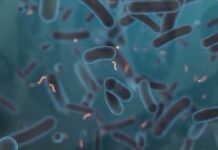


Fructose, a common sugar, may have met its match in the form of inulin-rich vegetables, according to a new study, potentially transforming how we approach dietary health.
Story Highlights
- UC Irvine study reveals inulin fiber’s role in protecting against sugar damage.
- Inulin, found in vegetables like onions and garlic, reshapes gut bacteria.
- Research shows potential to reverse fatty liver disease and improve liver health.
- Findings could lead to new dietary guidelines and treatments for metabolic disorders.
Inulin Fiber: A Guardian Against Sugar’s Harm
Researchers at the University of California, Irvine, have made a groundbreaking discovery about dietary fiber’s protective role against sugar-induced damage. Inulin, a naturally occurring fiber found in vegetables such as onions, garlic, and artichokes, can significantly alter gut bacteria to prevent fructose from reaching the liver.
Lead researcher Cholsoon Jang, PhD, from UCI’s Nutrient Metabolism & Disease Lab, emphasizes that consuming inulin alters gut bacteria to reduce the consumption of harmful dietary fructose, thus offering a new level of protection beyond mere digestion.
The study, published in Nature Metabolism, highlights how gut bacteria in the small intestine can metabolize fructose before it impacts the liver when sufficient fiber is present.
Without enough fiber, fructose overwhelms the liver, causing fat buildup. By feeding gut bacteria with inulin, researchers found that these microbes effectively burn through fructose early, preventing subsequent damage.
This discovery is crucial, considering that even non-obese individuals face hidden risks from high-sugar diets, experiencing liver stress and insulin resistance if their gut microbes aren’t equipped to handle excess fructose.
These common vegetables may protect your body from sugar’s deadly impact https://t.co/k5PoXO1JYa pic.twitter.com/TN3TRAft1R
— New York Post (@nypost) October 12, 2025
Implications for Metabolic Health and Beyond
The findings from the study have far-reaching implications. Once gut bacteria are “primed” by inulin, they can reverse signs of fatty liver disease, reduce fat accumulation, and boost the liver’s natural antioxidants.
Jang argues that this research proves not all calories are alike, as it provides insight into how fiber can protect our health from harmful nutrients like fructose.
These results could lead to personalized nutrition strategies by identifying specific gut bacteria and metabolic pathways involved, potentially guiding the choice of prebiotic or probiotic supplements for better health outcomes.
Future research will explore whether other common fibers beyond inulin can trigger similar protective effects.
If certain fibers can teach gut microbes to neutralize sugar before it harms the liver, it could open the door to new treatments for conditions such as fatty liver disease, diabetes, obesity, and even cancer.
For now, the research underscores the importance of fiber not only in digestion but as a defender of metabolic health, paving the way for new dietary guidelines and treatments that align with traditional values of health and well-being.