
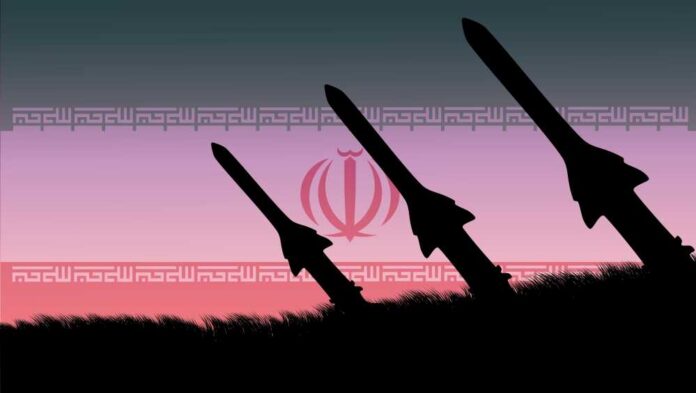
Iran’s missile strikes on Gulf oil and water plants threaten to send gas prices soaring past $5 a gallon, handing America an inflation crisis courtesy of endless Middle East entanglements.
Story Snapshot
- Iran retaliates against U.S.-Israeli strikes by targeting desalination plants and oil facilities in Bahrain, the UAE, and Oman, crippling exports.
- Oil prices surge toward $130 per barrel as the Strait of Hormuz becomes a war zone, forcing shipping reroutes around Africa.
- President Trump pledges U.S. naval escorts and insurance for tankers, protecting American energy interests amid global chaos.
- GCC nations declare force majeure, shutting down refineries and LNG, spotlighting vulnerabilities in foreign oil dependence.
- U.S. shale producers stand to gain as Europe and Asia scramble for alternatives, boosting domestic energy jobs.
Conflict Erupts After U.S.-Israeli Strikes
Joint U.S.-Israeli forces struck Iranian military and nuclear sites on February 28, 2026, prompting swift retaliation. Iran launched missile and drone attacks on March 9, hitting Hidd desalination in Bahrain, Fujairah terminal in UAE, Salalah in Oman, and Bahrain’s Sitra refinery.
These targets paralyze oil exports through the Strait of Hormuz, which carries 20 million barrels daily. GCC nations, reliant on desalination for 90% of water, face reserves lasting mere days. This marks a shift from past conflicts that spared energy assets.
Oil prices are nearing $100 as WTI sits at $99.30 and Brent at $99.29, with the Middle East conflict driving the surge. This could be a dangerous level for the global economy. pic.twitter.com/Tw0LGqoHnT
— Alessandro Bazzoni (@Alessandro7596) March 14, 2026
Trump Steps Up to Secure Energy Flows
President Trump announced on March 3, 2026, that the U.S. will provide insurance and naval escorts for tankers navigating the Strait. Qatar took LNG production offline on March 2 amid initial strikes.
Major shipping lines rerouted around the Cape of Good Hope after Iran declared the area a war zone on March 5. Saudi Aramco closed Ras Tanura following drone interceptions. These actions underscore Trump’s commitment to countering Iranian aggression and safeguarding global supply chains vital to American consumers.
Widespread Shutdowns Grip the Gulf
By March 15, 2026, strikes expanded to refineries in Bahrain, Kuwait, Qatar, Saudi Arabia, and UAE. QatarEnergy and Kuwait’s KPC declared force majeure, halting contracts. Israeli offshore gas fields like Leviathan and Tamar went offline, while Iraq’s Kurdistan fields suspended 200,000 barrels per day.
Shipping insurers refuse coverage, blocking the Strait partially. This unprecedented multi-nation blitz on the water-energy nexus exploits GCC vulnerabilities, differing from limited 2019 Abqaiq attacks or 2021 Houthi strikes on Ras Tanura.
Analysts note Iran’s asymmetric tactics aim for maximum economic leverage. Torbjorn Soltvedt of Verisk Maplecroft warns strikes signal escalation that could draw Saudi Arabia into full war. Antoine Halff of Kayrros predicts Qatar LNG delays lasting weeks for Asia and Europe.
Mathieu Utting of Rystad Energy expects China to pressure Iran, though disruptions hit hardest in winter. Pessimists foresee prolonged blockages fueling inflation; optimists cite OPEC ramps and U.S. escorts.
Oil poised for further gains as Middle East conflict threatens export facilitieshttps://t.co/dYVAyWzsNk
— MikeCaymanTrades (@MikeJTrades) March 15, 2026
Impacts Hit American Wallets and Opportunities
Oil prices exceed $130 per barrel, delivering the largest supply disruption ever and sparking inflation shocks. GCC faces water and energy crises, while Asian and European buyers endure LNG shortages. U.S. exporters benefit from surging demand for shale oil and gas, though unable to fully replace Gulf volumes.
Long-term shifts favor American production, modular desalination, and Saudi’s East-West pipeline. Political risks rise with potential Saudi and U.S. military involvement. Limited data on shutdown durations highlights ongoing uncertainties.
Sources:
Middle East Conflict Targets Regional Desalination and Oil Assets
Middle East Conflicts Largely Avoided Energy Facilities in the Past, Not in This War
Middle East Strikes Trigger Widespread Oil and Gas Shutdowns