

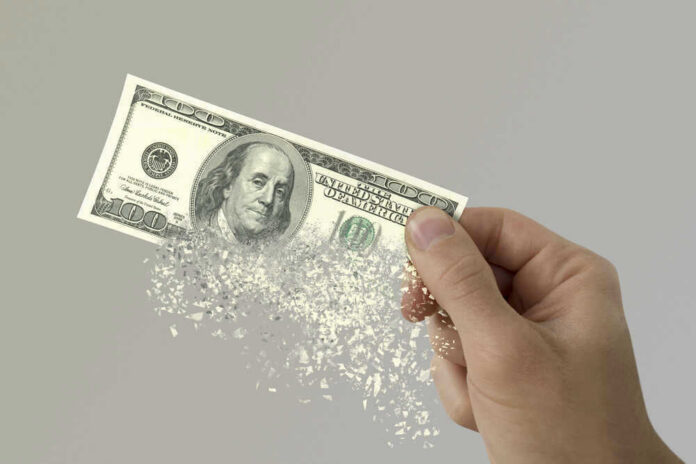
Weight loss drugs are quietly reshaping the American food industry as manufacturers scramble to adapt to consumers who are eating dramatically less—and choosing different foods—threatening billions in revenue across grocery aisles and restaurant chains.
Story Snapshot
- GLP-1 weight loss drug users cut grocery spending by 5.3% and restaurant spending by 8% within six months of starting medication
- Over 16% of American households now have at least one person on GLP-1 drugs like Ozempic or Wegovy, up from 11% in late 2023
- Ultra-processed foods, sugary snacks, and alcohol see steep declines while produce and protein-focused foods gain market share
- Food companies are racing to launch “GLP-1 friendly” product lines and smaller portion sizes as projections show 24 million Americans on these drugs by 2035
A Pharmaceutical Disruption Hits Food Retailers Hard
Cornell University researchers analyzed 150,000 American households and found clear evidence that GLP-1 receptor agonist medications are fundamentally altering consumer behavior.
Within six months of starting medications like Wegovy or Ozempic, households reduced grocery spending by an average of 5.3%, with higher-income families cutting back by 8%.
Restaurant and coffee shop visits dropped approximately 8% as users consumed smaller portions and thought about food less frequently.
These percentages represent significant revenue losses when applied across America’s trillion-dollar food market, forcing industry executives to acknowledge this is no temporary trend.
Winners and Losers Emerge in Category Reshuffling
The impact varies dramatically across food categories. Ultra-processed foods, sweets, and savory snacks have declined approximately 10% among GLP-1 users, while alcohol and soda consumption have plummeted by 66%. Approximately 93% of users report eating smaller meals, creating headaches for manufacturers built around volume sales.
However, some sectors are benefiting—deli departments and produce sections are gaining market share as consumers prioritize protein and whole foods.
Market research firm Circana identifies these shifts as opportunities rather than disasters, noting that GLP-1 users remain high-value customers who simply redirect their spending toward healthier options.
GLP-1 drugs are changing how Americans eat. Food companies are racing to catch up https://t.co/qVVcGUQmwN
— CNBC (@CNBC) March 21, 2026
Food Companies Deploy Strategic Responses
Major food manufacturers are responding with portfolio adjustments and marketing pivots. Conagra Brands began labeling Healthy Choice products as “GLP-1 Friendly” without reformulating recipes to test whether messaging alone would capture this demographic.
UK retailers, including Morrisons, Asda, and Iceland, launched dedicated product lines featuring nutritionally balanced ready meals and ultra-small portions, such as 100-gram steaks.
Food innovation consultancy Mattson reports that major brands are actively consulting on package size reductions, formulation tweaks emphasizing protein and fiber, and marketing strategies targeting medication-aware consumers. Industry experts predict widespread changes as companies balance declining volumes against potential margin improvements from premium positioning.
Long-Term Market Transformation Accelerates
The January 2026 launch of pill-form Wegovy in 70,000 pharmacies marks a critical inflection point, as oral medications typically achieve faster adoption than injectables. Projections show 24 million Americans on GLP-1 drugs by 2035, creating sustained demand for portion-controlled, nutrient-dense products.
However, approximately one-third of users discontinue medication during treatment, reverting to previous eating patterns and purchasing less healthy foods in larger quantities.
This cycling consumer base complicates product development strategies, requiring manufacturers to serve both active users and those who have stopped medication.
The pharmaceutical nature of this shift differs fundamentally from diet trends, suggesting greater durability and predictability for companies willing to adapt.
GLP-1 drugs are changing how Americans eat. Food companies are racing to catch up @CNBC https://t.co/RHcecVqDBw
— Charles Finny (@charles_finny) March 23, 2026
Food industry observers emphasize this represents both risk and opportunity. Companies unable to reformulate quickly or adjust portion sizes face sustained declines in volume in core categories.
Those developing premium health-focused product lines may capture market share while maintaining margins. The regulatory landscape remains uncertain, with potential FDA or FTC scrutiny of “GLP-1 friendly” marketing claims that could alter industry strategies.
As Americans increasingly turn to pharmaceutical solutions for weight management, the food sector confronts a market transformation driven not by consumer preference but by medication-induced appetite suppression—a shift that favors agile manufacturers over those committed to traditional high-volume, ultra-processed product portfolios.
Sources:
New Atlas – Ozempic Food Economy Impact
Food Dive – GLP-1 Food Beverage Industry Predictions
Food Navigator USA – How Will GLP-1s Reshape Food in 2026
Food Navigator – GLP-1 Food Trends What Manufacturers Must Do Next
JP Morgan Insights – Obesity Drugs
Supply Chain Brain – The GLP-1 Effect