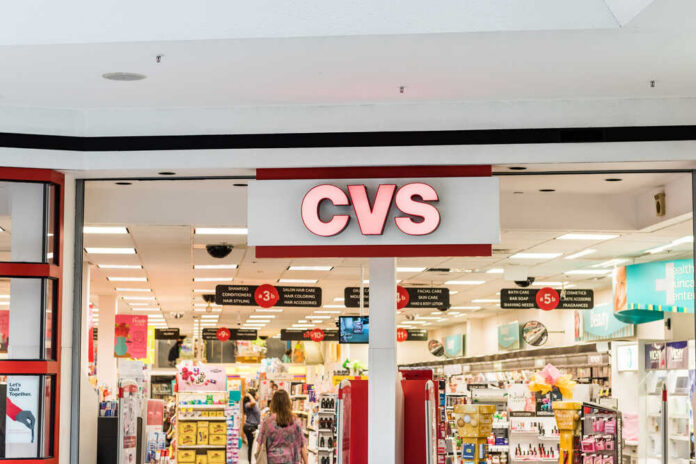
CVS quietly turned your corner drugstore into a full-blown pet pharmacy, and most people have no idea it already happened.
Story Snapshot
- CVS now fills dog and cat prescriptions in-store and by home delivery with a valid vet script
- Pet owners can add animals to their CVS ExtraCare profile and manage meds much like their own
- The move taps a bigger trend: big-box pharmacies chasing rising pet-health spending
- Confusing tech, staff training gaps, and past safety lapses raise fair questions about execution
CVS turns the family drugstore into the family pet’s drugstore
CVS Pharmacy now invites pet owners to bring in a written prescription from their veterinarian or have the clinic send it directly, then fill it at the same counter where they pick up blood pressure pills and statins.
The company’s own pet-medicine page lays out a two-step process: your vet contacts CVS or you bring the script, then you add your pet to your profile for pickup or delivery. That is a clear shift from “human only” to “full household” healthcare.
Dog and cat owners can now fill common pet prescriptions at more than 9,000 CVS Pharmacy locations nationwide. https://t.co/TvzzID7xSd
— ABC News (@ABC) July 21, 2026
The scope is broad. CVS promotes dog and cat medications for heartworm, flea and tick prevention, plus drugs for arthritis, allergies, diabetes, epilepsy, thyroid issues, and more.
In plain terms, most of the routine pharmacy work your vet used to bill at a steep markup can now move to a chain you already use. For cost-conscious, middle-class families who see pets as family but still track every dollar, that is not a small change in leverage.
How the new pet prescription system actually works
CVS keeps the mechanics simple on paper. You start with a valid prescription from a licensed veterinarian. You can walk it into any CVS pharmacy, or ask the vet to fax or call it in, just as they would for a human prescription.
Once CVS receives it, a pharmacist fills the medication, reviews it for safety, and explains how to give it to your pet. Refills can then be managed through the CVS website or the mobile app for many drugs, with options for pickup or home shipping.
The digital side is where it starts to feel like twenty-first-century pet care. CVS tells customers they can sign into their online account, click to manage people, and add their pet with the details from a recent prescription label.
That links the animal’s profile to the owner as “caregiver,” lets them track scripts, and opens the door to delivery. For busy, two-income households, lining up pet meds with human meds in one app reduces friction—and friction is often what kills good health habits.
The promise: convenience, competition, and common sense savings
Pet owners have long complained that veterinarian offices act like closed pharmacies, with markups that reach 100 percent or more over generic prices at chain stores.
For years, general retailers like Walmart, Target, Walgreens, and Kroger have chipped away at that model by adding pet prescriptions to their human pharmacies.
CVS is not inventing this play; it is joining a proven trend to capture shoppers who want one-stop, transparent pricing instead of “mystery bill behind the counter.”
When vets must hand you a script and you are free to shop it around, their monopoly over dispensing starts to crack. Families can compare prices, use discount programs, and decide whether the extra cost at the clinic is worth the convenience.
That pressure does not “attack vets”; it reminds every player in the system that the money belongs to the pet owner, not the middlemen. In a pet-health market where spending keeps climbing, injecting real competition is overdue, not radical.
The catch: execution gaps, safety worries, and trust on the line
The idea is clean; the rollout is messy. A Reddit pharmacy worker describes how customers must ask staff to type a special note on their profile to link a pet via a “caregiving relationship,” then admits many employees “probably don’t know that’s an option and have never done it before.”
Another user reports trouble adding a pet in the app and only succeeding on the desktop site. That is not a system running on rails; that is a system where the motivated few figure it out while others give up.
Real harm can follow confusion. In Virginia, a woman says her service dog died after receiving the wrong medication from a CVS pharmacy, and the company apologized while it investigated the error.
One tragic case does not prove the pet program is unsafe, but it does highlight a simple truth: when a chain stretches from human care into animal care, the margin for sloppy training shrinks to zero. The promise of convenience means nothing if the system cannot defend against basic, preventable mistakes.
Big pharmacy, old controversies, and what pet owners should watch
CVS also carries wider trust baggage into this new niche. In Tennessee, a state audit accused the company’s pharmacy benefit manager arm of “spread pricing,” where it allegedly charged health plans more than it paid pharmacies, fueling calls to split ownership of benefit managers and retail pharmacies.
CVS warns lawmakers that such reforms could force closure of more than a hundred stores. That fight may sound like insider baseball, but it colors how skeptics view any new “service” the company pitches as a favor to families.
So where does that leave the average pet owner? The facts are clear: CVS now fills many pet prescriptions, offers delivery, and lets you manage your animals beside your own profile. The benefits are real if you value convenience and price competition.
But this says do not outsource your judgment. Confirm your local CVS actually handles your pet’s drug, ask pointed questions about dosing, and keep your vet in the loop. Competition is healthy; blind trust in any giant institution is not.
Sources:
abcnews.com, facebook.com, reddit.com, smalldogsheaven.com, wtop.com, sharesmagazine.co.uk, ftc.gov