Rangers recovered remains near Crystal Rapid and the medical examiner confirmed they were Timothy Allen Smith, closing the Grand Canyon flood’s last missing case.
Story Snapshot
- National Park Service rangers recovered human remains near Crystal Rapid on Sept. 14.
- Coconino County Medical Examiner identified the remains as Timothy Allen Smith.
- Smith’s wife publicly confirmed the identification, ending weeks of uncertainty.
- All three victims from the Aug. 29 flash flood are now accounted for.
Recovery Near Crystal Rapid Ends the Search
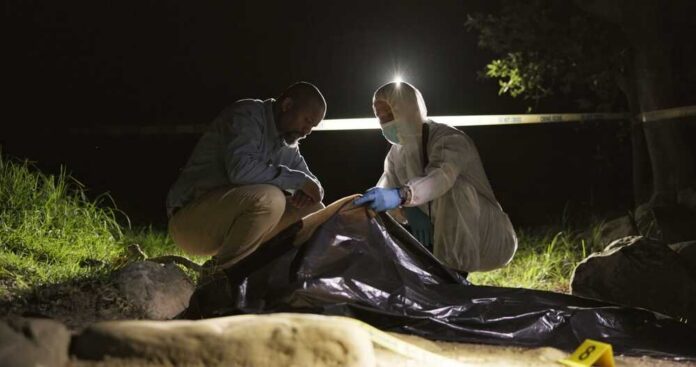
National Park Service rangers responded to a report of human remains near Crystal Rapid on the Colorado River and recovered them on Sept. 14, then transferred them to the Coconino County Medical Examiner in Flagstaff.
The location sits about 10 miles below Phantom Ranch, a corridor hit hard by the Aug. 29 flash flood that tore out bridges and swamped camps. That same flood swept away a three-person hiking group, triggering a wide search by air, river, and foot teams.
The medical examiner confirmed the identity as Timothy Allen Smith, 53, the final missing member of the group. Officials and Smith’s wife shared the news days after the recovery, linking the remains to the late-August disaster. That identification closed the last open file tied to the storm.
Two other members of the party had been found earlier, with authorities naming the men and maintaining efforts to locate Smith amid dangerous terrain and ongoing closures.
From Flash Flood to Final Accounting
The Aug. 29 storm turned side canyons into chutes and the main corridor into a rolling wall of brown water. Early counts listed more than a dozen people as missing or unaccounted for as rangers worked to verify permit records and locate hikers spread across the inner canyon.
Over the following days, teams recovered two bodies and scaled back the list of missing as check-ins came through. One name did not clear: Smith, reported missing by family and friends who tracked the group’s planned route.
Crews faced unstable banks, wrecked trails, and shifting debris. The canyon’s hydrology moved hazards downstream with each pulse of water. Searchers focused on choke points like rapids, bends, and debris fans where floodwaters deposit what they carry. Crystal Rapid fits that pattern.
The find there matches what river runners and rangers know: the Colorado River often returns what the storm steals, but not on a set clock and not in one place.
Human remains found in the Grand Canyon this week were those of the last remaining person missing after the deadly flash flooding in late August, the victim’s wife said Thursday.
Read more: https://t.co/DM6DeO03kz pic.twitter.com/HDV4b5lUP4
— WGN TV News (@WGNNews) September 17, 2026
How Identification Works When Terrain Fights Back
The park service handles recovery and evidence transfer; the county medical examiner handles identification. That split can feel slow, but it protects chain of custody and accuracy. In remote terrain, remains may be fragmented or altered by water, rock, and time.
Identification can require dental records, DNA, or unique medical history. Agencies therefore release basic facts first—where found, when found, where sent—and confirm identity only after the forensic team finishes its work.
REMAINS OF TIMOTHY ALLEN SMITH FOUND AFTER GRAND CANYON FLOODING
The last person who was still missing after the deadly flash flooding in the Grand Canyon has been found. Officials say they have discovered the remains of Timothy Allen Smith this week.
The august flooding killed…— Worldwide News Network (@WorldwideNNX) September 18, 2026
Reporters tracked this sequence in real time. Early stories noted the recovery near Crystal Rapid and said the identity was still unknown. Later updates stated the Coconino County Medical Examiner had confirmed Smith, and his wife posted a public note of thanks and grief.
This brings closure to the family and the search teams who had kept looking as waters fell. With Smith identified, officials said all three flood-related victims are now accounted for.
What This Teaches About Risk and Readiness
Flash floods in desert canyons move faster than most people think. A blue sky overhead does not mean safety; storms many miles away can load a side canyon with a lethal surge. Hikers should check regional forecasts, ask rangers about recent rain, and plan bail-out options.
Groups should carry satellite messengers, agree on turn-around times, and treat slot crossings like river fords—if in doubt, do not enter. Personal prudence plus clear park alerts save lives and spare rescuers high-risk operations.
Sources:
nypost.com, cnn.com, accuweather.com, theguardian.com, rdnewsnow.com, cowboystatedaily.com, wral.com, bbc.com, newsweek.com, azcentral.com