
The Federal Reserve just raised interest rates for the first time in three years, betting that higher borrowing costs will finally tame inflation that has refused to fade.
Quick Take
- The Federal Open Market Committee (FOMC) raised its key rate by a quarter point to a range of 3.75% to 4.00% on September 16, 2026.
- All twelve voting members backed the hike, showing full agreement across the board.
- The Fed said inflation remains too high and this move should speed up a return to its 2% target.
- Officials hinted one more rate hike could come later this year.
The Fed Pulls The Trigger After Years On Hold
The Fed had not raised rates since July 2023. That changed this month when the FOMC voted to lift the federal funds rate a quarter point, landing in a new range of 3.75% to 4.00%.
The move ends a long stretch of the Fed either holding steady or cutting, and it signals officials now see inflation as the bigger threat to manage than a slowing economy.
The vote was not close. Every single member of the committee, twelve in total, backed the increase. A unanimous vote matters.
It tells markets and everyday Americans that Fed leaders, despite their different backgrounds and past disagreements, all saw the same warning signs in the inflation data and agreed on what to do about it.
Fed led by Trump-picked chair raises rate despite Trump’s calls to lower them https://t.co/VVJQ3Mz2Cs
— TIME (@TIME) September 17, 2026
Why Officials Say Prices Are Still The Problem
The Fed’s own statement did not mince words. It said inflation remains elevated and that the rate hike would support a timelier return to the Committee’s 2 percent goal.
That is central-bank language for admitting prices have stayed stubbornly high for too long, and waiting any longer risked letting the problem get worse instead of better.
Importantly, the Fed did not describe the economy as falling apart. Officials pointed to solid consumer spending, strong productivity, healthy business investment, and job growth keeping pace with the workforce.
That framing matters because it turns this hike into a calculated, forward-looking move rather than a panic response to a crisis. The Fed acted from a position of relative economic strength, not weakness.
More Hikes May Be Coming Before Year’s End
Officials also released updated projections showing the median expected rate climbing to 4.1% by the end of 2026, suggesting at least one more increase is likely on the table.
That is a signal to households and businesses alike: do not expect a quick pivot back to cheap borrowing. The Fed is preparing the public for a tighter-for-longer stretch if inflation does not cooperate.
What Higher Rates Mean For Your Wallet
A quarter-point hike sounds small, but it ripples through mortgages, car loans, and credit card bills almost immediately. Anyone carrying variable-rate debt will likely see costs creep up in the coming week.
Savers, on the other hand, may finally see slightly better returns on savings accounts and certificates of deposit, a rare silver lining for people who have watched their cash lose value to inflation for years.
A Move That Cuts Against Political Pressure
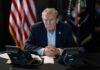
This decision landed even as President Trump has repeatedly pushed for lower rates to boost growth. The Fed’s choice to move the opposite direction underscores its independence from the White House, a structure built specifically so monetary policy decisions rest on economic data rather than political convenience.
Whether one agrees with the hike or not, that independence is a feature of the system worth respecting, not a flaw.
History offers a mixed verdict on rate hikes like this one. Researchers who studied sixteen past tightening episodes across multiple countries found that a clean, painless drop in inflation without a slowdown has essentially never happened before.
That does not mean this hike is wrong. It does mean Americans should watch the coming months closely, since the tradeoff between taming prices and slowing growth is real and well documented.
5 AM Top-of-the-Hour News
The federal reserve has raised interest rates by a quarter of a percent for the first time in three years.
Fed Chair Kevin Warsh said the hike was necessary in order to get inflation closer to the central bank's target of 2 percent. President Trump has… pic.twitter.com/DjZhxSyU47— Worldwide News Network (@WorldwideNNX) September 17, 2026
For now, the Fed has made its bet clear. Inflation gets the priority, growth takes a back seat, and borrowers should brace for costs that stay elevated a while longer. The next data releases on prices and jobs will decide whether this quarter-point move was the right call or the first step in a longer, tougher fight.
Sources:
feedpress.me, federalreserve.gov, kiplinger.com