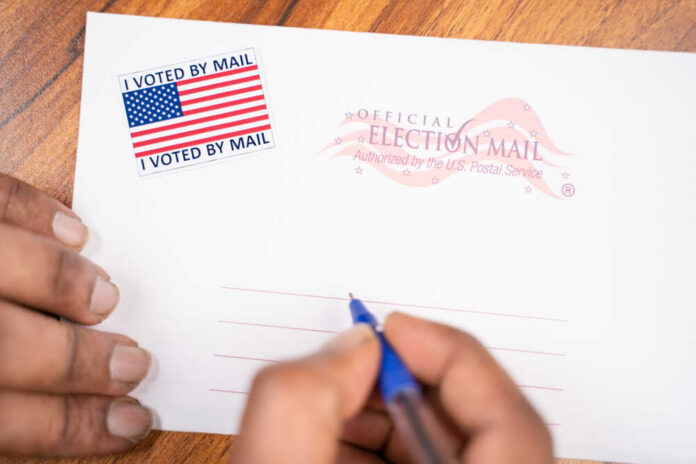
The Supreme Court kept mail voting rules in place for 2026, stopping last-minute federal changes cold.
At a Glance
- The Supreme Court rejected new federal mail-ballot limits before the midterms.
- States can continue using their long-standing mail ballot systems this year.
- The administration sought to change Postal Service handling and voter lists.
- The Court acted while ballots were already going out to voters.
What The Court Decided And Why It Matters Now
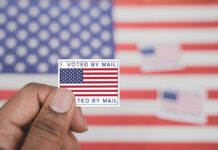
The Supreme Court declined to allow new federal mail ballot restrictions to take effect before the midterm elections. The order means states can count ballots under rules they have used for years, including timelines for receiving and processing ballots set by state law.
The Court did not issue a full opinion on the legality of the policy. It instead kept the status quo for 2026, avoiding a nationwide change as election offices move millions of pieces of mail.
Ballots were already being mailed when the justices acted, so the practical effect is immediate. State and local officials avoid changing envelopes, barcodes, and sorting instructions midstream.
Voters do not face new, last-minute hurdles about who can receive a ballot or how the Postal Service should deliver it. This is the kind of disruption courts often try to avoid close to an election, to prevent confusion and reduce the risk of discarded votes.
What The Administration Tried To Change
The policy push centered on an executive order and related Postal Service steps. Reports described a plan to build a federal list of eligible voters and require the Postal Service to deliver ballots only to people on that list, along with tighter mail-in voting rules before November.
Those changes would have shifted long-set routines between election offices and postal workers. Several states sued, and a Massachusetts judge first blocked parts of the plan in a ruling that covered many states.
The legal fight moved through quick rounds. The administration asked the Supreme Court in late July to step in. On August 24, the justices lifted one injunction in a limited way, which some read as a temporary win for the administration.
Days later, an appeals court declined to let the Postal Service rule proceed. By mid-September, the Supreme Court rejected the broader bid to impose new national limits before the midterms.
Supreme Court rejects Trump mail ballot restrictions for now ahead of midterms https://t.co/XotuBWr4Jv
— New York Daily News (@NYDailyNews) September 15, 2026
How The Ruling Fits The Pattern Of Pre-Election Court Fights
Courts often weigh stability over speed when rules shift close to voting. Judges look at who has standing to sue, whether a case is ripe, and the risk of confusion if rules change late. That pattern showed up again here.
The final pre-election posture leaves state control intact and avoids a federal overhaul of ballot delivery procedures while ballots are en route. The Court’s order for 2026 is not a final ruling on the merits, but it locks in the practical ground game until after votes are counted.
Election offices build their calendars months ahead. Printers schedule runs. Postal facilities set sort plans. A sudden command to gate ballots against a new federal list would have forced retraining and recoding during peak volume.
What Changes For Voters, States, And The Postal Service
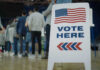
For voters, nothing new applies this year from the blocked policy. Check your state’s deadlines and return options. If your state counts ballots that arrive after Election Day when they are mailed on time, that practice continues under state law unless a separate ruling says otherwise.
For states, the ruling removes the urgent risk of retooling ballot mail streams. For the Postal Service, normal ballot protocols remain the guide for 2026 operations.
Campaigns and parties will adjust their turnout math. When rules do not change, planning gets easier. Advocates for tighter mail voting will likely press their case again after the cycle. Voting rights groups will point to the Court’s choice as a win for voters who rely on the mail.
The key lesson endures: late legal shocks make bad election policy. If leaders want major changes, they need to do the hard work early, in daylight, with time for states to implement cleanly.
Sources:
pbs.org, aljazeera.com, reuters.com, apnews.com, nbcnews.com