
Cracker Barrel’s attempt to “modernize” its homespun brand just cost its chief executive her job.
Story Snapshot
- Cracker Barrel CEO Julie Masino will step down as chief executive and board member on August 10.
- Her exit follows a fierce backlash to a 2025 rebrand that stripped away the chain’s classic Americana look.
- Shareholders kept her in place last year but forced a course correction and sent other leaders packing.
- Veteran restaurant executive David Deno will take over as CEO, with Masino staying briefly as an adviser.
How a modernization push ended with the CEO stepping down
Cracker Barrel announced that Julie Masino will step down as chief executive officer and as a member of the board on August 10 after less than three years in the top job.
The company said she will remain in an advisory role until October 9 to help with the transition to incoming CEO David Deno, a longtime restaurant leader who previously ran Bloomin’ Brands, parent of Outback Steakhouse.
Official statements frame the change as the result of a planned succession process, but the timing comes almost exactly one year after a rebrand fight that badly damaged the business and the trust of many loyal customers.
NEW: Cracker Barrel CEO Julie Felss Masino is stepping down following the company's controversial rebrand last year that sparked fierce backlash from longtime customers.
The effort to modernize the chain included removing the iconic Uncle Herschel mascot and redesigning… pic.twitter.com/gE1U5HboJx
— FOX Business (@FoxBusiness) July 27, 2026
Masino was hired in 2023 with a clear mission: refresh an aging roadside brand and attract younger diners without losing the folksy charm that made Cracker Barrel famous.
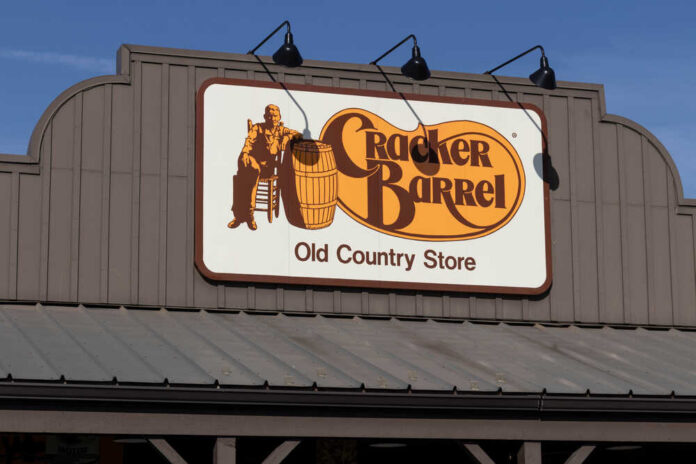
Her team launched a sweeping modernization plan in 2025, anchored by a new logo that dropped the beloved “Old Timer” character and the words “Old Country Store,” plus store remodels that pulled antique items off the walls and simplified the look of dining rooms.
Management sold this as a needed update for a changing marketplace and a better guest experience, the kind of move chain restaurants make all the time when they chase new growth.
The rebrand that collided with customer identity and conservative anger
Customers saw something very different from a fresh coat of paint. Many longtime fans described the logo and decor changes as a gut punch to the brand’s identity, saying Cracker Barrel was scrubbing away the small-town, country-store feel they came for.
Social media lit up with complaints and mockery, and conservative commentators accused the company of pushing a “woke” agenda under the cover of design, arguing the chain was trading tradition for trend politics instead of simply fixing food or service.
President Trump joined the criticism, turning a logo change into a political flashpoint and putting Cracker Barrel squarely in the culture-war spotlight.
Investors felt the pain as well. Reporting on the episode has tied the rebrand and remodeling push to a sharp hit in market value, with one major shareholder estimating hundreds of millions of dollars in lost capitalization after the logo rollout and ensuing outrage. Traffic and sales slipped, and the company moved quickly to reverse course, restoring the old logo and dialing back the minimalist store designs.
This looked like a classic case of corporate elites ignoring the actual customers who pay the bills—the people who liked Cracker Barrel precisely because it did not look like every other polished chain on the highway.
Shareholder revolt, “fired by America,” and the limits of apology
Activist investor Sardar Biglari, who owns a meaningful stake through Biglari Holdings, launched a public campaign to oust Masino and board member Gilbert Davila, who helped steer the advertising strategy behind the rebrand.
In a high-profile November 2025 vote, shareholders narrowly kept Masino as CEO but pushed Davila off the board, sending a sharp message that the modernization gamble had gone too far.
Cracker Barrel also shrank its board and walked away from the most aggressive parts of the redesign, signaling that the market valued stability and tradition over experimental branding at this stage.
Masino tried to calm the storm by explaining her intent and owning the misstep. On Glenn Beck’s program, she insisted the rebrand was not about ideology and said she never meant to redesign the entire restaurant, only to “help people love this brand” more.
She admitted the company underestimated how much customers valued the nostalgic, cluttered style and said she felt “fired by America” even though shareholders voted to keep her.
That phrase captured the bigger lesson: once regular people think a company has turned its back on who they are, a press release and a partial rollback may not be enough to fully repair the relationship.
What Masino’s exit signals for Cracker Barrel’s future
The company’s announcement does not blame the rebrand for Masino’s exit, but the sequence is hard to ignore. First came the logo and remodel rollout, then the public apology and reversal, then a contentious shareholder vote, and now a leadership change framed as a normal succession.
The arc reinforces a simple rule: brands built on heartland culture and family tradition cannot treat those roots like disposable assets. When they do, both customers and investors still have tools to push back.
The CEO of Cracker Barrel, Julie Masino, is stepping down after the company’s DISASTROUS woke rebrand that faced MASSIVE backlash.
Fox & Friends: “David Deno is expected to take over next month. He previously served as CEO of Bloomin’ Brands, which does own Outback Steakhouse.” pic.twitter.com/gMEk8kqIGw
— RedWave Press (@RedWavePress) July 28, 2026
Incoming CEO David Deno now has to walk a narrow path. The chain still needs younger guests, stronger traffic, and fresh ideas in a tough casual-dining market. Yet every move that touches the look, feel, or story of Cracker Barrel will face extra scrutiny from people who just fought off one redesign.
The smart play for Deno is not to freeze the brand in amber, but to build changes on the things core customers already love: a sense of place, recognizable comfort food, and an atmosphere that feels like the America many believe is being pushed aside. If he can do that, Masino’s turbulent tenure may become the cautionary tale that saves the company from repeating the same mistake.
Sources:
thegatewaypundit.com, theglobeandmail.com, abcnews.com, finance.yahoo.com, foxbusiness.com, wsj.com, people.com, newsweek.com, tennessean.com, marketwatch.com, independent.co.uk