
One parasite in a salad bowl just forced America’s biggest food supplier to slam the brakes on Mexican lettuce.
Story Snapshot
- Sysco, the nation’s largest food distributor, stopped buying iceberg lettuce grown in Mexico after a parasite outbreak tied to two deaths in Michigan.
- Federal investigators linked the multistate cyclosporiasis outbreak to iceberg lettuce from Taylor Farms operations in central Mexico, including lettuce served at Taco Bell.
- Taylor Farms voluntarily recalled iceberg lettuce from central Mexico, triggering pulls at Walmart, restaurants, and major distributors.
- Health officials still have no confirmed positive product test, underscoring how recalls often rest on strong but incomplete evidence.
How a quiet parasite turned iceberg lettuce into a national risk
Federal health agencies say a summer outbreak of cyclosporiasis, a parasitic intestinal illness, has become one of the largest foodborne events in recent U.S. history.
Investigators with the Food and Drug Administration and the Centers for Disease Control and Prevention traced a major cluster of cases to shredded iceberg lettuce served at Taco Bell restaurants and sourced from Taylor Farms operations in central Mexico. That traceback is the backbone for the sweeping recalls and business decisions that followed.
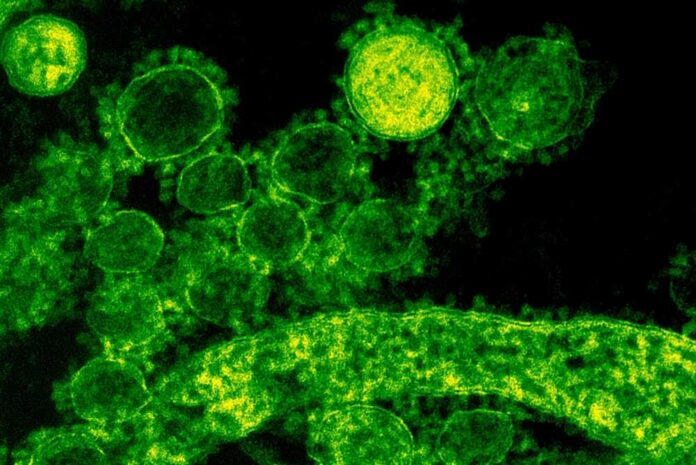
The parasite, Cyclospora, does not spread like a typical bacterium and is hard to test for quickly, which makes finding a smoking gun in the food supply rare. Instead, investigators leaned on interviews with sick patients, restaurant purchase records, and distribution data.
Michigan, the hardest-hit state, reported thousands of cases and said leafy lettuce was the leading suspected source based on more than 1,000 patient interviews. That pattern pointed again and again to iceberg lettuce coming from central Mexico.
Sysco’s decision: cut off Mexican lettuce, keep America’s kitchens running
Sysco is the company behind the menus at countless hospitals, ballparks, school cafeterias, and local diners. When a product in that pipeline looks dangerous, the stakes reach far beyond one fast-food chain.
Sysco CEO Kevin Hourican said the company halted sales and distribution of Taylor Farms iceberg lettuce from Mexico in mid-July and joined the voluntary recall of affected product. By early August, Sysco had gone further, stopping purchases of iceberg lettuce from Mexico altogether.
America’s biggest parasite outbreak forces food giant to ditch Mexican lettuce https://t.co/jK2FlS5fWc
— The Right News, Right Now. (@BradPorcellato) August 5, 2026
Hourican was blunt about the move. “We’re not buying iceberg lettuce from them, and we’re not buying it from Mexico,” he told Reuters. Sysco is now sourcing iceberg lettuce from growers in the United States and working to diversify suppliers to avoid heavy reliance on any single region.
Recall dominoes: from Mexican fields to Walmart shelves and Taco Bell lines
Taylor Farms de Mexico, one of the largest producers of salad greens, issued a voluntary recall of all iceberg lettuce sourced from central Mexico after health officials identified a farm in that region as a potential source.
The recalled products went to Walmart and major food-service distributors, including Sysco, across at least 27 states between June 29 and July 16.
That meant iceberg salad bags and shredded lettuce under Walmart’s Marketside brand came off shelves “out of an abundance of caution,” even before any illnesses tied specifically to those bags were confirmed.
Taco Bell restaurants in multiple states had already pulled lettuce and related fresh ingredients as the investigation focused on their supply chain. Signs at Detroit-area locations told customers they could not buy lettuce, cilantro, onions, pico de gallo, or guacamole due to a nationwide recall.
Meanwhile, other chains like Wendy’s and Chipotle publicly said they were not affected, signaling how differently placed supply contracts can shield some brands while putting others directly in the line of fire.
Two deaths, thousands sick, and the evidence gap that should make us uneasy
Michigan health officials reported that two residents died in connection with the outbreak, which has sickened more than 11,000 people in that state alone.
Symptoms ranged from severe diarrhea and abdominal cramping to fatigue and significant weight loss. For families, this is not a distant policy debate; it is a reminder that a cheap side salad can carry serious danger when oversight fails anywhere between the field and the plate.
Sysco, the nation's largest food distributor, will stop buying iceberg lettuce from Mexico as federal health officials investigate a multistate cyclosporiasis outbreak linked to the product, the company's CEO said Tuesday. https://t.co/llIeHRhVtW
— FOX 5 DC (@fox5dc) August 5, 2026
Here is the uncomfortable twist: the Food and Drug Administration acknowledges there were no confirmed positive product samples for Cyclospora tied to this outbreak at the time of key public updates.
One high-profile test that initially appeared positive for the parasite in Taylor Farms lettuce was later declared a false positive. Yet the agency kept its traceback conclusion and told Americans the epidemiology still pointed squarely at shredded iceberg lettuce from central Mexico.
What this reveals about food safety, government, and caution
This pattern highlights a tension at the heart of modern food safety. Public-health agencies act on converging clues instead of courtroom-level proof because waiting for perfect evidence can cost lives.
Businesses like Sysco face a similar calculus: protect customers and their own reputation by cutting off risky suppliers, even when laboratory confirmation is missing.
The problem is transparency lags. The detailed traceback memos, farm inspection notes, and full lab histories are not public, which leaves everyday shoppers depending on brief agency statements and headline summaries. That gap makes it easier for a narrative to harden—“Mexican lettuce killed people”—without a complete evidentiary record to test.
When two deaths, thousands of illnesses, and international supply chains collide, the lesson for the reader is simple: trust but verify, and remember that every recall notice carries both real risk and real uncertainty.
Sources:
foxbusiness.com, fda.gov, taylorfarms.com, usatoday.com, straitstimes.com, npr.org, theepochtimes.com, reuters.com, msn.com, seekingalpha.com, marketscreener.com