
President Trump ordered the federal government to call artificial intelligence “super intelligence,” and Washington moved fast to make it real policy.
Story Snapshot
- Trump signed an order directing agencies to use “super intelligence” in place of AI.
- He told the United Nations the change applies to “all United States documents”.
- State Department leaders instructed diplomats to adopt the new term at once.
- Tech chiefs signed a separate industry accord on safety and innovation the same week.
What Trump Ordered And How It Lands In Government
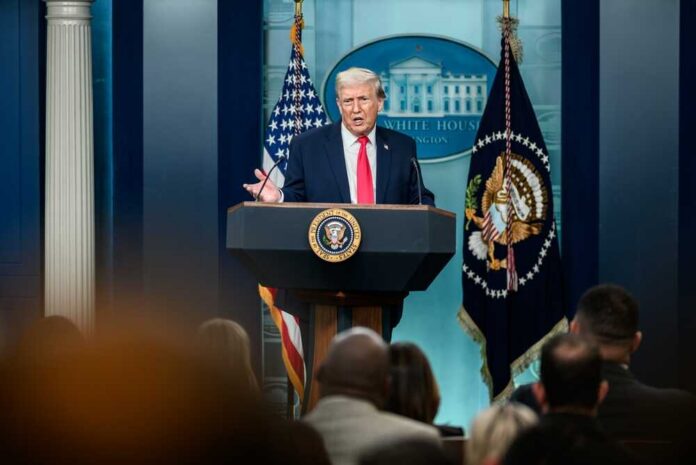
President Trump said the government will replace “artificial intelligence” with “super intelligence” in all official documents and communications.
He made the declaration around the United Nations General Assembly and tied it to a push for innovation with fewer roadblocks.
Reporting says an executive order signed on September 29 directs agencies to use the new term on websites, reports, and policy papers. The move sets a naming standard across the executive branch and signals a branding shift with policy goals attached.
The State Department acted first. A deputy assistant secretary told staff to swap “artificial intelligence” for “super intelligence” and to use “SI” across remarks, positions, and press guidance.
That message shows the rename is not just talk; it is moving through working guidance to frontline diplomats. Quick adoption inside a cabinet agency matters because language choices cascade into cables, treaties, and talking points that shape how allies and rivals hear U.S. policy.
Why The Name Change, And Why Now
Trump argued “artificial” sounds fake, while “super” captures power and promise. He linked the rename to an optimistic stance on growth and less red tape.
He also paired it with a showpiece: a new government search site he cast as an example of what “super intelligence” can do, though public details on the tool remain light in current reports.
The timing aligned with a high-profile week in Washington where technology leaders joined him to discuss safety, competition, and national leadership.
BREAKING: President Trump says that he and tech leaders have officially changed the name of AI to 'Super Intelligence.' pic.twitter.com/MkuWluXqEu
— Fox News (@FoxNews) September 29, 2026
The same week, major tech chiefs, including leaders from leading model labs and chip makers, signed a White House accord on safety and transparency practices.
Reports described it as a “self-policing” pact that aims to show responsibility while keeping government rules from choking momentum.
The accord and the rename serve a shared aim: set terms and tone before Congress or global bodies define the field for them.
The Friction Point: “Superintelligence” Already Meant Something Else
Experts and trade coverage noted that “superintelligence” is a term of art in research circles. It refers to systems that exceed humans across most tasks, a level not reached today. That makes the administration’s choice unusual, since it repurposes a loaded word for everyday use.
The mismatch could confuse public debate and policy analysis, since many researchers use the word to flag extreme risk scenarios, not routine software. Still, Washington has often won naming fights by sheer repetition and style guidance.
A short caveat appears in some reporting: one outlet said it did not yet see the formal government-wide mandate at the time of its piece, even as other reports cited a signed order and visible agency guidance.
That said, Trump’s on-record direction, Politico’s order summary, and State Department instructions all point in the same direction: federal language is changing now. If agencies follow, the rename will show up in budgets, solicitations, and international statements, which makes it sticky.
What Changes Next For Policy, Industry, And The Public
Agencies will update style guides, procurement templates, and webpages. Contractors will match the new term in bids and product sheets. Diplomats will say “super intelligence” in multilateral talks, seeding the phrase into foreign communiqués.
Reporters will adopt the label in coverage of government actions, even if industry keeps “AI.” That two-track language could persist for a while, like “Obamacare” and the Affordable Care Act. Over time, search engines and databases will treat “super intelligence” as a core tag, which will reinforce usage.
The industry accord adds a second rail. Companies gain credit for safety norms while defending speed and openness to scale. That mix can boost American competitiveness versus rivals that lean on heavy state control.
The endgame is simple but high stakes: own the words, own the frame, and, often, you own the future budget lines and the standard-setting tables where real power sits.
Sources:
townhall.com, cnbc.com, bbc.com, afp.com, cnet.com