
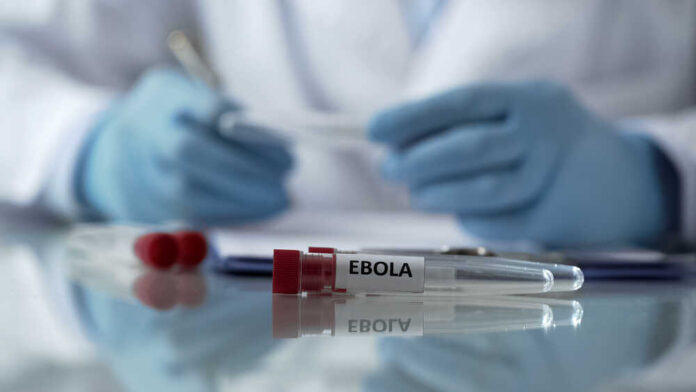
Kenya confirmed its first imported Ebola Bundibugyo case, and the patient died soon after reaching Nairobi.
Story Snapshot
- Health officials confirmed the diagnosis in two separate laboratories.
- The patient was a Kenyan citizen who had lived in the Democratic Republic of the Congo.
- He traveled from the Democratic Republic of the Congo through Uganda to Kenya, then died in Nairobi.
- Kenya says it heightened Ebola surveillance before this case and remains on high alert.
Kenya’s First Imported Ebola Bundibugyo Case, Confirmed and Fatal
Kenya’s Ministry of Health confirmed the country’s first Ebola Bundibugyo case and said the patient died shortly after arriving in Nairobi. Officials identified the patient as a Kenyan citizen who had lived in the Democratic Republic of the Congo for seven years. The government reported that testing at the National Virology Reference Laboratory and the Kenya Medical Research Institute both returned positive results for Ebola Bundibugyo virus disease. This double confirmation anchors the case as an imported infection.
Authorities said the man traveled from the Democratic Republic of the Congo through Uganda before entering Kenya. Reports align that he reached Nairobi and then died within days. The Health Cabinet Secretary said the patient had fallen ill about a month earlier and sought treatment at several facilities in the Democratic Republic of the Congo. That timeline suggests he was symptomatic before crossing borders, which heightens the urgency of contact tracing across the route.
What Officials Say Happened at the Airport and After
Kenyan officials said the traveler passed routine public health screening at Nairobi’s main airport. A family member then took him to a hospital, where his condition worsened and he died. Routine screening can catch fevers and obvious symptoms, but it does not replace clinical evaluation and testing. That is why Kenya’s lab confirmation matters: it moves the case from suspicion to certainty and triggers formal response steps under the country’s outbreak playbook.
The Ministry of Health said Kenya had already stepped up Ebola readiness after the regional Bundibugyo outbreak. The country emphasized surveillance at borders and health facilities since May 2026, when cases surged in the Democratic Republic of the Congo and spread to Uganda. Early detection and swift isolation are the key levers to stop secondary spread. Kenya’s alert status and lab capacity are the tools built for that job.
Why This Fits a Known Cross-Border Pattern
World Health Organization updates describe a clear pattern: Ebola Bundibugyo outbreaks in the Democratic Republic of the Congo often spill across borders into Uganda, and sometimes beyond. These moves happen through normal travel, trade, and family ties. Public health systems usually detect importations after arrival, then race to trace contacts and break transmission. That is the test Kenya faces now. Detection was fast; the next step is to ensure no secondary chains form.
The Bundibugyo strain adds urgency because it lacks an approved vaccine or treatment. Care focuses on supportive medicine and strict infection control. This puts more weight on basics that work: isolate suspected cases, equip health workers, and track contacts tightly for 21 days. These steps are not flashy, but they save lives and cut spread. Countries that do them well turn a single imported case into a dead end for the virus.
What Matters Next: Containment, Clarity, and Calm
Kenya’s statement points to intensified surveillance and response measures. The crucial tasks now include identifying all close contacts, monitoring them, and reinforcing infection control in hospitals. Clear, steady communication also matters. People need simple rules that help, not fear that paralyzes. Wash hands, seek care early for fever and weakness, and follow hospital guidance. These basics align with common sense and protect families while responders do the hard tracing work.
NCDC HEIGHTENS VIGILANCE FOLLOWING CONFIRMATION OF IMPORTED EBOLA CASE IN KENYA
On 6th October 2026, the Government of Kenya confirmed an imported case of Ebola disease caused by Bundibugyo virus, linked to the ongoing outbreak in the Democratic Republic of Congo (DRC).
✅ As… pic.twitter.com/RwS499eTgn
— NCDC (@NCDCgov) October 6, 2026
Some outlets differ on the traveler’s exact route, but the core facts stand: Kenya confirmed the case in two labs, tied it to travel from the Democratic Republic of the Congo, and reported the death soon after arrival. That is enough to drive action. The regional record shows that fast moves now can prevent wider spread. The public’s role is simple but powerful—stay alert, respect health guidance, and let the professionals contain the threat.
Sources:
bbc.com, bbc.co.uk, chinadailyasia.com, health.go.ke, kenyanews.go.ke, who.int