
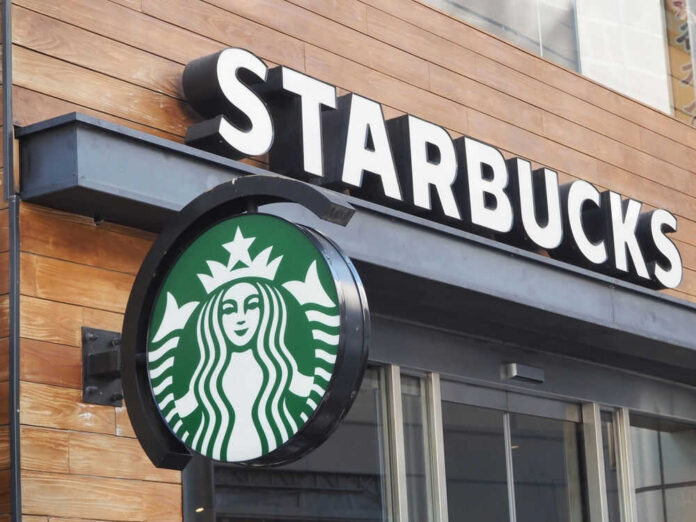
Three Starbucks customers say the coffee giant’s “sugar-free” protein drinks come loaded with up to 21 grams of sugar per cup.
Quick Take
- Three consumers filed a proposed class action against Starbucks on October 2, 2026, in federal court in Seattle.
- The suit names eight protein drinks, including sugar-free vanilla and caramel lattes and matchas, hot and iced.
- Plaintiffs say the drinks hold 13 to 21 grams of sugar per venti cup, mostly from lactose in milk.
- Starbucks says it adds no sugar and calls the lawsuit meritless, pointing to its “no added sugar” labeling.
What The Lawsuit Actually Claims
The complaint, filed in the U.S. District Court for the Western District of Washington, accuses Starbucks of slapping “sugar-free” on drinks that are anything but. Named plaintiffs Michael Walsh, Anne Legnini, and Elna Potter, hailing from Washington, California, and New York, say they bought these beverages trusting the label. Their lawyers at Hagens Berman argue that trust was misplaced, and they want damages and a court order to fix it.
Eight drinks sit at the center of this fight: Sugar-Free Vanilla Protein Latte, Sugar-Free Caramel Protein Latte, Sugar-Free Vanilla Protein Matcha, Sugar-Free Caramel Protein Matcha, and their iced twins. The lawsuit leans on a federal rule that bars the “sugar-free” label on any beverage carrying more than half a gram of sugar per 12-ounce serving. Plaintiffs say these drinks blow way past that line, some by more than 40 times over.
Where The Sugar Allegedly Comes From
Here is the twist that makes this case interesting. Nobody claims Starbucks dumped syrup or cane sugar into these cups. The complaint says the sugar comes from lactose, a natural sugar found in milk, specifically the “protein-boosted milk” used to pump up these drinks. That detail turns this from a simple “they lied” story into a genuine fight over what “sugar-free” is supposed to mean on a federally regulated label.
Starbucks does not deny the sugar exists. The company says plainly that the sugar comes from milk, not from anything added during preparation. That is a meaningful concession, and it narrows the real dispute. This case may turn less on whether sugar is present and more on whether lactose from milk should count the same way as spoonfuls of table sugar under federal labeling rules.
Starbucks Pushes Back Hard
Starbucks is not playing defense quietly. A company spokesperson said the claims “have no merit” and that Starbucks will “vigorously defend” itself. The company points out these drinks sit under a menu category literally called “No Added Sugar Options,” arguing it never promised zero sugar, just zero added sugar. That is a real distinction, and one plenty of health-conscious shoppers might actually understand once it is spelled out.
Starbucks also insists it has been upfront all along, saying it has “consistently and clearly provided information” about these drinks across its menus, app, website, and marketing. Whether that defense holds up may depend on how an ordinary customer, scanning a menu board for a quick protein fix, reasonably reads the words “sugar-free” printed right there in the drink’s name.
Why This Fight Matters Beyond One Coffee Chain
This case fits a bigger pattern. Food companies keep getting sued over the gap between marketing language and federal nutrition rules, especially as protein and low-sugar products flood store shelves and menus nationwide. Consumers over 40, many managing blood sugar or weight, rely on labels like “sugar-free” to make fast decisions. When that word turns out to carry fine print, trust takes a hit, regardless of which side wins in court.
A proposed class-action lawsuit accuses Starbucks of labeling eight protein drinks as "sugar-free" despite allegedly having up to 21 grams of sugar. https://t.co/FcvNEdxjdW
— Recordnet (@Recordnet) October 7, 2026
For now, this remains an allegation, not a proven fact, and Starbucks has every right to contest it in court. But the underlying tension, naturally occurring sugar versus added sugar versus what a word like “sugar-free” actually promises a paying customer, is not going away. Expect this case to shape how coffee shops and food brands label their next wave of health-focused products.
Sources:
foxbusiness.com, people.com, reuters.com, abcnews.com, usatoday.com, lawcommentary.com, law360.com, wsj.com