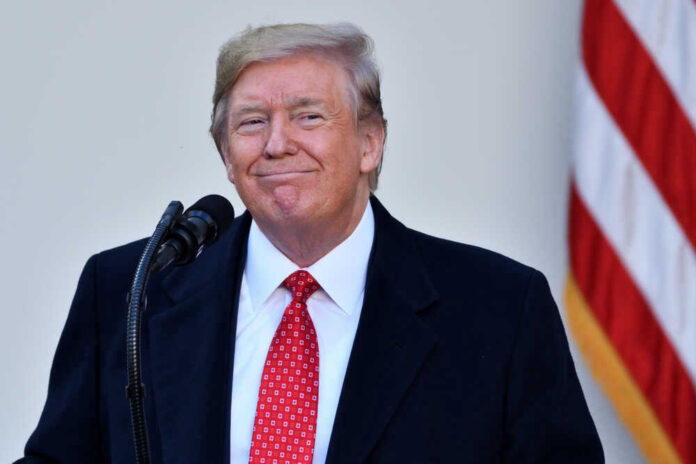
President Donald Trump’s bold federalization of Washington, D.C.’s police department has triggered a historic drop in crime, reigniting the national debate over local control and federal power.
Story Snapshot
- Major crime rates in D.C. plunged after Trump deployed the National Guard and took direct control of law enforcement.
- Federal intervention marks a dramatic shift from years of rising crime under local governance.
- Political tensions escalate between federal and local leaders over data accuracy and community impact.
- Experts caution that declines mirror broader national trends, raising questions about long-term outcomes.
Dramatic Crime Decline Follows Federal Intervention
President Trump announced the federalization of Washington, D.C.’s police department, deploying the National Guard and assuming direct control over citywide law enforcement.
This move responded to years of persistently high crime, including violent offenses and carjackings that surged in 2023 and remained elevated through 2024.
In the eleven days following Trump’s action, Metropolitan Police Department data revealed double-digit percentage drops in major crime categories, with violent crime, homicide, robbery, and carjacking all falling sharply.
Trump credited these improvements to decisive federal intervention, declaring the results a validation of his administration’s crackdown.
These rapid changes in crime rates stand in stark contrast to previous local efforts, which critics argue failed to stem the tide of lawlessness. D.C.’s unique status as a federal district has long complicated governance, but local autonomy has generally prevailed since the Home Rule Act of 1973.
Trump’s move—unprecedented in recent U.S. history—has sparked fierce debate over the legitimacy and necessity of federalizing the police, with supporters hailing the results and opponents questioning both the methods and the sustainability of the improvements.
Political Tensions and Stakeholder Reactions
The federal crackdown has intensified political tensions between President Trump and local officials, most notably Mayor Muriel Bowser, who has been sidelined from police oversight.
Trump has publicly accused local leaders of misrepresenting crime statistics, vowing to make D.C. “totally safe” and criticizing what he describes as leftist mismanagement.
Local leaders, meanwhile, dispute federal claims and voice concerns about potential manipulation of crime data and the impact on community trust.
The Metropolitan Police Department, now under federal directives, faces new reporting structures and accountability measures, while the National Guard supports law enforcement operations on the ground.
Federal workers, residents, and businesses—directly affected by safety improvements—express cautious optimism, while community advocates raise concerns about civil liberties and local representation.
The power dynamic has shifted decisively in favor of federal authority, creating new challenges and opportunities for governance in the nation’s capital.
Expert Analysis and Ongoing Debate
Independent experts, including the Council on Criminal Justice, note that the decline in D.C. crime mirrors broader national trends observed in recent years, suggesting multiple factors may be at play beyond federalization.
Statista and MPD data confirm significant year-on-year drops in violent and property crime, but warn that preliminary data may not capture all incidents and that short-term trends may not reflect long-term realities.
Academic commentators highlight the complexity of urban crime, emphasizing the need for sustained policy focus and independent review to validate outcomes.
The debate over governance, data accuracy, and federal power continues to intensify, with questions about the precedent set for future federal intervention in local law enforcement.
D.C. Crime Stats Plummet During Trump‘s Federal Crackdown https://t.co/GCkGNNAYfb via @BreitbartNews
— Thomas Register (@Gregister) August 24, 2025
Despite these uncertainties, Trump supporters view the crackdown as a critical victory for public safety, constitutional order, and common sense.
As crime rates continue to be monitored, the impact of federal control on community trust, local autonomy, and the future of crime policy in America’s cities remains a central concern for residents and policymakers alike.
Sources:
Crime in Washington, DC: What You Need to Know | Council on Criminal Justice
Metropolitan Police Department: Daily Crime Report
Fact: Yes, D.C. Crime Is Out of Control | The White House
Change in the Number of Violent and Property Crimes in Washington, DC | Statista
Declaring a Crime Emergency in the District of Columbia | The White House