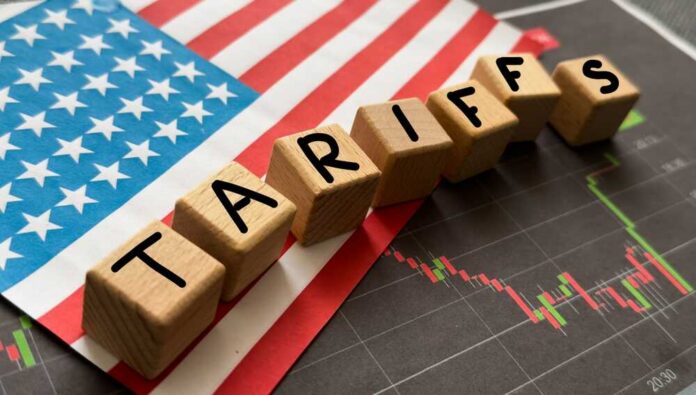
President Trump’s 25% auto import tariffs are driving used car prices to their highest levels since 2023, squeezing American families already battered by inflation and elite-driven policies.
Story Snapshot
- Manheim Used Vehicle Index hit 208.2 in April 2026, up 2.7% from March and 4.9% year-over-year.
- Tariffs raised new car costs, shifting demand to the used market amid tight supply for popular brands.
- Average used prices rose over $450, with luxury cars up $2,000 and pickups up $1,200 since 2024 end.
- Retail sales dipped 1.7% monthly but surged 13% annually, confirming policy-driven pressure.
Tariffs Trigger Used Car Price Surge
President Donald Trump’s 25% tariffs on auto imports took effect in early 2026, elevating new car prices by about $8,000 above pre-pandemic levels. Buyers shifted to the used market, where supply tightened for high-demand brands like Toyota, Honda, Ford, Chevy, and Nissan.
The Manheim Used Vehicle Index reached 208.2 in April, the highest since October 2023. This 2.7% monthly increase and 4.9% year-over-year rise mark a clear departure from pandemic-era spikes caused by chip shortages. Cox Automotive confirmed the tariff link, with fewer lease returns exacerbating the squeeze.
Used car prices rise to highest point since summer 2023 https://t.co/YgTrblRHSH
— CNBC (@CNBC) April 7, 2026
Market Data Reveals Broad Price Hikes
Carfax reported average used car prices up more than $450, or 1.7%, across segments compared to prior periods. Luxury cars jumped $2,000, or 8%, while pickup trucks rose $1,200, or 3.7%, from late 2024. CarGurus listed average retail prices at $47,962, up $1,200 year-over-year despite overall strong inventory.
Retail used vehicle sales fell 1.7% from March but climbed 13% from last year. Three-year-old vehicles saw a 1.6% index increase, with strong MMR retention signaling sustained upward pressure.
Expert Insights Confirm Tariff Impact
Cox Automotive senior director Jeremy Robb stated, “We expected strong price appreciation in response to the tariffs, and that’s exactly what came.” Unlike 2021-2022 shortages, this surge stems directly from trade policy, not production halts.
Industry forecasts predict continued rises even as lease returns improve supply. High-demand brands hold value due to tightness, while regional variations show luxury gains leading in the Midwest and the West. Credit availability at highs since 2022, boosted by tax refunds, further fuels demand.
Consumer and Economic Fallout
American families face reduced affordability, delaying vehicle upgrades amid higher transport costs. Lower-credit buyers, squeezed out of new cars, compete in a tighter used market. Dealers report volume dips but higher per-unit revenue.
Politically, tariffs shield domestic jobs yet pass inflation to consumers, echoing frustrations with government overreach. Long-term, 400,000 returning 2023 lease models remain too pricey for most, prolonging pressure despite broader inventory gains. This policy shock highlights how federal decisions override free-market forces, burdening working Americans.
Sources:
Used car prices rise to highest level since 2023 as Trump’s tariffs hit consumers
KBB: Is Now the Time to Buy, Sell, or Trade in a Used Car?