
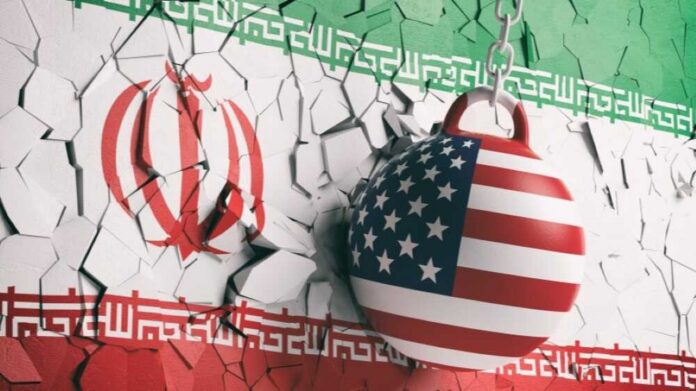
Oil prices crashed below $95 per barrel after President Trump secured a critical ceasefire agreement with Iran that guarantees safe passage through the Strait of Hormuz, delivering a major diplomatic victory that could finally ease inflation and energy costs for American families.
Story Highlights
- WTI crude plunged to $94.40 after Trump announced a conditional two-week ceasefire with Iran, reversing a March surge past $120
- Iran’s Foreign Minister confirmed coordination for the safe passage of non-hostile vessels through the Strait of Hormuz if U.S. strikes cease
- The dramatic price drop erases the “war premium” that had threatened to unleash devastating inflation on American consumers
- Markets react with cautious optimism as the ceasefire remains conditional, with experts warning one negative headline could reverse gains
Trump Ceasefire Breaks Oil Price Spike
President Trump announced a conditional two-week ceasefire with Iran on April 2, 2026, triggering an immediate market response that sent WTI crude plummeting 13.61 percent to $94.40 per barrel. The dramatic selloff marked the first time prices dropped below $95 in months, reversing a dangerous surge that had driven Brent crude above $120 in late March.
Trump’s announcement came after days of volatile trading following his earlier threats against Iranian infrastructure, demonstrating his willingness to pivot from military pressure to diplomatic solutions when American interests are at stake.
Oil fell below $100 per barrel after President Trump said he had agreed to a two-week ceasefire with Iran, subject to the immediate and safe reopening of the Strait of Hormuz https://t.co/uvgsQen4Xe
— Reuters (@Reuters) April 8, 2026
Iran Commits to Hormuz Safe Passage
Iranian Foreign Minister Abbas Araqchi confirmed Iran would halt attacks and coordinate safe passage for non-hostile vessels through the Strait of Hormuz if U.S. strikes cease, submitting formal notification to the International Maritime Organization.
This commitment addresses the core crisis that had choked global oil flows through the strategic waterway, which handles approximately 20 percent of worldwide petroleum shipments.
The Strait’s disruption had been the primary driver behind the March price explosion, transforming a regional conflict into a global energy emergency that threatened American economic recovery and family budgets nationwide.
War Premium Evaporates From Markets
The ceasefire announcement drained the geopolitical “war premium” that had artificially inflated energy costs, with Brent crude also dropping below $100 per barrel for the first time since Russia’s February 2022 invasion of Ukraine.
Goldman Sachs analysts responded by slashing their oil price forecasts, signaling confidence that the worst supply disruptions may be behind us.
This development delivers critical relief to American consumers who faced skyrocketing inflation driven by energy costs, a direct consequence of Middle East instability that Trump’s administration has now moved aggressively to contain through strength-backed diplomacy rather than endless military engagement.
Fragile Deal Faces Ongoing Regional Threats
Despite market optimism, the ceasefire remains conditional and unconfirmed by official channels in Tehran or Washington, with ongoing incidents including drone attacks and military deployments throughout the Gulf region.
The U.S. 82nd Airborne continues preparations for a potential Middle East deployment, while Israeli-Hezbollah tensions simmer alongside Kuwait airport drone strikes that demonstrate persistent regional volatility.
Energy analysts warn that markets are “not waiting” for diplomatic confirmation and that a single negative headline could trigger renewed price spikes, underscoring the fragility of peace in a region where American security interests and energy independence remain under constant threat from hostile actors.
The price collapse from $120 to below $95 represents approximately 60 percent erosion of March gains, benefiting American refiners and consumers while challenging domestic shale producers who require higher prices for profitability.
Energy market traders drove aggressive selling based on de-escalation optimism, though physical supply shortages continue to linger in regional markets.
The Trump administration’s 15-point peace framework and two-week military suspension demonstrate a strategic approach prioritizing American economic interests over prolonged Middle East entanglements, contrasting sharply with previous administrations’ patterns of ineffective diplomacy that consistently failed to protect American consumers from energy price manipulation by foreign adversaries.
Sources:
Oil Prices Plunge Below $100 as Trump Announces Iran Ceasefire
Oil Prices Drop Below $100 on Ceasefire Optimism
Oil Prices: Worst Behind Us Now – WTI, Brent Drop to Under $100
Why Are Oil Prices Plunging: US Oil Prices Crash Below $95 Per Barrel
USO Experiences a Dip as Crude Oil Prices Fall Below $95