
A 31-year-old woman survived a 1,500-foot fall on Mount Shasta, and the rescue shows how fast the mountain can turn a small mistake into a long, dangerous slide.
Quick Take
- The woman fell in Avalanche Gulch on the Left of Heart variation while climbing with two novice partners.
- U.S. Forest Service climbing rangers and California Highway Patrol crews reached her after cloud cover blocked a direct helicopter rescue.
- Rescuers found her conscious, with a suspected broken ankle and other injuries, then lowered her to Lake Helen for airlift.
- The case fits a known Mount Shasta pattern: slips and falls on snow and ice drive many rescues there.
The Fall That Started It All
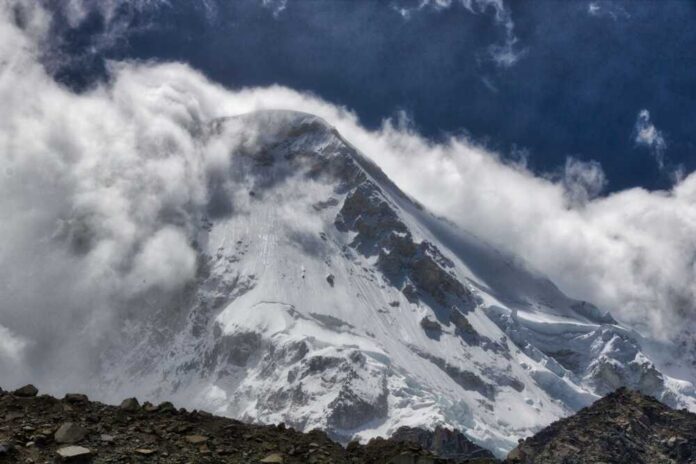
The rescue began on Sunday, June 28, 2026, when the woman slipped high on the mountain and slid about 1,500 vertical feet. She was climbing one of Mount Shasta’s most popular routes when the fall started near 13,000 feet and ended around 11,500 feet. That is the kind of drop that leaves little room for error, and even less room for delay once a climber stops moving.
The U.S. Forest Service said the woman was part of a group of three novice climbers on the Avalanche Gulch route. Rangers later found her conscious and in good spirits, but with a suspected broken right ankle and other injuries.
The fact that she stayed alive after such a long slide is striking, but the better question is why this mountain keeps producing rescues that sound almost impossible until they happen.
Why Avalanche Gulch Is So Dangerous
Avalanche Gulch draws climbers because it is the classic line up Mount Shasta. It also punishes bad timing.
The 2025 Mount Shasta climbing ranger report shows that rescues cluster in this area, that most mountain incidents happen from May through September, and that slips, trips, and falls on snow, rock, and ice are the most common causes. In other words, this was not a freak hazard so much as a familiar one.
That matters because the mountain does not need dramatic weather to hurt people. A slope can stay quiet for hours and still turn sharp in a single step.
Cloud cover made this rescue harder because a helicopter could not reach the injured climber directly, so rangers had to continue on foot. That detail explains the long, grinding nature of the operation far better than any headline number does.
How the Rescue Unfolded
Lead Climbing Ranger Nick Meyers got the report around noon from the Siskiyou County Sheriff’s Office search and rescue coordinator. Three U.S. Forest Service climbing rangers responded with help from the California Highway Patrol.
They found the woman, treated her on scene, and then lowered her by rescue litter to Lake Helen. A helicopter later hoisted her from there and flew her to Mercy Medical Center Mount Shasta.
Woman Survives 1,500-Foot Fall On Mt. Shasta | NewsRadio 560 WHYN https://t.co/E7f4dTw9Ka
— NewsRadio 560/98.9 FM WHYN (@WHYN560) July 2, 2026
That sequence says a lot about mountain rescue. The public often imagines a quick helicopter snatch and a clean finish. Real rescues are slower, heavier, and more physical.
They depend on weather, terrain, and whether crews can safely move an injured person over snow and rock. Here, the cloud deck forced rescuers to work in layers: locate, stabilize, lower, then airlift. That is how survival often looks on a volcano.
Why This Story Stuck
Mount Shasta already has a long record of rescue calls, and the annual reports show an average level of mountain risk that never really disappears. This case stands out because the fall was so long, the climber was so high, and the rescue still worked.
That combination gives the story its grip. It is not just about luck. It is about how quickly expert response can matter when the mountain wins the first round.
There is also a plain lesson here for climbers and families who watch from below. Mount Shasta rewards preparation and punishes guesswork.
The Forest Service urged climbers to carry proper mountaineering gear, check weather and route conditions, climb with experienced partners, and have an emergency plan. Those are not ceremonial warnings. On a mountain like this, they are the line between a hard day and a rescue that makes the evening news.