
The deadliest blast in Qatar’s energy history is being sold as a simple “technical accident” — right as war with Iran sits in the background and the world’s gas markets hang in the balance.
Story Snapshot
- Thirteen workers died and 66 were hurt in an explosion at Qatar’s key Barzan gas facility as it restarted after war damage.
- Qatar’s energy chief insists it was an industrial accident, not sabotage, and says exports are untouched.
- The blast hit a site already struck by Iran months earlier, feeding doubts about the “nothing to see here” story.
- The fight now is less about flames and smoke, and more about trust, transparency, and who controls the narrative.
How a restart shift at midnight turned into Qatar’s worst energy disaster
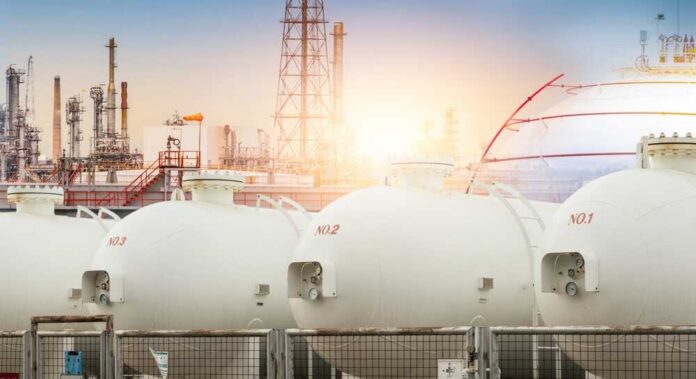
The blast hit the Barzan local gas supply facility inside Qatar’s Ras Laffan industrial city on a Sunday night, just as crews worked to restart operations at a site previously knocked offline by an Iranian strike in March.[5]
Qatar’s energy minister, Saad Sherida Al-Kaabi, later told reporters that 13 workers died and 66 were injured, with the dead mainly from India and Pakistan.[6]
The explosion and fire ripped through a plant built to meet Qatar’s own gas demand, not exports, yet it occurred inside the world’s largest liquefied natural gas hub.
Authorities said the cause was a “technical malfunction” during start-up, the kind of failure that can occur when a plant moves from cold shutdown back into flow.[5]
Emergency teams from QatarEnergy rushed to the scene, fought the fire, and brought it under control before it spread to export units.[5]
Officials stressed there was no gas leak threatening nearby communities and no wider environmental danger, a key claim meant to calm both locals and foreign buyers.[6]
Why Doha is desperate to call this an accident, not an attack
Saad Sherida Al-Kaabi, who wears two hats as both energy minister and chief executive of QatarEnergy, went out of his way at a Doha news conference to say the blast was “an accident, not sabotage or hostile in nature.”[6] That wording was not casual.
Qatar’s leadership needs to show that its prized liquefied natural gas exports are safe and stable even as missiles and drones have already struck Ras Laffan earlier in the year.[5]
If this were labeled an attack, it could rattle markets, spook buyers, and pull Qatar deeper into a regional showdown with Iran.
Officials also claimed that liquefied natural gas shipments and export capacity were unaffected, despite the deaths and visible damage.[5] That message aligns with Qatar’s long game: hold on to its image as the world’s steady gas lifeline as Europe and Asia are already nervous about supply.
The gaps, the questions, and why many people do not fully buy it
The problem is that the public story stops right where the hard questions start. Qatar has not released specific details about where inside Barzan the explosion began, which equipment failed, or what exactly the “technical malfunction” was.[5]
There are no maintenance logs, restart checklists, or sensor data in the open record to show whether safety rules were followed to the letter.
Casualty numbers also shifted, from early reports of 54 injured and 18 missing to the final toll of 13 dead and 66 hurt, which makes people wonder what else might change.[2]
No independent international team has been announced, no outside forensic report shared, and no worker testimony aired about what happened in the minutes before the blast.[5]
In a tightly controlled media space, where state-linked companies dominate both jobs and information, skepticism is not paranoia; it is basic prudence.
When the same man runs the ministry that sets energy policy and the company that runs the plant, Americans used to checks and balances see a clear conflict of interest. Logic here says: trust, but verify — and verification is exactly what is missing.
Industrial accident, hostile act, or preventable failure? The stakes go far beyond Qatar
Energy safety experts point out that restart and recommissioning are among the riskiest phases in high-hazard gas operations.[10] Equipment sits idle for months, pressure regimes change, and small lapses in procedure can lead to major incidents.
Past liquefied natural gas accidents around the world show a pattern: most serious failures come from equipment problems and human error, not dramatic sabotage plots.[14]
That history makes an “industrial accident” fully plausible — but it also leaves the door open to questions about negligence and a culture of shortcuts.
Explosion at Qatar gas export terminal leaves dozens injured and 18 missing
State-run QatarEnergy says blast occurred during work to restart production at Ras Laffan LNG plant that was bombed during Iran war; incident could further shake global energy markets…— Elena (@helen44767171) June 22, 2026
The bigger story is about how modern states handle truth when money, war, and reputation collide. Qatar gains if this remains a tragic but contained mishap. Iran’s hard-liners gain if the world believes their March strike still haunts Ras Laffan.
Western media outlets gain clicks by tying every fireball in the Gulf to secret drones and shadow wars. A sober, conservative view cuts through that noise: demand evidence, insist on independent eyes, and remember that ordinary workers — often migrants far from home — pay the price when systems fail.
Sources:
[2] Web – 13 killed, dozens injured in Qatar’s Ras Laffan energy site explosion
[5] Web – Explosion at Qatar Natural-Gas Plant Leaves 13 Dead, Dozens Injured
[6] Web – Explosion at Qatar Gas Plant Kills at Least 13 and Injures 66 – ny …
[10] Web – Qatar’s Minister of State for Energy Affairs and QatarEnergy CEO …
[14] YouTube – QatarEnergy Chief Confirms 13 Dead After Deadly Barzan Gas Plant …