

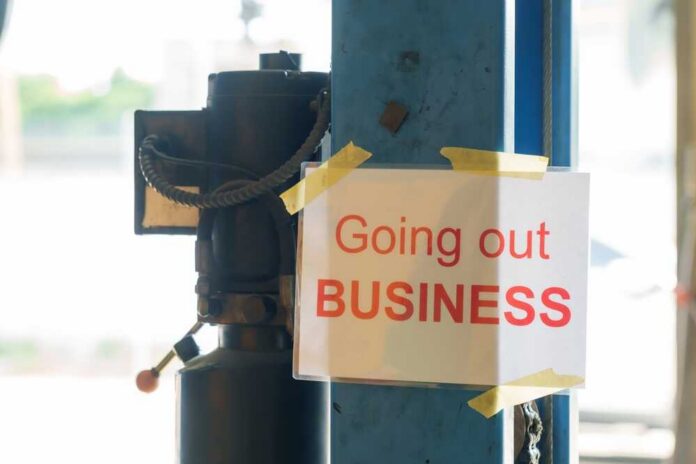
British American Tobacco is cutting 9,000 jobs worldwide — and artificial intelligence is partly to blame.
Story Snapshot
- British American Tobacco (BAT) will eliminate 5,500 jobs and outsource 3,500 more roles by the end of 2026.
- The company’s “Fit2Win” program aims to save £600 million a year by 2028 to fund a push into vaping and smokeless products.
- BAT’s interim CFO directly linked AI adoption to the job cuts, calling it a driver of reduced staffing needs.
- In South Africa, a factory closure threatens 230 direct jobs in a country where 42.4% of people are already out of work.
A Company Betting Its Future on Vapes and Algorithms
BAT confirmed the cuts through an internal notice seen by Bloomberg News. The company calls this its Fit2Win restructuring plan. The goal is simple: spend less on traditional cigarette operations and spend more on the next wave of nicotine products — vapes, heated tobacco, and oral nicotine pouches.
CEO Tadeu Marroco described the effort as building a “future-ready organization” that is leaner, faster, and more technology-driven. That sounds polished. But for 9,000 workers, it means a pink slip.
Top tobacco company to cut thousands of jobs https://t.co/39fpmhVZFl
— FOX Business (@FoxBusiness) June 29, 2026
The cuts affect roughly 20% of BAT’s global workforce, excluding employees in the United States. Interim CFO Javed Iqbal was direct about one key driver.
He said embracing artificial intelligence “would also affect staffing levels.” That is a rare moment of corporate honesty. Most companies bury the AI-job connection in vague language. BAT put it in writing.
What £600 Million in Savings Actually Buys
The Fit2Win target is £600 million in annual cost savings by the end of 2028. That capital does not disappear. BAT plans to redirect it into vaping brands and modern oral products — the segments actually growing in a world where fewer people smoke traditional cigarettes.
Global smoking rates have dropped sharply since 2000, with the steepest declines in wealthier countries. BAT is not the first tobacco giant to make this turn. Philip Morris International made a similar pivot years ago, betting its future on smoke-free products.
BAT’s shares fell more than 1% after the announcement. That reaction tells you something. Investors were not celebrating a bold strategy. They were nervous. A stock drop on restructuring news often signals that the market sees more pain ahead than the press release admits.
The £600 million savings target has not been verified by any outside audit. The company’s own internal numbers are driving this entire plan, and no independent firm has confirmed those projections will hold.
South Africa: Where the Numbers Have a Human Face
The global headline number — 9,000 roles — can feel abstract. South Africa makes it concrete. BAT is closing its Heidelberg manufacturing plant, putting 230 direct workers out of a job, along with roughly 300 supplier and contractor positions. This is happening in a country where the national unemployment rate sits at 42.4%.
Matthew Parker of industry group Kasatu confirmed those figures publicly and added critical context: illicit cigarettes now make up about 75% of South Africa’s cigarette market. Legal manufacturers simply cannot compete when three out of four cigarettes sold in the country are smuggled or counterfeit.
British American Tobacco announced Monday it is cutting 9,000 roles as part of an AI Transformation — the largest single announcement since Oracle's 21,000-person layoff last week.
Combined with the Microsoft news, the "AI eats jobs" narrative is accelerating across sectors.…
— Finance Spot (@financespotnews) July 1, 2026
The Fair Trade Independent Tobacco Association has loudly criticized the closure. Their argument carries weight on moral grounds. Closing a factory in one of the world’s most economically distressed regions is a serious decision.
But the illicit trade crisis, which Parker himself confirmed, is real and severe. When criminal networks control 75% of your market, you cannot manufacture your way out of the problem.
BAT’s decision to shift to an import-based supply chain in South Africa appears driven by a genuine market collapse, not just a spreadsheet exercise. That does not make it painless — it makes it complicated.
AI Is Reshaping Every Industry, Including This One
The BAT story is not just about tobacco. It is an early, visible example of what happens when a major global company combines a shrinking core product with AI-driven efficiency tools. The result is fewer people doing more work, faster. Every large employer in manufacturing, logistics, and operations is running the same math right now.
BAT just announced the answer out loud. Workers in industries with declining demand and rising automation should pay close attention. This restructuring is a preview, not an outlier.
Sources:
foxbusiness.com, finance.yahoo.com, reuters.com, hcamag.com, youtube.com