
A single bag of frozen dog food sold in 11 states triggered a national recall after lab tests confirmed Salmonella contamination and multiple dogs got sick.
Quick Take
- Oma’s Pride voluntarily recalled one lot of Woof Complete Canine Chicken Recipe, a 6-pound bag, after a consumer complaint led to positive Salmonella test results.
- The affected lot, number BB012729, reached stores across 11 states before the company pulled it.
- The Connecticut-based company confirmed dogs got sick, but no human illnesses have been reported.
- Health experts say raw pet food carries a higher risk of Salmonella than cooked pet food, making this recall part of a broader pattern.
What Triggered The Recall And How It Unfolded
Oma’s Pride of Avon, Connecticut, issued the recall on August 12 after a customer complained about the product. The Food and Drug Administration (FDA) then collected a sample and ran lab tests. Those tests came back positive for Salmonella, confirming the contamination and forcing the company’s hand.
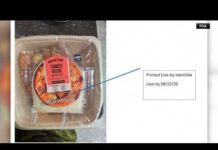
The recalled product is specific: Woof Complete Canine Chicken Recipe, sold in 6-pound bags, from lot number BB012729. This narrow scope matters. It means the company and the FDA could pinpoint exactly which batch caused harm, rather than pulling the entire product line off shelves.
Distribution reached at least 11 states, based on reports tracking where the bags were sold before the recall notice went out. That wide reach explains why this became national news rather than a local pet store issue.
Dog food sold in 11 states recalled over deadly Salmonella contamination fears https://t.co/eXCQR4oh6g pic.twitter.com/WwJHgiaV1o
— New York Post (@nypost) August 14, 2026
Dogs Got Sick, But No Humans Have Been Affected
Oma’s Pride updated its press release on August 17 to clarify something important for pet owners. The illnesses tied to this contaminated lot occurred only in dogs. No human illnesses have been reported connected to this product.
That distinction matters for anyone handling the food, even if their own pet didn’t eat it. Salmonella can spread from contaminated pet food to people who touch it, especially if they don’t wash their hands afterward. The company’s clarification suggests that risk didn’t materialize this time, but pet owners should still handle recalled products with care.
Why Raw Dog Food Keeps Showing Up In Recalls
This isn’t an isolated case. A review of pet food recalls from 2003 through 2022 found that Salmonella caused 23 percent of all recalls during that period, and 94 percent of those were classified as high-risk, Class I events. Raw and frozen products show up disproportionately in these numbers compared to cooked pet food.
The FDA has stated plainly that neither the agency nor the Centers for Disease Control and Prevention recommends feeding raw diets to pets, citing the elevated risk of bacterial contamination.
Surveys of raw pet food samples in North America have found Salmonella-positive rates ranging from roughly 7 to 9 percent, depending on the study.
Other raw pet food brands have faced similar recalls this year and in years past. Albright’s Raw Pet Food recalled a chicken recipe in May due to potential Salmonella contamination.
Viva Raw pulled two lots of dog and cat food last year after tests found Salmonella and Listeria in both. The pattern points to an industry-wide challenge with raw meat processing, not just one company’s misstep.
What Pet Owners Should Do Right Now
Anyone with a 6-pound bag of Woof Complete Canine Chicken Recipe should check the lot number printed on the packaging. If it matches BB012729, the product should be thrown away immediately rather than returned to the store, where other customers might grab it.
Owners should also watch their dogs for symptoms such as diarrhea, vomiting, fever, or lethargy, which can indicate a Salmonella infection. Dogs showing these signs need a veterinarian’s attention quickly.
Anyone who handled the recalled bags should wash their hands and sanitize any surfaces the food touched, since bacteria can linger on countertops and food bowls long after the product itself is gone.
Sources:
foxbusiness.com, petfoodindustry.com, usatoday.com, newsweek.com, fda.gov, pmc.ncbi.nlm.nih.gov