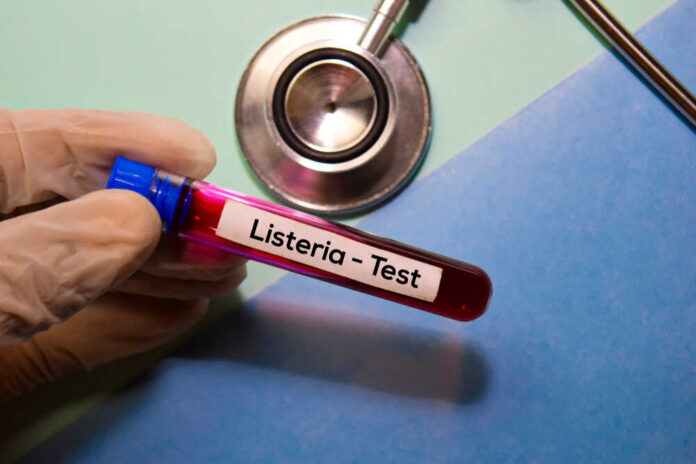
More than 3,200 pounds of ready-to-eat pastrami and corned beef were pulled from the market after federal inspectors flagged a possible Listeria problem.
Quick Take
- City Foods, Inc. recalled about 3,215 pounds of pastrami and corned beef after a federal inspection concern.
- The U.S. Department of Agriculture’s Food Safety and Inspection Service said the products may be adulterated with Listeria monocytogenes.
- Officials said the issue turned up during routine inspection activities, not after a reported illness.
- The recall covers ready-to-eat deli meats shipped through food service channels and then distributed farther across the country.
What Was Recalled
City Foods, Inc., a Chicago establishment, recalled approximately 3,215 pounds of ready-to-eat pastrami and corned beef products on August 8, 2026.
The recall included Midamar Premium Beef Pastrami, Bea’s Best Cooked Corned Beef Brisket, and Kirsch Delicatessen Style Cooked Corned Beef Brisket. The products carried establishment number EST. 1896 and were produced on July 16, 2026.
The products first went to food service locations in Illinois, Iowa, and Michigan before wider distribution, which is exactly why this kind of recall can move fast.
Ready-to-eat meat does not get another cooking step at home if someone slices it onto a sandwich and serves it cold. That gives a small contamination concern a chance to become a large public warning.
Why Inspectors Acted
Federal officials said they found the problem during routine inspection activities. That detail matters because it shows how food safety enforcement often works in real life.
Inspectors do not wait for a hospital report before they act. They remove a product when the evidence points to a possible hazard, especially with Listeria monocytogenes, which can cause serious illness.
More than 3,200 pounds of ready-to-eat pastrami and corned beef products are being recalled nationwide over possible Listeria contamination, according to the USDA’s Food Safety and Inspection Service.
The recall covers products sold under the Midamar, Bea’s Best, and Kirsch… pic.twitter.com/SSWqBZA4yb
— FOX Business (@FoxBusiness) August 10, 2026
The U.S. Department of Agriculture warned that no illnesses had been linked to the recalled products so far. That does not make the recall trivial. It means the system worked early enough to warn the public before the risk had a chance to spread further.
Listeria can be especially dangerous for older adults, pregnant women, newborns, and people with weaker immune systems.
What Consumers Should Do
Officials said consumers and institutions that bought the meat should not eat it. They should throw it away or return it to the place of purchase.
FSIS also warned that some of the recalled products could still be sitting in refrigerators or freezers, which is often how these recalls reach families long after the original shipment date.
🚨 RECALL: City Foods is recalling 3,215 lbs. of ready-to-eat pastrami & corned beef over possible Listeria contamination.
❌ Don’t eat, serve or sell. Discard or return.📞 #Poison Help: 1-800-222-1222
🔗 https://t.co/mE0Pnly7Ep#PoisonPrevention #Recall #FoodSafety #Listeria pic.twitter.com/vcMMYEXWxo— FL Poison Control (@FloridaPoison) August 11, 2026
This recall fits a familiar pattern in deli meat safety. Ready-to-eat products can look fine, smell fine, and still carry a dangerous contaminant. That is why the warning language is so blunt. A recall like this is not a courtroom finding. It is a public-health move meant to cut off risk before it turns into a harder story.
Sources:
foxbusiness.com, thefederalnewswire.com