
Warren Buffett gave away 9,225,000 Berkshire Hathaway Class B shares and said kindness “compounds.”
Story Snapshot
- Buffett donated about $5.5 billion in Berkshire stock to four family-linked foundations.
- He split the gift 40% to the Susan Thompson Buffett Foundation and the rest evenly among three others.
- He converted 6,150 Class A shares into 9,225,000 Class B shares to make the transfer.
- His Thanksgiving letter urged people to thank a giver and become one themselves.
A precise, repeatable gift with clear mechanics
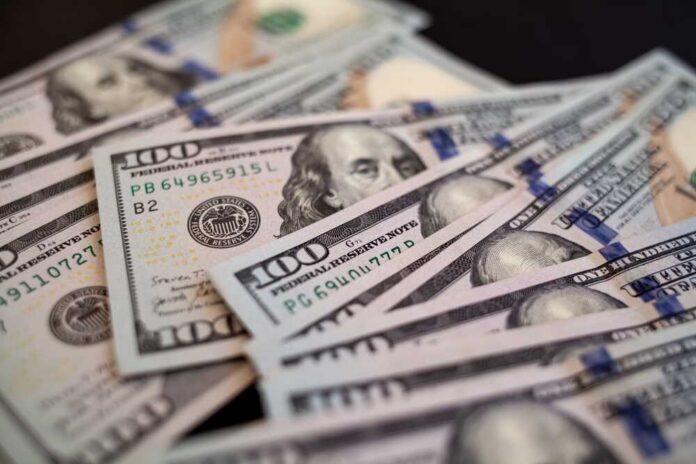
Warren Buffett moved 6,150 Berkshire Hathaway Class A shares into 9,225,000 Class B shares, then donated the full lot to four foundations, according to reports citing a Berkshire notice. That conversion allowed him to size the gifts with accuracy and avoid awkward fractions. Outlets pegged the total near $5.5 billion, a mark that shifts a bit with market pricing. The structure echoes earlier years when he used Berkshire stock to fund large, planned gifts.
Buffett sent 3,690,000 shares to the Susan Thompson Buffett Foundation and 1,845,000 shares each to the Sherwood Foundation, the Howard G. Buffett Foundation, and the NoVo Foundation. The split equals a 40% lead gift and three equal allocations for the rest. Reports from multiple outlets aligned on both the share count and the recipient list. That level of detail helps readers weigh the scope and intent without guessing at who got what.
The message: kindness grows like interest
Buffett used a simple line to frame the act: “kindness is costless but also priceless,” and this year he added that it “compounds.” He linked a moral idea to an investor’s math. Most people understand compound interest. He wants them to picture the same steady growth when one kind act triggers another. He then raised the bar from thought to action: thank a selfless person in your life, and better yet, be a benefactor for someone else.
That appeal matches the season and his long track record of planned giving. Reports say the Thanksgiving gifts to these four foundations began in 2022 and grew from about $1.35 billion in 2025. The pattern shows intent, not impulse. He has long favored stock transfers over cash because stock lets him deliver size, timeline control, and potential tax efficiency while keeping Berkshire’s capital at work until shares are sold by grantees.
Why the dollar figure varies by outlet
Readers saw both $5.4 billion and $5.5 billion in headlines. That swing comes from share price timing and rounding. He gave a fixed number of shares, not a fixed cash amount. When reporters multiply 9,225,000 by a recent Class B price, the total floats either side of that range. The better anchor is the exact share count and the split across the four foundations. Those are the true constants in the gift.
Some coverage also tied the move to Berkshire leadership context. That lens will always follow a figure of Buffett’s scale. The more useful view for the public is the mechanics and message. He chose a repeatable vehicle, set a stable split, and paired it with a call for small, local acts. That combination makes the news big at the top and usable at the bottom of your street.
What this says about modern big giving
This transfer fits a wider shift: large, concentrated gifts from a small number of families now drive a growing share of private giving in the United States. An analysis of Internal Revenue Service data found that billionaire donors or their children control half of the 100 largest private foundations by assets or expenses, which shapes which causes get funded at scale. Big checks can move fast, but they also centralize choices in fewer hands.
Warren Buffett is donating another $5.5 BILLION in Berkshire Hathaway stock.
In his annual Thanksgiving letter, Buffett said kindness “compounds,” per CNBC.
The donation includes:
• 3.69 million shares to the Susan Thompson Buffett Foundation.
• 1.845 million shares each to…— Rocket Terminal (@RocketTerminal) November 17, 2026
Scale has upsides when it meets clear plans and public accountability. Buffett’s approach delivers clarity on amount and destination, which is the floor of trust. The next step, as always, is what the foundations do with the resources. Citizens should watch grant choices and results, just as they track public budgets. Stewardship and transparency are not partisan asks; they reflect common sense and conservative values: know where the money goes, and measure what it does.
Sources:
cnbc.com, apnews.com, fortune.com, cbsnews.com