The Upper East Side Legionnaires’ outbreak has now claimed its third life in New York City, turning a neighborhood health warning into a grim public test of speed, trust, and control.
Quick Take
- New York City health officials say the Upper East Side cluster began after two linked cases were found on July 2.
- The city later said there were 14 confirmed cases by July 4 and 31 buildings with Legionella bacteria detected.
- City reporting and broadcast coverage now place the outbreak much higher, with deaths rising to a third confirmed fatality.
- The episode fits a familiar New York pattern: cooling towers, rapid spread, urgent testing, and a race to find the source.
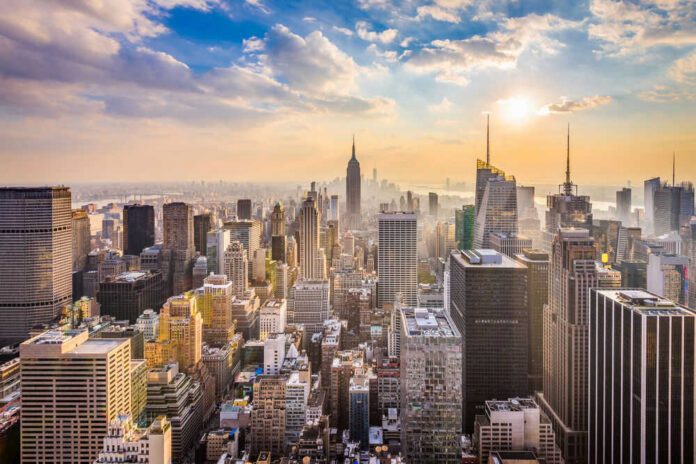
A fast-moving cluster in a crowded part of Manhattan
New York City health officials first launched the investigation after finding two Legionnaires’ disease cases close together in Carnegie Hill and Yorkville on the Upper East Side.
By July 4, the city said there were 14 confirmed cases tied to the cluster, and it added ZIP code 10075 to the investigation area after another case was linked there. The outbreak later expanded well beyond that first warning.
Broadcast and print reporting showed the case count climbing as investigators tested more cooling towers and tightened the response.
One update put the toll at 31 buildings with Legionella bacteria detected, while another reported 46 cases and 22 hospitalizations as officials urged residents to watch for fever, cough, and breathing trouble. Later coverage reported 59 to 60 cases, showing how quickly the cluster grew once testing widened.
What Legionnaires’ disease is, and why cooling towers matter
Legionnaires’ disease is a serious type of pneumonia caused by inhaling mist that contains Legionella bacteria. The New York City Health Department says people do not catch it by drinking water, and it is not spread from person to person.
That matters because the city’s attention has focused on cooling towers, which can spray infected water into the air if they are contaminated.
A third person has died in New York City amid an ongoing cluster of Legionnaires' disease cases in the Upper East Side, according to health officials. https://t.co/sHCTmv7Iyf
— ABC News (@ABC) July 20, 2026
This is why the outbreak has become more than a medical story. It is also a building-systems story. Large towers, dense housing, and warm summer weather create the kind of setting where a hidden problem can move from one rooftop to an entire neighborhood.
The city’s public message has stayed simple: drink water, use air conditioning, and shower normally, while staying alert for symptoms.
Why the death count changes the meaning of the outbreak
Early reports said no one had died in the Upper East Side cluster. That changed as the outbreak grew, and later reporting said the first death had been confirmed in connection with the cluster.
The current user premise points to a third death, which marks a far more serious stage than the first public notices and places the outbreak in the same harsh category as earlier New York City Legionnaires’ events.
That comparison is hard to miss. New York City has lived through major Legionnaires’ outbreaks before, including the Central Harlem cluster in 2025, which public health reports say caused 118 confirmed cases and seven deaths.
Earlier city-linked outbreaks have also been traced to cooling towers, including the 2015 South Bronx investigation that identified a hotel tower as the source after lab work and field testing. The pattern is familiar, but that does not make it less dangerous.
The larger lesson is blunt: this disease rewards delay and punishes guesswork. The city can warn residents, inspect towers, and order cleaning, but it still has to find the exact source before the damage stops.
That is why outbreaks like this unsettle people far beyond the affected ZIP codes. They reveal how one hidden system can threaten an entire block, and how fast a routine summer week can turn into a fatal city emergency.
Sources:
abcnews.com, nyc.gov, nytimes.com, youtube.com, apnews.com, pmc.ncbi.nlm.nih.gov