
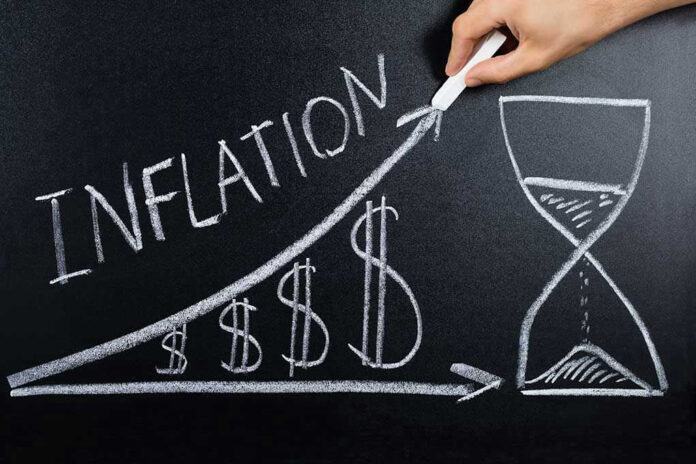
The persistent gap between wage growth and inflation leaves many Americans struggling to maintain their standard of living even years after the pandemic.
Story Snapshot
- Wages have grown 21.5% since 2021, but inflation has risen 22.7%, leaving a -1.2 percentage point gap.
- The gap between wages and inflation peaked at 4.8 percentage points in 2022.
- Educators and public sector workers are particularly affected by slow wage growth.
- Public sentiment remains negative, with concerns about financial stress and purchasing power.
The Impact of Inflation on Wages
The COVID-19 pandemic triggered a cascade of economic events, leading to a significant gap between wage growth and inflation. As the U.S. economy reopened in January 2021, inflation surged due to supply chain disruptions, pent-up demand, and fiscal stimulus. Despite nominal wage increases, the Bankrate Wage to Inflation Index reveals that purchasing power has not kept pace with rising costs, leaving many workers feeling the pinch.
The Federal Reserve’s response, marked by interest rate hikes beginning in 2022, aimed to control inflation but has not fully bridged the wage-inflation gap. As of the second quarter of 2025, the gap has narrowed to -1.2 percentage points, down from a peak of 4.8 percentage points in 2022. While progress is evident, the average American’s purchasing power remains below pre-pandemic levels.
Challenges for Specific Sectors
Educators and public sector employees face particular challenges due to lagging wage growth. While some sectors, buoyed by strong unions or labor shortages, have seen faster catch-up, public sector roles have not experienced the same momentum. Funding constraints and budget pressures continue to hamper wage increases in these critical areas, exacerbating workforce shortages and financial stress for those involved.
The lived experience of workers, especially educators, highlights the disparities in wage growth across professions. Despite nominal increases, real incomes remain depressed, and many Americans report ongoing financial struggles. According to a recent CBS News poll, 55% of Americans rate the economy as “very” or “fairly bad,” and 75% say their incomes have not kept up with inflation.
Public Sentiment and Economic Implications
Public sentiment reflects the persistent financial strain experienced by American households. The gap between wage growth and inflation leads to increased debt, reduced savings, and delayed financial milestones, such as homeownership and retirement. This economic reality poses potential risks for slower economic growth, persistent inequality, and political pressure for wage increases and inflation relief.
Industry experts, including those at Bankrate and the Economic Policy Institute, warn that unless wage growth outpaces inflation, real incomes will remain under pressure. While some analysts remain optimistic about continued wage growth as inflation moderates, others caution against entrenched wage stagnation and “catch-up fatigue.”
Sources:
Bankrate Wage to Inflation Index