Middle East turmoil is about to hit your family budget where it hurts most—airline executives say higher ticket prices could “start quick” as jet fuel spikes.
Quick Take
- United Airlines CEO Scott Kirby warned that surging jet fuel prices tied to the Iran conflict will likely push airfares higher soon.
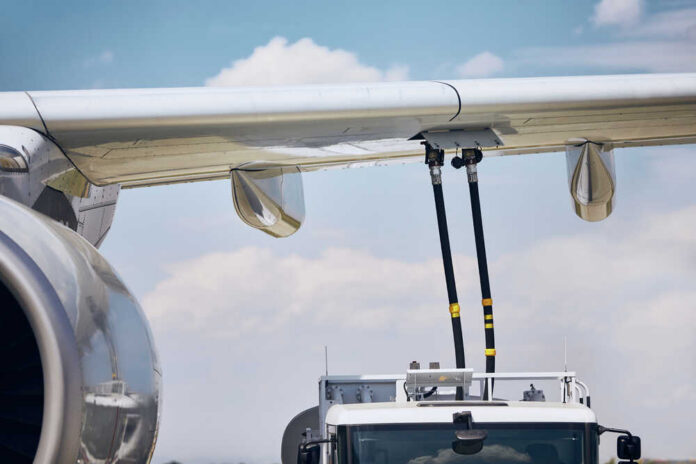
- Jet fuel jumped from roughly $2.50 per gallon in late February to about $3.88–$3.95 in early March, a week-over-week surge of roughly 50–58%.
- Most major U.S. airlines, including United, typically do not hedge fuel, leaving customers exposed to sudden price shocks.
- Airspace disruptions, rerouting, and war-risk insurance premiums are adding additional cost pressure beyond fuel alone.
United CEO flags “meaningful” hit as jet fuel spikes
Scott Kirby, United Airlines’ CEO, told an audience at a Harvard University event that the airline expects a “meaningful” impact to financial results from the sudden rise in jet fuel prices following the late-February escalation involving U.S. and Israeli strikes on Iran.
Kirby said the effect for passengers could be swift, signaling higher fares could arrive quickly as airlines absorb higher operating costs during a period of strong demand.
Plane ticket prices likely to soar as Iran war brings huge fuel price surge: United CEO says impact will 'probably start quick' https://t.co/LMe1ngfl8r pic.twitter.com/3GkXx6Ej5L
— New York Post (@nypost) March 7, 2026
Market pricing data cited across reports showed jet fuel near $3.95 per gallon at the peak of the early-March surge, compared with about $2.50 per gallon in late February. By Friday, prices were still reported around $3.88 per gallon.
United’s stock also reacted to the new cost reality, falling more than 4% in one session and remaining down since the conflict intensified, underscoring how sharply fuel volatility can change the outlook.
Why this war drives ticket prices: fuel is a major airline cost
Jet fuel is typically one of an airline’s largest expenses after labor, often described as roughly 20% to 30% of operating costs. When fuel rises this fast, airlines have limited options: accept a margin hit, reduce capacity, or raise the price customers pay.
Kirby’s warning matters because many U.S. carriers generally do not hedge fuel, meaning they buy closer to spot market rates and feel the shock almost immediately.
Reports also highlighted a key nuance that frustrates simple “just hedge it” talking points: even airlines that do hedge can get squeezed by refining dynamics and crack spreads, particularly when supply routes are disrupted.
In other words, the cost of turning crude oil into jet fuel can surge in ways that make aviation fuel expensive even when crude prices move less dramatically. That makes airfare pressure harder to avoid in a sustained conflict.
Reroutes and insurance premiums add a second layer of cost
Fuel is not the only driver. With airspace closures and heightened risk across the region, airlines may need to reroute flights, adding time in the air and increasing fuel burn, crew scheduling complexity, and maintenance impacts.
Industry coverage also pointed to rising war-risk and insurance-related costs, including sharp premium increases reported for some carriers operating near affected corridors, creating additional per-flight expenses that can compound fare pressure.
Some international markets have already shown sharp stress signals. European jet fuel prices were reported at levels described as the highest since the Russia-Ukraine-driven energy shock period, reflecting a renewed supply-risk premium.
Maritime insurance disruptions and reduced coverage were also reported in the region, adding to broader logistics uncertainty. For travelers, that combination tends to show up as fewer deals, more surcharges, and higher base fares.
What this means for travelers—and what still isn’t known
Kirby said demand remains strong, with reports citing bookings running ahead year-over-year even as costs rise. Strong demand gives airlines more ability to pass costs along, often by adjusting fares, adding class-based surcharges, or tightening discount availability.
For families and retirees planning trips, the practical effect may be higher prices for spring and summer travel, especially on routes requiring longer diversions.
Key unknowns remain, and they matter for your wallet: how long the conflict lasts, whether energy routes stay disrupted, and whether fuel prices retreat quickly or stay elevated. Ratings and industry analysis emphasized that duration is the main variable for oil-intensive sectors like airlines.
If the disruption persists, airfare inflation could linger well beyond a single quarter, stacking onto broader cost-of-living pressures many voters already resent after years of fiscal strain.
Sources:
United Airlines Feels Fuel Pressure as Iran Conflict Lifts Jet Costs
Iran war: Experts warn airfares may increase as jet fuel prices surge
Iran war oil prices airfare United CEO Scott Kirby
Airlines’ fuel costs and rerouting push airfares amid Middle East disruption