
Iran’s stranglehold on the Strait of Hormuz forces Kuwait to slash oil production, risking $150 per barrel prices and punishing American families still recovering from Biden-era inflation.
Story Snapshot
- Kuwait Petroleum Corporation cuts 100,000 barrels per day initially, tripling cuts on March 8 amid Iran’s threats and near-closure of Hormuz strait.
- Strait traffic plummets from 138 to 2 ships daily with no tankers, stranding dozens and halting one-fifth of global oil exports.
- President Trump’s U.S. offers tanker insurance and demands Iran’s surrender, countering the regime’s aggression that echoes past leftist weakness.
- Qatar halts LNG exports with force majeure warnings; Gulf cascade threatens fuel shortages, higher U.S. gasoline prices, and economic pain for working families.
- Long-term risks include permanent oil capacity loss, raising energy costs and validating Trump’s push for American energy independence.
Kuwait’s Forced Production Cuts
Kuwait Petroleum Corporation reduced crude oil production by 100,000 barrels per day on March 7, 2026, as a precautionary measure against Iran’s aggression and threats to the Strait of Hormuz. This OPEC member, normally producing 2.5 million barrels per day, plans to nearly triple cuts on March 8, with further reductions tied to storage capacity and strait security.
The moves address disrupted tanker traffic and physical export blockages, unlike voluntary OPEC adjustments. KPC prioritizes domestic needs amid the halt. These actions signal Gulf producers’ growing alarm over Iran’s Revolutionary Guard claims of complete control.
Iran’s Aggression Sparks Regional Crisis
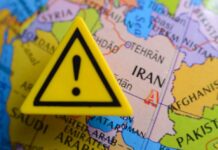
Iran’s recent threats target Kuwait directly, including safe passage disruptions in the Strait of Hormuz, which handles 20 percent of global oil trade. Key incidents include a March 5 drone attack on an Iraqi tanker, an explosion off Kuwait, Bahrain refinery strike, and Saudi refinery closure.
Vessel traffic dropped sharply from 138 to 2 ships per day, none tankers, with dozens stranded, attacks ongoing, and war insurance withdrawn. Qatar’s Ras Laffan LNG hub suffered a drone strike, prompting shutdowns. Iraq and Kuwait oilfields also halted, with UAE and Saudi Arabia eyeing similar steps. Historical precedents like the 1980s Tanker War underscore the severity.
OIL MARKETS FACE DEEPER DISRUPTION AS PRODUCERS INCLUDING THE UNITED ARAB EMIRATES AND KUWAIT CUT OUTPUT WHILE TANKER TRAFFIC AVOIDS THE STRAIT OF HORMUZ AMID THE ESCALATING CONFLICT INVOLVING THE UNITED STATES, ISRAEL AND IRAN, PUSHING CRUDE PRICES CLOSER TO $100 A BARREL.
— First Squawk (@FirstSquawk) March 8, 2026
U.S. Response Under President Trump
President Trump demands Iran’s unconditional surrender while the U.S. Development Finance Corporation offers insurance guarantees for tankers and CENTCOM prepares potential Navy escorts.
This counters Iran’s de facto blockade, which forces lose-lose shutdowns on Gulf exporters like Kuwait (100 percent Hormuz-dependent), Qatar, Iraq (97 percent), Saudi Arabia (89 percent), and UAE (66 percent). Trump’s firm stance contrasts Biden’s failed appeasement policies that emboldened Tehran. U.S. actions aim to secure maritime trade vital to American energy security and prevent global supply paralysis.
Economic Fallout and Expert Warnings
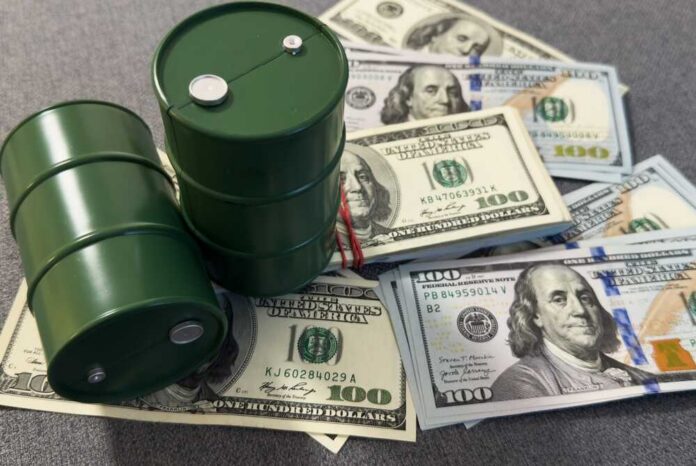
QatarEnergy’s Saad al-Kaabi warns oil could hit $150 per barrel in 2-3 weeks, with LNG rates surging 650 percent, slamming U.S. gasoline prices and European gas costs. Storage constraints risk irreversible well shut-ins, locking oil permanently and raising long-term prices.
Expert Pavel Molchanov notes Middle East fields restart in days or weeks under normal conditions, but mines or targeting extend recovery to months or years. Global importers like China halt fuel exports; consumers face shortages in fuel and fertilizers. Saudi Red Sea reroutes offer limited offset amid OPEC’s shift to forced cuts.
Kuwait cuts oil production as Strait of Hormuz closure disrupts global energy market – CNBC https://t.co/vaX07vr72L
— Sollencia (@Sollencia) March 8, 2026
Implications for American Families
Filling storage forces wellbore shutdowns with potential permanent capacity loss, embedding a higher energy price floor that hits working Americans hardest. Social impacts include fuel and fertilizer shortages slowing growth; politically, it underscores Gulf unity against Iran’s lose-lose targeting and validates Trump’s energy dominance agenda over globalist dependence.
Optimists cite Gulf restart expertise and U.S. backing, but consensus predicts rapid spikes if Hormuz stays closed. Uncertainties persist on cut scales beyond initial figures and U.S. insurance restoring traffic.
Sources:
Kuwait Cuts Oil Production Amid Iran Threats to Strait of Hormuz
Gulf crisis: Now Kuwait announces cuts in oil refining output
Iran war sends energy prices soaring as Iraq, Kuwait shut oil production
Kuwait Shuts Production, Qatar Warns Oil Could Hit $150 in Weeks