
America’s power grid is being forced to choose between ideology and reliability—and the Trump administration is betting on “peak demand” planning and a Three Mile Island comeback to keep the lights on.
Quick Take
- Energy Secretary Christopher Wright says the grid must be designed for peak demand, warning that reliability failures during extreme weather can be deadly.
- Constellation Energy is planning to restart Three Mile Island’s Unit 1 by 2027, backed by a reported $1B federal loan and a power deal with Microsoft.
- Federal emergency actions during Winter Storm Fern highlighted how quickly demand can outpace supply, especially in stressed regions like ERCOT.
- Surging electricity demand from AI and data centers is reshaping energy policy, elevating dispatchable power sources like nuclear, gas, and coal.
- Critics argue Wright downplays renewables’ current role and cost trends, while supporters say peak-hour performance is what actually prevents blackouts.
Wright’s “Peak Demand” Standard Puts Reliability First
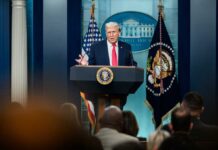
Energy Secretary Christopher Wright laid out a simple test for grid planning: build for the moments people need power the most, not for average days. In a recent interview, Wright argued that winter storms and heat waves expose the consequences of underbuilt or over-optimized systems.
That framing fits a reliability-first philosophy that prioritizes dispatchable generation—resources that can deliver on command—when homes, hospitals, and industry hit maximum load.
Wright’s comments also arrive after years when federal and state policy debates often treated energy as a messaging exercise—counting megawatts installed rather than megawatts available at the worst possible time.
The research points to a national outlook in which peak demand could rise by more than 20% over the next decade, driven by AI, electrification, and industrial growth. That kind of surge raises uncomfortable questions about whether intermittent generation alone can cover peak-hour reliability needs.
Three Mile Island’s Return Is Tied to AI Power Demand and a Microsoft Deal
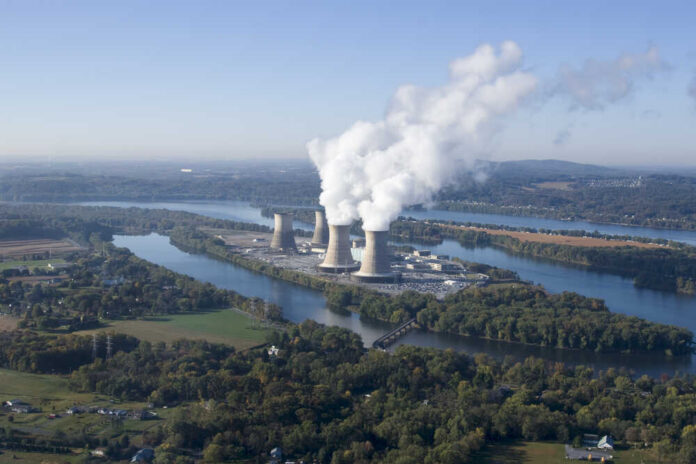
Three Mile Island remains politically and emotionally charged because of the 1979 Unit 2 accident, even though the current restart effort centers on Unit 1, which Constellation shut down in 2019 for economic reasons.
Now Constellation is targeting a 2027 restart, and the project is tied directly to growing demand from data centers and AI. Microsoft’s agreement to buy power from the facility underscores how big tech is seeking steady, carbon-free electricity at scale.
Energy secretary says grid must be built for ‘peak demand’ as Three Mile Island plans return https://t.co/CguSjK11mV
— FOX Business (@FoxBusiness) February 20, 2026
The Trump administration’s support, including a reported $1B federal loan, signals a policy pivot toward getting large, always-on generation back online rather than betting the grid on best-case conditions.
For conservative readers, the practical point is straightforward: a modern economy can’t run on slogans when families need heat, factories need continuity, and emergency services can’t “curtail” during a crisis.
The research does not detail the loan’s exact terms, but it frames the financing as a key enabler of the restart timeline.
DOE Emergency Orders Show How Fast Grids Can Enter the Danger Zone
The reliability debate is not theoretical. Federal actions during Winter Storm Fern included a Department of Energy amended emergency order focused on ERCOT, reflecting how quickly extreme weather can push systems toward shortages.
Separate DOE material cited the use of backup resources and other steps intended to avert blackouts and stabilize supply during winter peaks. The research also notes a NERC winter assessment warning of fast-rising demand and concerns about reserves, especially during cold snaps.
Those interventions matter because they reveal the grid’s real stress points: not annual averages, but the few hours where everything must work at once.
When policymakers concentrate primarily on capacity additions without matching firm supply and transmission planning, risk shifts onto households and small businesses that can least afford outages.
The sources describe large-scale backup deployment, reinforcing Wright’s argument that planning for peak demand is a life-and-safety issue, not just an engineering preference.
The Renewables Dispute Comes Down to Peak-Hour Performance, Not Talking Points
The research includes a direct critique from Canary Media, which argues that Wright presented charts that can mislead, noting renewables provided a significant share of U.S. electricity in 2025 and are often the cheapest option to build.
That critique also argues curtailment can be market-driven rather than “waste,” and it urges DOE to focus on innovation rather than what it views as favoritism toward fossil fuels. Those points highlight a real divide: cost and energy share versus reliability during peaks.
Supporters of Wright’s approach don’t need to deny renewables’ growth to insist on a different standard: performance when demand spikes and weather is hostile.
The research itself shows the federal government leaning on backup generation and existing dispatchable plants during storms, which is a reliability signal regardless of political framing.
If renewables and storage can meet peak demand consistently, they will earn trust the hard way—by keeping families safe during the worst week of the year, every year.
For now, the Three Mile Island plan illustrates where policy is moving under President Trump: toward firm power, grid security, and infrastructure designed for maximum stress rather than ideal conditions.
The sources do not provide new post–February 20 updates on permitting, timelines, or final financing, so the near-term question is execution—whether the restart stays on track for 2027 and whether parallel grid upgrades keep pace with data-center growth. The political argument may be loud, but the outcome will be measured in outages avoided.
Sources:
Energy secretary says grid must be built for ‘peak demand’ as Three Mile Island plans return
HHRG-119-IF03-MState-C001066-20260203.pdf
What energy secretary Wright gets wrong about the US grid
Energy secretary calls for more emphasis on fossil fuels to keep power on during winter storms
Fact Sheet: Energy Department Prevented Blackouts, Saved American Lives During Winter Storms
Energy Secretary Prevents Closure of Coal Plant, Provided Essential Power During Winter Storm