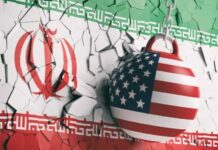

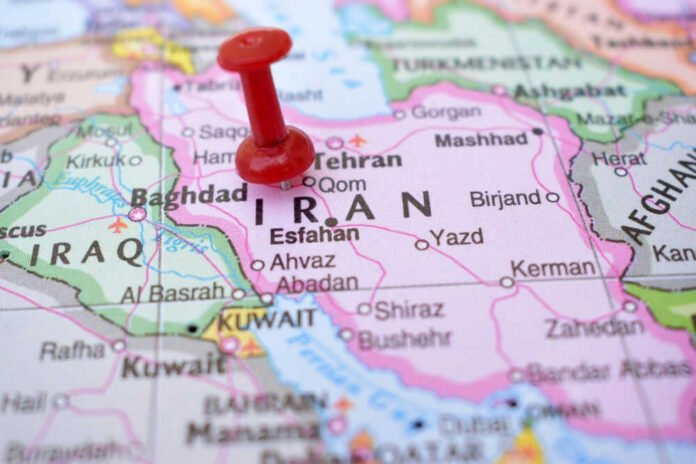
Iran’s IRGC partially closed the Strait of Hormuz—a chokepoint for 20% of global oil—during live-fire drills on February 17, 2026, as a blatant show of force while holding indirect nuclear talks with President Trump’s team in Geneva.
Story Snapshot
- Iran temporarily shut parts of the Strait for missile and drone strikes, halting tanker traffic and risking oil price spikes that hit American families.
- Timing coincides exactly with Geneva nuclear talks, pressuring U.S. negotiators amid Trump’s firm stance against Tehran’s nuclear ambitions.
- IRGC demonstrates control over vital energy route, echoing 1980s threats, as Supreme Leader Khamenei warns of sinking U.S. warships.
- Talks yield vague “guiding principles” progress, but no deal, with strait reopening after hours of disruption.
IRGC Drills Disrupt Global Oil Flow
The Islamic Revolutionary Guard Corps announced a partial closure of the Strait of Hormuz on February 17 morning for the “Smart Control of the Strait of Hormuz” exercise. IRGC forces fired live missiles and deployed advanced drones targeting the strait, forcing tanker traffic to halt for several hours.
Iranian state media cited safety and maritime concerns. This marks the first such announced closure since U.S. threats intensified in January 2026. President Trump’s deployments, including USS Abraham Lincoln and incoming USS Ford, underscore American resolve against Iranian provocation. Such actions threaten energy security for U.S. allies and everyday Americans facing pump prices.
Iran partially closed the strategically vital Strait of Hormuz on Tuesday, state media reported, citing “security precautions” as Tehran’s Revolutionary Guards conduct military drills in the waterway. https://t.co/0Wbx7GQzce pic.twitter.com/HudTsdibth
— CNBC (@CNBC) February 17, 2026
Nuclear Talks Proceed Amid Escalation
Iranian Foreign Minister Abbas Araghchi led indirect talks with U.S. representatives in Geneva, meeting IAEA Director-General Rafael Grossi beforehand. Discussions focused solely on Iran’s nuclear program, excluding Tehran’s brutal January crackdown that killed 7,015 protesters.
Talks lasted about three hours, concluding with Araghchi claiming progress on “guiding principles” and a “new window” for agreement. No imminent deal emerged. Trump, en route to D.C., indicated Iran seeks terms to avoid consequences of non-compliance. This dual-track of diplomacy and military flexing reveals Tehran’s defiance of American strength under President Trump.
Strategic Background and Power Plays
The Strait carries 20% of global oil, making it a perennial flashpoint; Iran last mined it during the 1980s Iran-Iraq War. Recent escalations stem from Trump’s restart of nuclear talks after scrapping the flawed prior deal. Talks paused in June 2025 amid Israel’s war on Iran, backed by U.S. strikes damaging nuclear centrifuges.
Iran enriched uranium to 60% purity pre-war, nearing weapons-grade. Supreme Leader Khamenei oversees IRGC hardliners, warning via state TV of asymmetric attacks on U.S. carriers. Araghchi pursues pragmatic diplomacy, but IRGC actions signal leverage through energy disruption, challenging Trump’s maximum pressure.
Oman’s Foreign Minister Badr Albusaidi noted technical alignment in talks, yet regional tensions persist with prior incidents like the U.S. downing an Iranian drone and Iran harassing a U.S.-flagged ship.
Economic and Security Impacts
Short-term disruptions spiked shipping insurance and oil prices, affecting importers in Asia and Europe while elevating war risks near U.S. assets. Long-term, Iran sets a precedent for wielding the strait as nuclear leverage, potentially deterring strikes but inviting retaliation chains. Energy markets remain volatile; prediction platforms like Kalshi bet on closures, boosting defense stocks.
Iranian protesters mourn the crackdown victims at 40 days, amid U.S.-hosted Russia-Ukraine talks in Geneva. President Trump’s policies protect American interests by compelling nuclear restraint, countering regime overreach that fuels global instability and inflation pressures at home.
Expert Danny Citrinowicz from Israel’s Institute for National Security Studies warns the move signals worldwide fallout from any Iran strike, unprecedented since the 1980s.
Sources:
WBZ/iHeart: Iran partially closes Strait of Hormuz amid nuclear talks with US
Military.com: Iran says it temporarily closed Strait of Hormuz it held more indirect talks US