
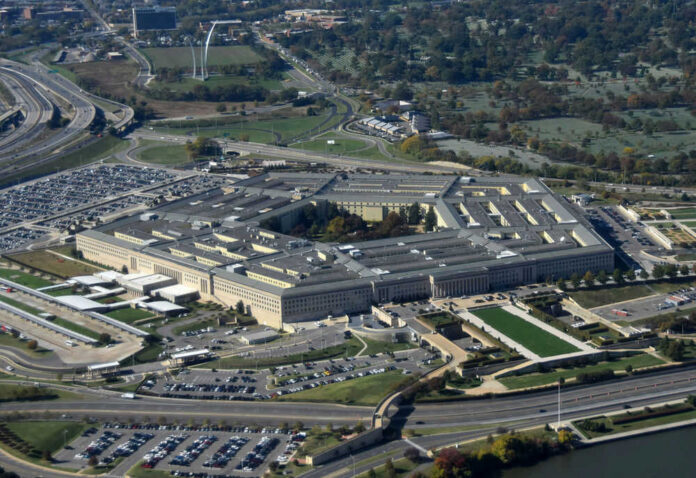
The Pentagon says the Fort Hood shooter’s court-ordered execution will be livestreamed for the public to see.
Story Snapshot
- The convicted killer of 13 at Fort Hood will face a firing squad at the base.
- Defense Secretary Pete Hegseth says the execution will be public and viewable online.
- Reports say President Trump approved the plan after Hegseth recommended it.
- The timing and location mirror the 2009 attack to underscore accountability.
What Is Set To Happen And Why It Matters
The Defense Department announced that Nidal Hasan, convicted for killing 13 people and wounding 32 at Fort Hood in 2009, will be executed by firing squad at the same base. Officials stated the execution would be livestreamed so the public can watch. Defense Secretary Pete Hegseth framed it as a clear consequence for mass murder. He argued the public should see that the state punishes such crimes. Reports said the schedule targeted December 3 at about the hour the attack began.
Hegseth tied the decision to deterrence and symbolism. He said people need to understand there are serious consequences for these acts. He also said a firing squad is the right method for this case. This is not an extrajudicial move. Hasan’s court-martial, death sentence, and appeals set the legal stage. The Pentagon’s public stance signals that the government intends to carry out a lawful sentence and show the public what that means in practice.
The Authority And The Chain Of Command
Coverage attributes the livestream plan to a recommendation from Hegseth that President Trump approved, with a Pentagon spokesperson announcing approval on October 5. That matters because it roots this action in executive power, not a rogue order. The military runs executions under command authority, and the president, as commander in chief, can approve such steps. That chain fits a conservative view of ordered justice: the state bears the sword, not the mob.
Reports also note internal debate about the livestream. Advisers discussed whether to proceed and how to handle risks. Some officials expressed concern. Debate inside an administration is normal on a first-of-its-kind broadcast. The core facts remain clear in the record: the Pentagon says there will be a public livestream, the method is a firing squad, and the location and time were chosen for their link to the crime.
Three Separate Questions, One Flashpoint
Public talk often blends three issues into one: may the state execute a convicted killer, is a firing squad acceptable, and should the execution be broadcast. American law allows capital punishment in defined cases. States and the military have used several methods across history. Broadcasting is the new and charged piece. Reformers once moved executions behind walls to avoid crowds. The Pentagon’s plan reverses that trend and leans on older ideas of public warning and retribution.
Supporters say open justice can deter copycats and give the public a sober look at consequences. They point to the weight of a lawful sentence, the right of a community to see justice served, and the need to show strength against terror. Critics warn that a livestream could hand extremists a martyr script or invite voyeurism. The Pentagon’s position answers with state control, not spectacle, and by placing the act at the crime scene under military order.
The Biblical Argument Some Are Making
Some Christians view the plan as fitting a biblical mandate for retributive justice by the state. They cite the government’s duty to bear the sword and to punish evil. That argument aligns with a conservative reading that treats lawful execution as a sober, not vengeful, act. The reporting, however, ties Hegseth’s stated reasons to deterrence and consequence, not to direct scripture quotes. The record so far shows a policy case, not a formal theological brief.
Conservatives who favor the plan stress three things: moral clarity, lawful process, and public responsibility. Moral clarity says mass murder must meet firm judgment. Lawful process says the conviction and sentence, not a mob, decide the end. Public responsibility says citizens should not look away from the costs of evil or of justice. Whether the livestream deters the next attacker is not yet proven, but the state’s resolve is plain in the Pentagon’s announcement.
Sources:
abcnews.com, afp.com, nbcnews.com, cnn.com, pbs.org