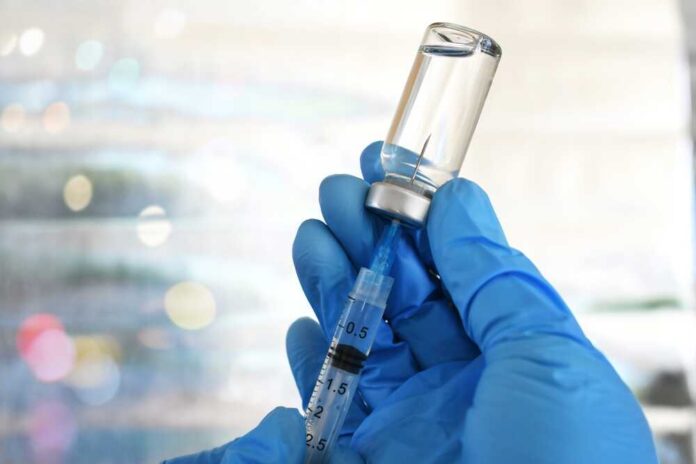
Younger adults who grew up with the chickenpox shot are now getting far less shingles.
Story Snapshot
- Large U.S. health records show shingles rates drop among adults under 35 who likely received the chickenpox vaccine.
- This fits broader research: vaccinated cohorts tend to have lower shingles risk.
- Overall shingles rose for decades in older adults, but did not spike after varicella vaccination began.
- Prevention still matters at 50 and up with the shingles vaccine, which cuts risk and pain.
What the new data shows about young adults
Epic researchers reviewed electronic health records from over 85 million U.S. patients. They found shingles rates fell from 2019 to 2026 in adults ages 18 to 34. These are the first waves of shingles after the chickenpox vaccine, which started in the late 1990s. The declines were clear across men and women. The finding lines up with a simple idea: if the original virus exposure is a vaccine, later reactivation as shingles is less likely or less severe.
The news report described specific drops in the 18 to 24, 25 to 29, and 30 to 34 age bands. Those groups are now the test case for a question asked for years. Would the chickenpox shot only stop chickenpox, or would it also cut shingles later on? The early answer from large-scale, real-world records is yes. This isn’t a perfect lifetime study, but it is a big, practical readout of how policy shows up in clinics.
Why this fits the longer shingles story
Varicella zoster virus hides in nerve cells after chickenpox. It can flare decades later as shingles. For years, studies showed shingles increasing in older adults across many countries. That rise began before the chickenpox vaccine rolled out in the United States and did not speed up after it started. Reviews by federal and academic groups trace the rise more to aging and medical conditions than to the vaccine program itself.
At the same time, work that tracks people by birth year finds something else. Kids and young adults who got the chickenpox vaccine have less shingles than peers who had wild-type chickenpox. Multiple reviews and summaries back that pattern. They report lower shingles risk in vaccinated cohorts, even as the headline rate in the whole population can rise due to age mix and better detection. The new young adult declines match that cohort logic.
What this means for families and doctors
Pediatrics now has two wins from one program. First, far fewer chickenpox cases and hospital stays. Second, a growing sign of less shingles as those kids enter adulthood. That is a clean trade: avoid a messy childhood disease now and lower a painful risk later. Parents weighing shots for late teens who missed them can read this as added value. Doctors counseling college-age patients can explain that childhood vaccination may already be paying off.
That’s kind of crazy. I guess I’m an outlier. I had chickenpox vaccine. I had childhood chickenpox. Also had adult shingles. I had MMR vaccine as a kid. Guess what? I got the mumps. Same for childhood measles! Two of my kids had chickenpox vaccine and chickenpox. Tell me more.
— Budandbae (@LGarrrett35327) October 4, 2026
For older adults, the core advice doesn’t change. The Centers for Disease Control and Prevention recommends the recombinant shingles vaccine for everyone 50 and older, and for some younger adults with weak immune systems. That vaccine does not erase risk, but it lowers the chance of shingles and the long nerve pain that can follow. Years of trials and follow-up show strong protection in the first years after vaccination.
Sorting signal from noise with common sense
Health trends often spark hot takes. Some said stopping childhood chickenpox might push shingles up in adults. Reviews of national data do not support that claim. The rise began earlier and did not jump after the chickenpox shot arrived. The more consistent thread is this: vaccinated cohorts show lower shingles risk, and early adult declines now mirror that. The best path balances two truths: keep childhood varicella vaccination high and keep adult shingles vaccination on schedule.
Sources:
nbcnews.com, cdc.gov, academic.oup.com