
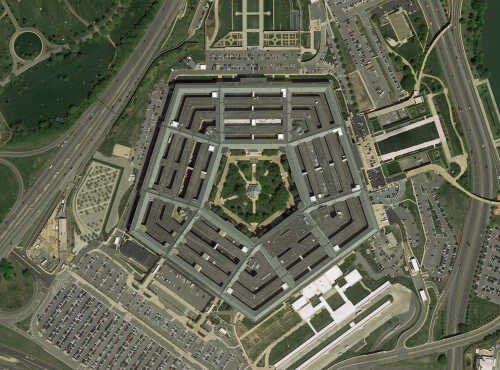
The Pentagon just told troops to keep insider knowledge off prediction markets because enemies read those signals too.
At a Glance
- The Pentagon barred troops from using nonpublic information to trade on prediction platforms.
- The memo cites operational security and warns that adversaries watch market moves.
- Violators face administrative penalties and possible criminal charges under military and federal law.
- A recent federal case alleges a soldier used classified data to bet on a planned operation.
Pentagon draws a hard line on insider bets tied to operations
The Department of Defense issued a directive that bans troops from using any nonpublic information to wager on prediction markets such as Polymarket and Kalshi. The order covers both classified material and unclassified information that has not been released to the public. Defense Secretary Pete Hegseth warned in a memo that adversaries monitor market signals, which can reveal timing or intent. The Pentagon also signaled teeth behind the rule, pointing to possible disciplinary and criminal consequences for violations.
The directive aims at a clear risk: when those with access to plans place bets, price moves can tip off watchers. The memo’s language treats these markets as open windows into sensitive timelines. It tells service members that duties to protect information extend to online betting venues, not just briefing rooms. That is a practical standard. If a unit knows a target date and someone trades on it, the market can whisper the date to the world, one price tick at a time.
A prosecution that sharpened the focus
A recent federal case gave the Pentagon’s warning a sharp edge. Prosecutors charged Army soldier Gannon Ken Van Dyke with using classified information about a planned operation, called Operation Absolute Resolve, to place bets related to the mission. The Department of Justice alleges he joined planning and execution activities between early December 2025 and early January 2026, while making linked wagers and related transfers. The charges include misuse of confidential government information, commodities fraud, wire fraud, and other counts. He has been charged, not convicted.
The alleged conduct shows how prediction markets can intersect with military timelines. If a soldier knows a window for action, a bet on “capture by date” is not a guess; it is an extraction of value from government trust. Prosecutors argue existing statutes already reach that behavior, including fraud and misuse of government information. The Pentagon’s directive reinforces that message for the ranks, turning a patchwork of laws into a bright red line for service members.
What the ban covers and how it may work
The rule blocks trading that relies on information that the public does not have, whether stamped classified or not. That includes briefed timelines, target lists, deployment moves, and other details held inside duty channels. The memo names popular platforms, but the logic applies anywhere such markets run. Enforcement can range from counseling and administrative actions to referral for criminal investigation under the Uniform Code of Military Justice or federal law if facts warrant.
Pentagon bans troops from betting using insider information
Hegseth announced the ban this past week in a memo titled “Do Not Compromise Military Operations for Personal Financial Gain.” The directive bars department members — civilian staff or uniformed troops — from using… pic.twitter.com/m0rtYK3hOo
— Armed Forces Press (@AFP_press) October 24, 2026
The mechanics of catching violators will likely follow familiar trails. Investigators can review communications, device records, wallet activity, and platform data obtained by legal process. The Department of Justice already uses those tools in fraud and insider cases. The message to troops is simple and conservative: if you raise your right hand, you do not turn duty knowledge into side bets. Markets exist to price risk; the military exists to win wars. Mixing the two serves neither.
Why this fits common sense and national security
Wars and raids hinge on surprise and speed. Prediction markets reward signals and confidence. That is a bad pairing when trust and lives are on the line. The Pentagon’s stance aligns with basic American conservative values: protect the mission, respect the oath, and punish misuse of public trust. Private profit should not ride on inside knowledge about an operation that others will carry out under fire. Clear boundaries protect both liberty and security.