
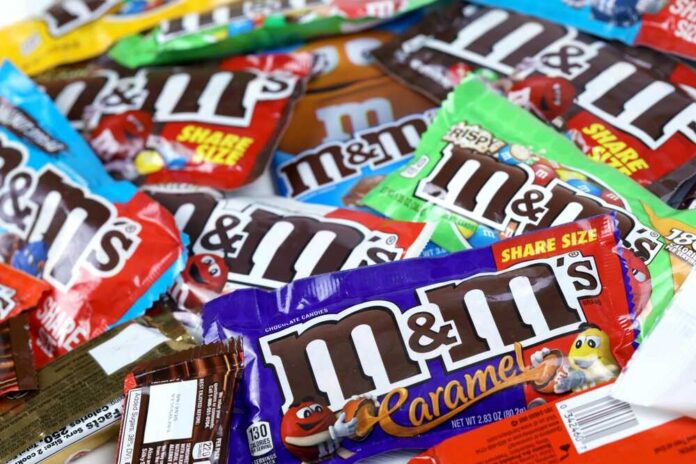
Halloween candy prices jumped 8.1% year over year, yet Americans still planned to spend billions on treats.
At a Glance
- Candy and gum prices rose 8.1% from a year earlier, outpacing overall inflation.
- Coverage projected billions in Halloween candy spending despite higher prices.
- National Retail Federation surveys show strong Halloween participation and big totals.
- Shoppers leaned on early buys and discounts to stretch budgets.
Prices Jumped While The Sweet Tooth Stayed Put
Federal data cited in local reporting showed candy and chewing gum prices up 8.1% in August from the prior year, well above the 3.4% gain in overall consumer prices. Households felt the hike in store aisles and at the register. Yet the Halloween tradition did not budge. Americans kept planning for trick-or-treat. Retailers stocked early. Families adjusted, but they did not walk away from the candy aisle.
Business coverage said Americans were still expected to spend billions on Halloween candy, even with the price jump. That line matches what many shoppers said with their carts: buy early, chase sales, and pick store brands when needed. The habit is clear. People celebrate, then figure out how to pay less per bag. That is how most families absorb higher prices without skipping the holiday.
What Surveys Actually Say About Spending
The National Retail Federation, using Prosper Insights and Analytics, has tracked Halloween spending plans for years. Its 2023 release projected a record $12.2 billion across costumes, candy, decor, and more. The survey placed candy spending at $3.6 billion and costumes at $4.1 billion that year. The point isn’t the exact split, but the direction. Participation stayed high, and spending plans stayed strong across categories.
Coverage that framed candy at $4.1 billion still captured the headline truth: the candy tab was massive even as prices rose. Survey-based estimates describe plans, not final receipts, but they trend with what stores prepare for each fall. Retailers order inventory months ahead because they see the same pattern. Households bend, substitute, and budget, yet they show up for Halloween.
How Shoppers Fight Higher Prices
Reports highlighted two survival tactics that match common sense: early shopping and deal hunting. Early buyers lock in sales before shelves get picked over. Deal hunters stack store promotions with loyalty points. Some shoppers switch from chocolate-heavy mixes to cheaper assortments. Others pick smaller bags and spread candy with non-candy treats. These moves mute the sting of an 8.1% average increase that does not hit every product the same way.
Conservative households call this what it is: discipline. You plan, you compare, and you refuse to get squeezed at the last minute. That mindset protects a family budget more than any slogan. It also sends a message to brands. Push prices too high, and shoppers pivot to rivals fast. Market pressure works when buyers stay alert and vote with their dollars.
Why Candy Costs More Right Now
Price indexes do not list every cause, but the pattern fits what manufacturers face. Cocoa and sugar costs surged in recent years, while packaging, labor, and freight added strain. Companies passed some of that through to shelf prices. Some also reduced package sizes to hold sticker prices down, a move often called shrinkflation. The result for shoppers is the same: a higher cost per ounce, even when the bag looks familiar.
Halloween candy prices are up 8.1% this year, yet Americans are still expected to spend $4.1 billion on treats. Shoppers are leaning on discounts and buying earlier to soften the hit, but the spending total itself isn't budging much.
The increase tracks broader cost pressure in… pic.twitter.com/cKQvNQEbk4
— MarketsPulse (@MarketsPulse24H) October 12, 2026
Government snapshots show the longer arc. Consumer spending data and retail surveys point to rising dollars in candy over time, as both prices and participation lift totals. The 8.1% increase landed on top of past gains, so this year’s sticker shock felt sharp. Families answered by trimming waste, targeting promotions, and keeping the joy. That choice preserved the holiday while staying loyal to a basic rule: spend where it matters, save where you can.
What To Watch As Halloween Nears
Expect more early promotions as stores work to smooth demand and avoid empty shelves. Watch for mixed bags skewing to fewer premium chocolates and more chewy candies to hit lower price points. Look for private label offerings to expand space on endcaps. These shifts help families manage the total checkout cost. If input prices ease later, shelf prices may follow more slowly. Until then, smart timing and brand flexibility will keep candy bowls full without breaking the bank.
Sources:
foxbusiness.com, newsbreak.com