
One cyber tripwire at a supermarket giant froze five brands’ digital lifelines while the stores kept humming.
Story Snapshot
- Ahold Delhaize said it hit a security issue and took systems offline to protect them.
- Websites and apps for Food Lion, Stop & Shop, Hannaford, Giant Food, and The Giant Company were down.
- Stores and pharmacies stayed open; online orders and apps were disrupted.
- Refunds were offered for unfulfilled online orders during the outage.
What Happened And Which Brands Felt It
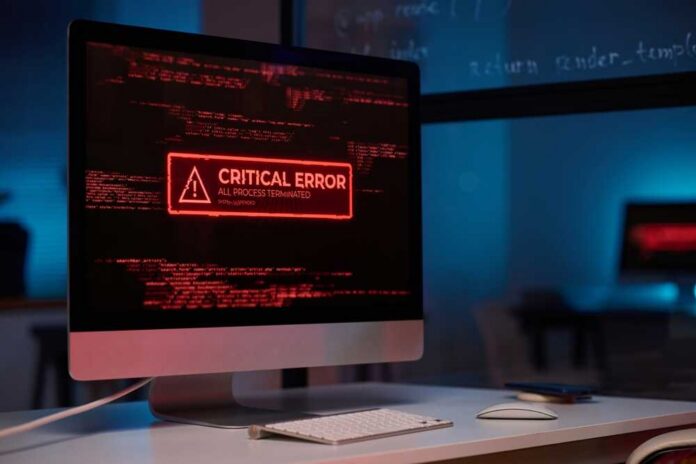
Ahold Delhaize said it faced a security issue inside its network and took some systems offline to protect them. Multiple U.S. banners under the company experienced outages that morning. Reports cited Food Lion, Stop & Shop, Hannaford, Giant Food, and The Giant Company with websites or apps down. Local coverage confirmed that Stop & Shop, Hannaford, Giant, and Food Lion apps and sites were inaccessible as of late morning the next day. The scope pointed to shared systems, not one store glitch.
Grocery shopping did not stop. Stores and pharmacies stayed open, and core in-store systems like refrigeration and checkout were not affected, according to reporting that cited the company’s statements. The company framed the online shutdown as a precaution while teams worked to assess and fix the issue. That pattern matches how large retailers contain risk early: isolate the digital front door, keep food moving, and buy time to investigate.
What Customers Experienced And How The Company Responded
Shoppers who rely on pickup or delivery saw the impact first. With sites and apps offline, online ordering went dark across several brands. Banners posted clear notes promising refunds for orders they could not fulfill. That step matters because it cuts friction and defuses anger in the moment. It also signals that order systems, payment captures, and notifications were part of the affected workflow. Honoring refunds quickly is the right call and aligns with basic fairness and accountability.
The company said teams were working with urgency to investigate and restore affected systems safely. That wording stresses caution over speed. It also hints at staged recovery, which reduces the chance of reinfection if a threat is still present. The company did not identify the exact attack method. Public statements did not claim ransomware, data theft, or any specific actor, and outlets noted those details were not disclosed at that time. A single caveat applies: early findings can change as forensics advance.
Why This Fits The Modern Retail Playbook
Retailers connect websites, mobile apps, fulfillment, loyalty, payments, and logistics. That tight wiring is efficient in normal times and risky under attack. Taking websites and apps offline can fence in a problem before it spreads. The pattern here matched that playbook: digital channels paused, stores ran, and technicians dug in. That is the conservative approach. It protects customers first, limits business damage second, and leaves attribution to investigators who need logs, not guesses.
Ahold Delhaize USA, the parent company of Stop & Shop, Food Lion and Hannaford, confirmed a cybersecurity issue forced it to take systems offline this week — knocking out websites and mobile apps across the grocery chains.
The company said it took "precautionary measures,… pic.twitter.com/eZKZ6EwBaO
— FOX Business (@FoxBusiness) October 13, 2026
Context matters for risk watchers. Retail has been a frequent cyber target in recent years, and many incidents include ransomware, according to broad industry tallies, though base rates do not decide any one case. The details that count most for shoppers and investors are simpler: whether in-store buying stayed steady, how fast refunds landed, and how soon normal ordering resumed. On those practical points, the company kept stores open, promised refunds, and worked to bring systems back online. That is competent crisis handling.
Sources:
foxbusiness.com, cybersecuritydive.com, patriotledger.com, dysruptionhub.com