
A student told investigators he took paid assignments to photograph specific planes and tail numbers, and a judge just ordered him held until trial.
Story Snapshot
- Prosecutors say the student described paid tasks to shoot assigned aircraft and tail numbers.
- Agents report finding aircraft and military plane photos on his phone.
- Surveillance allegedly placed him near restricted airport property while shooting planes.
- A judge ordered pretrial detention; the charge is making false statements.
What the government says happened and why it matters
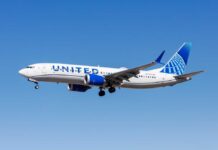
Federal prosecutors say Weiheng Zeng told investigators that an online contact assigned him to photograph specific planes and tail numbers for pay, about twenty to thirty dollars per image. Court descriptions add that the contact wanted images tied to logistics, not just hobby shots. Border agents say they later found photos of aircraft, including military planes, on his phone. Prosecutors link this to a counterintelligence probe centered on whether foreign tasking guided his activity.
Agents describe a pattern that goes beyond casual plane spotting. A federal complaint cited by news reports says surveillance placed Zeng in a FedEx employee lot near Chicago O’Hare International Airport in April, photographing aircraft from that location. That detail raises security flags because employee areas sit close to operations and equipment. Prosecutors argue the mix of assigned tail numbers, logistics focus, and access near controlled areas fits a profile they watch closely in foreign collection cases.
The concrete charge on the table
A federal grand jury indicted Zeng on one count: making false statements to United States Customs and Border Protection. Prosecutors say he first called the trip hobby photography, then described paid assignments with specific targets in later interviews. That shift gives the government a clean criminal count while a broader national security probe continues. Zeng pleaded not guilty. A magistrate judge denied his bid to return to Canada during the case, ordering detention pending trial.
The detention ruling signals the court agreed with prosecutors on risk factors, like flight or obstructing justice, while the case proceeds. It does not decide guilt. The decision keeps Zeng within reach of the court and investigators as they follow digital trails and surveillance records. Federal judges often detain when a foreign tie, a border stop, and shifting statements point to uncertainty about compliance with conditions.
What investigators say they found
Border questioning and device checks reportedly produced images of aircraft and military planes on Zeng’s phone. That content lines up with what prosecutors say he admitted: the taking of specific plane photos, sometimes focused on tail numbers and logistics. Surveillance allegedly showed him near a FedEx employee lot at O’Hare while shooting, which supports the idea of planned positioning, not random snapshots. The package of photos, location data, and interviews gives prosecutors a narrative they can present to a jury.
Defense lawyers often respond to such narratives by arguing the photos are legal, the locations were not off-limits, and the statements reflect confusion, not deceit. Prosecutors counter that changing stories and detailed tasking for pay point to intent. On common sense grounds, paid assignments for tails and logistics cross from hobby into collection. That aligns with how American conservative values view border and aviation security: enforce the line, ask hard questions, and treat targeted data gathering near critical infrastructure as a red flag.
How this fits a broader pattern without jumping the gun
Chinese intelligence collection inside the United States is a real threat, spanning cyber theft, commercial secrets, and military-related targeting. A survey by the Center for Strategic and International Studies counted 224 publicly reported Chinese espionage incidents since 2000, with a large share aimed at technology and security-relevant targets. That context explains why agents take paid aviation photo assignments seriously. It also explains why prosecutors moved on a provable false-statements count while probing any deeper links.
The government’s framing, built on admissions, photos, and a sensitive location, is direct and serious. The charge is narrow but strategic. It keeps leverage while agents test devices, payments, and contacts. If the facts hold in court, the case will read like a step-by-step playbook on low-cost collection against logistics. If they do not, the false-statements theory still stands or falls on what Zeng said versus what he did. For now, detention, the device photos, and the alleged tasking form the spine of the story.
Sources:
cbsnews.com, thespec.com, cbc.ca, unionleader.com