
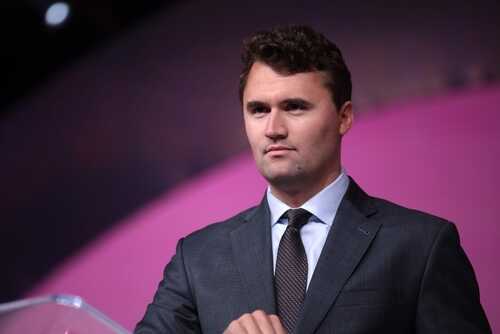
A Utah judge said the Charlie Kirk murder case has enough evidence for trial, and the death penalty stays on the table.
Story Snapshot
- Judge Tony Graf found probable cause on all seven charges and sent the case to trial.
- The ruling accepts the state’s theory that the shooter knowingly put others at deadly risk.
- Prosecutors pointed to surveillance video, forensic links to the gun, and digital messages.
- The defense attacks death-penalty eligibility, not the core shooting allegation.
Judge’s Ruling Moves Case Into Capital Trial Territory
Fourth District Judge Tony Graf ruled that prosecutors showed enough to proceed on aggravated murder and six other counts. The judge accepted the state’s aggravating-factor theory that the shot created a known risk of death to people near the stage.
That keeps a possible death sentence in play if a jury convicts and later finds aggravation. A preliminary hearing only tests probable cause, not final guilt, but it signals the state cleared the first legal gate.
Prosecutors described a tight chain: surveillance video to place the suspect at Utah Valley University, a firearm linked by ballistics, DNA tying the defendant to the weapon, and a Dremel tool recovered at his home.
Reports on the judge’s decision also quoted messages sent after the shooting that read, “I had the opportunity to take out Charlie Kirk and I took it,” and a second line about being “done” with hatred. Each piece will face a full trial test, but together they cleared the low bar for bind-over.
Why Probable Cause Matters, And What It Does Not Mean
Utah law makes a preliminary hearing a filter, not a verdict. The Utah County Attorney’s Office explained that the state only had to show probable cause to move ahead.
That standard asks whether a reasonable person could believe a crime occurred and the defendant likely did it. It does not require proof beyond a reasonable doubt, expert cross-exams at full length, or final rulings on every objection. The judge found the standard met on all counts here.
Judge sends Charlie Kirk murder case to trial with defendant facing potential death penalty https://t.co/vBwzuwm3BX
— Chicago Tribune (@chicagotribune) September 2, 2026
The aggravating factor is the hinge. Prosecutors argue the defendant knew people near the shooting line faced a high chance of death, which makes the murder death-eligible under Utah’s statute.
Defense counsel says the single bullet struck the target and flew above the crowd, so the state cannot prove knowing danger to anyone else. The judge’s order accepted the state’s reading at the probable-cause stage, sending that fight to a jury later.
The Defense Strategy: Narrow The Field To Life, Not Death
Defense filings have worked to knock out death-penalty eligibility before trial rather than try to relitigate guilt at this phase. They argue the record does not show the shooter knew bystanders faced a high probability of death.
They cite the path of the bullet and the lack of proof that anyone else stood in the line of fire. They told the court it is at least as likely the shooter believed he would not miss. The judge disagreed for now and bound the case over.
A Utah judge just bound Tyler Robinson over for trial in the assassination of Charlie Kirk.
Judge Tony Graf ruled Tuesday that prosecutors showed enough probable cause on all seven charges. Robinson pleaded not guilty. Graf also left the death penalty on the table. He found… https://t.co/IWYVmTnoxZ pic.twitter.com/cV4jcwo4um
— sandym (@Sandy1Texas) September 2, 2026
On the facts now public, the prosecution’s case reads as structured and layered, which aligns with common-sense expectations in a high-profile homicide. Video, forensics, and digital statements form a classic triangle: where, how, and why.
The cited messages, if authenticated in court, are the sharpest blade because they speak to intent. The defense points out gaps and urges caution on the aggravator. That challenge is fair game, but it does not erase the state’s current momentum.
What Comes Next And What To Watch
The trial will test every link: the chain of custody on the gun and tool, the ballistics match, the DNA methods, and the origin of the quoted texts. Expect disputes over the venue layout, the crowd map, and the shot trajectory.
Those details decide the core aggravator. Also watch media-access rulings and transcript releases, which shape what the public sees and when. A capital case demands patience; the next real verdict comes from a jury, not a news alert.
Sources:
apnews.com, kvia.com, rev.com, npr.org, foxnews.com, youtube.com, kutv.com, yahoo.com, abc4.com, atty.utahcounty.gov, wbaltv.com