
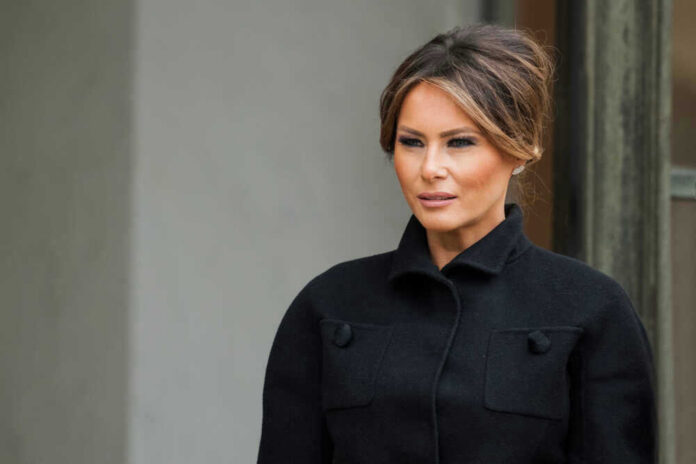
Guns went quiet in Oleshky because First Lady Melania Trump helped broker a narrow ceasefire to move people and aid.
Story Snapshot
- The White House credited Melania Trump and her envoy with drafting terms with both sides.
- Russian and Ukrainian officials announced the same pause in firing for Oleshky.
- Ukraine’s chief negotiator outlined a three-step plan: ceasefire, aid, evacuation.
- Reports logged the truce going into effect on October 27 local time.
A pinpoint ceasefire with a concrete job to do
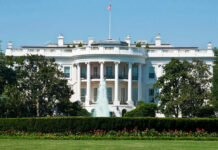
Officials in Russia and Ukraine said the shooting around Oleshky would stop at a set time so aid could enter and civilians could leave. The White House said First Lady Melania Trump and a representative worked with both sides to define the terms, focusing on a safe corridor for relief and evacuation. The plan aimed at a single city under pressure, not a nationwide pause. That narrow scope raised the odds of action over talk, which often decides if a truce actually helps people.
Ukraine’s human rights ombudsman, Dmytro Lubinets, described the operation in three stages: first, a ceasefire; second, aid delivery; third, evacuation for those who chose to move. This structure matches what seasoned mediators push for in hot zones: a clear window, a defined route, and a short list of tasks. The White House and embassy statements said non-military teams from both sides would go door to door, assess needs, and arrange transport through a designated passage. That is how you turn paper promises into bus seats.
What both sides confirmed, and when
Russian and Ukrainian announcements aligned on a halt in firing at the same hour around Oleshky, which cut the noise around political credit and set a clock everyone could watch. Reports from October 27 said the localized truce went into effect, with Lubinets posting the 3 a.m. Kyiv start and Russia’s defense ministry signaling a stop to shelling toward the city. A timing wrinkle exists: earlier U.S. messaging pointed to October 29 for the humanitarian phase, which suggests stages rather than one flip of a switch.
The operational plan included non-military visitation teams, coordination for evacuations either toward Ukrainian-held areas or into Russia, and documentation by a yet-unnamed media outlet, according to briefings cited by reporters. The lack of a named outlet leaves an open question on transparency, but the presence of a documentation step follows a core lesson of conflict management: get neutral eyes on the corridor, or expect finger-pointing when rounds land. The more verifiable the corridor, the longer it tends to hold.
Credit, politics, and the test of results
The name on the announcement matters less than whether families got out and aid got in. Still, attribution debates began. One Ukrainian official, Davyd Arakhamia, said the agreement stemmed from a longer process that also involved Pope Leo, which complicates claims that one person alone delivered it. Residents voiced doubts after months of failed promises, which any clear-eyed observer should expect in a war zone with shifting control and broken bridges. Skepticism, however, does not erase the fact of a declared and observed pause.
The conservative lens asks two simple questions: did the guns stop, and did the corridor open. Reports mark the silence starting, and Ukrainian and Russian sides both put their names on the clock. That cross-check makes the ceasefire real, even if limited and fragile. Claims about who drove the deal should rest on records, not headlines. Releasing the signed texts, call logs, and orders would settle that. Until then, weigh credit by the most conservative metric: outcomes measured on the ground.
What to watch next
Three things will decide the legacy of this pause. First, verification: named monitors or published video from the documenting outlet would show whether aid trucks rolled, routes stayed open, and civilians moved without harassment. Second, compliance: a clean corridor over multiple windows turns a one-off into a template that other towns could copy. Third, clarity: resolving the October 27 versus October 29 timeline and publishing the rules of the road would boost trust and reduce the space for spin.
Sources:
apnews.com, bbc.com, cnn.com, cnbc.com, abcnews.com, people.com, bbc.co.uk, independent.co.uk