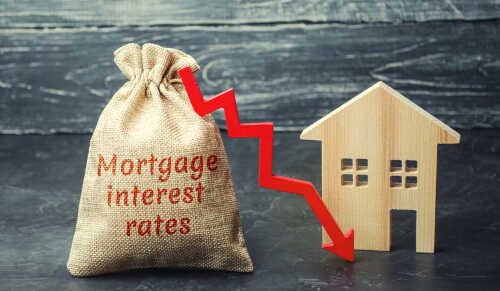
An 11% weekly crash in mortgage applications is the kind of kitchen-table warning sign that tells working Americans the “higher-for-longer” era is still squeezing the middle class.
Quick Take
- MBA data shows mortgage applications fell 11% in mid-March 2026 as the 30-year fixed rate hit 6.3%, the highest level since October.
- High rates keep “locked-in” homeowners off the market, limiting supply and keeping affordability strained even when demand cools.
- Refinancing remains muted because today’s rates are still far above pandemic-era mortgages, though refi activity was reported higher year-over-year.
- Existing-home sales have hovered near multi-decade lows, while new-home sales have held up better largely through builder incentives.
MBA’s 11% plunge shows how sensitive buyers remain
Mortgage Bankers Association tracking reported an 11% week-over-week drop in mortgage demand as the 30-year fixed rate rose to 6.3% in mid-March 2026, the highest level since October.
That kind of swing highlights how quickly a payment shock can change behavior. Even small rate moves can price out first-time buyers, delay trade-up purchases, and freeze families in place, especially in markets where prices stayed elevated despite higher borrowing costs.
Mortgage volatility is not new in this cycle. In July 2025, the 30-year fixed rate was reported around 6.84% and purchase applications rose modestly week-over-week, but the broader picture stayed choppy.
The March 2026 pullback reinforces that many households are operating at the margin: they can shop when rates dip, but they back away quickly when rates jump. That is a demand problem tied directly to affordability, not a lack of interest in homeownership.
The “lock-in effect” keeps supply tight and prices sticky
Homeowners holding sub-4% pandemic-era mortgages have a strong incentive not to sell, because moving often means swapping a low fixed payment for a much higher one.
That “rate lock-in effect” has been a major contributor to thin resale inventory compared with pre-pandemic norms, even as some measures showed inventory improving off extremely low levels. The result is a market where higher rates cool demand, but limited supply can keep prices from falling enough to restore affordability.
Mortgage demand drops more than 10% as rates hit the highest level since October https://t.co/vKLVSFMn9Y
— CNBC (@CNBC) March 25, 2026
Several recent snapshots underline the strain. Existing-home sales fell to levels associated with long-term historical lows, and homeownership was reported at around the mid-65% range after being higher.
At the same time, new-home sales held up better than many expected, helped by builders using incentives to move inventory.
That split matters for conservative households trying to budget: incentives can help on new construction, but the broader resale market remains constrained by locked-in owners and financing costs.
Refinancing stays limited, even when the economy needs relief
Refinancing has not delivered the kind of broad relief families saw in the years of ultra-low rates. MBA commentary has pointed out that rates remain too high to spark a large, sustained refinance wave for most borrowers, because millions already have mortgages well below current market levels.
While some year-over-year comparisons show refinancing higher than depressed levels, the practical reality is that fewer households can refinance to achieve meaningful monthly savings at rates in the 6% range.
What forecasts suggest for 2026: slow thaw, not a reset
Major forecasters have generally described the housing market outlook as constrained by two problems: high borrowing costs and limited affordability.
Expectations for a dramatic supply surge have been tempered, with projections leaning toward a gradual improvement in transactions driven by life events rather than a sudden return to the old normal.
Separate outlooks have also suggested that home-price growth could be flat in 2026, implying a standoff in which supply and demand pressures offset each other rather than delivering a clean correction.
For conservative homeowners and buyers, the political takeaway is straightforward even without partisan spin: when inflation and rate policy collide with everyday necessities, families lose freedom of movement. High rates function like a tax on relocation, marriage, and growing families who need more space.
With 2026 economic uncertainty still in the mix and limited post-March data available in the research provided, the clearest signal is that affordability remains the defining story—and sudden weekly drops like March’s show how brittle demand can be.
Mortgage demand drops more than 10% as rates hit the highest level since October https://t.co/x0f2No7dtZ@RapidResponse47
DEAR PRESIDENT TRUMP, PLEASE END THE FEDERAL RESERVE, THEY ARE STRANGLING US TO DEATH.— Ran Sch (@ran_sch) March 25, 2026
That brittleness also shapes broader debates about national priorities. Voters who are tired of overspending and higher living costs often expect Washington to focus on the basics—stable money, predictable policy, and an economy that rewards work.
When housing is this rate-sensitive, even small shocks can quickly ripple through consumer confidence. Until rates and prices align with middle-class incomes again, the market is likely to stay jumpy, and families will keep postponing major life decisions that used to feel attainable.
Sources:
https://208.properties/real-estate-insights/2024-housing-market-trends
https://www.housingwire.com/articles/mortgage-demand-continues-to-outpace-2024/
https://nationalmortgageprofessional.com/news/rate-decline-not-enough-spark-more-purchase-activity
https://www.jpmorgan.com/insights/global-research/real-estate/us-housing-market-outlook