
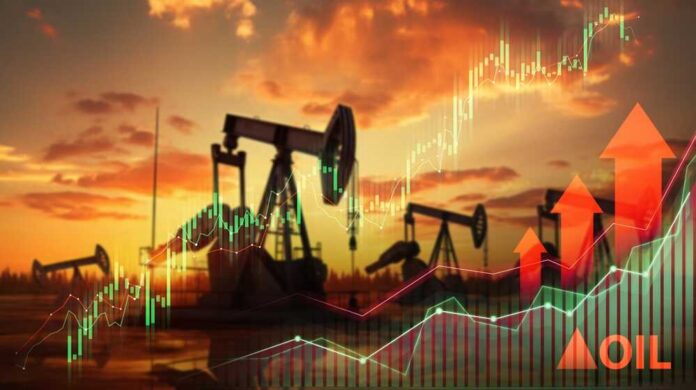
President Trump turned ExxonMobil and Chevron’s war-time profits into a public rebuke, saying the oil giants made “too much money” and should not keep all of the gains.
Story Snapshot
- Trump said ExxonMobil and Chevron were benefiting too much from higher oil prices tied to the Iran war.
- Both companies had just reported sharp second-quarter profit gains, with Chevron near $12 billion and Exxon above $14 billion.
- Trump said he did not like the result and pressed the companies to give some of the windfall back through lower fuel prices.
- The clash fits a familiar pattern: wartime supply shocks raise crude prices, and political anger follows when oil companies post record earnings.
Trump Targets Big Oil’s Windfall
Trump’s criticism landed right after ExxonMobil and Chevron posted strong quarterly results from the jump in crude prices tied to the Iran conflict.
According to the reporting, Trump told reporters the companies were making “too much money” because of a shortage, and he said he did not like it.
He also pushed them to lower gasoline prices for consumers, putting direct pressure on two of the country’s biggest energy firms.
The timing mattered as much as the message. The companies had just announced windfall profits, with Chevron’s second-quarter net income rising to about $12 billion and Exxon’s to about $14.5 billion.
Those numbers gave Trump a clean target. They also gave his remarks immediate force, because the public can see the gap between pain at the pump and riches on Wall Street.
Why the Numbers Hit a Nerve
Oil profits rise fast when war disrupts supply, especially when traders expect tighter crude markets and higher prices. That is the basic business logic behind this story. The same shock that squeezes drivers can lift the earnings of companies that pump and sell oil.
ExxonMobil and Chevron both benefited from that setup, and their combined second-quarter profits reached about $26.5 billion, according to reporting.
President Trump says that despite high oil prices, companies like Chevron and Exxon Mobil are making "too much money," amid the U.S. — Iran war: "I don't like it… They ought to give some of that back to the public." pic.twitter.com/pcYg3BlsRf
— CSPAN (@cspan) August 3, 2026
That is why Trump’s remarks landed as more than a complaint about one earnings report. He framed the companies as taking advantage of public pain during a national crisis.
In plain terms, he argued that when families pay more for fuel, giant oil firms should not treat the moment like a jackpot. That argument fits a view many share: markets work best when winners do not look like they are feeding off hardship.
A Familiar Political Fight Over Energy Prices
This is not a new fight. Every time a conflict squeezes global oil supply, the same script comes back. Prices jump, company profits rise, and politicians accuse energy firms of profiteering.
The companies say they are reacting to market conditions they do not control. That tension matters because it shapes how voters judge both Wall Street and Washington. It also explains why Trump’s attack was so blunt and so public.
🇺🇸⛽ BREAKING NEWS: U.S. gasoline prices have surged over 37% since the Iran war began in late February , with the national average reaching approximately $4.10 per gallon — a jump from around $2.98 before the conflict .
🏛️💰 President Trump has publicly condemned ExxonMobil… pic.twitter.com/9YzptTSssE
— The World Correspondent (@TheWorldCorresp) August 4, 2026
Trump’s move also showed how he tries to balance two messages at once. He has long leaned toward domestic energy production and strong business growth. But he also wants lower prices to remain a political promise.
When oil prices spike and profits soar together, those two goals collide. The result is a rare moment when the president talks like an industry ally and a market critic in the same breath.
What Happens Next
The immediate question is whether Trump’s pressure changes anything. Big oil companies cannot simply wave a switch and make world oil prices fall. But they can face stronger political pressure on pricing, drilling, and public messaging.
They can also expect more scrutiny if fuel costs stay high while profits stay elevated. That is the real danger in this fight: the optics are simple, and the public does not need an economics degree to understand them.
For now, the story is straightforward. Trump saw a wartime windfall, called it excessive, and told ExxonMobil and Chevron he did not like what he saw.
The companies had numbers that made the criticism easy to understand. The broader debate now is whether high profits during a crisis are a market outcome, a moral problem, or both.