
Missiles came first, then the message: the United States and Saudi Arabia would not sit still and take hits.
Story Snapshot
- U.S. Central Command said American forces helped shoot down Iranian missiles and drones aimed at regional neighbors.
- No U.S. personnel were reported hurt, according to Central Command and contemporaneous reports.
- U.S. and Saudi forces then struck Iran-backed militia sites in Iraq tied to recent drone attacks, per official accounts.
- Iran framed its launches as retaliation, but offered no proof that undercut the interception record.
What Happened And Why It Matters
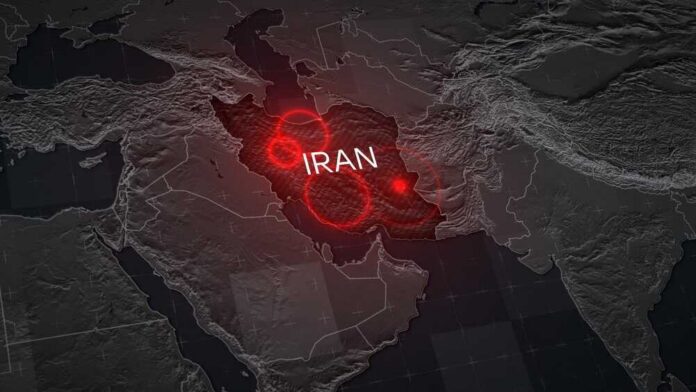
U.S. Central Command reported intercepting Iranian ballistic missiles and drones fired toward Kuwait and Bahrain. The command said all incoming threats that targeted American forces were defeated and that there were no U.S. casualties. That claim set the tone for the next step.
Within hours, U.S. forces, in coordination with Saudi Arabia, struck militia-linked sites in Iraq that officials tied to a wave of drone attacks in recent days. The sequence shows a simple rule: protect troops first, then remove launch pads.
The U.S. military says it successfully intercepted an Iranian missile barrage and worked with Saudi Arabia’s forces to strike sites in Iraq that Tehran-backed militias have used to launch attacks in recent days. U.S. Central Command in a statement Tuesd… https://t.co/IwQuhPd2Yi
— KSTP (@KSTP) July 29, 2026
Iran and Iran-aligned outlets cast the firings as retaliation for earlier actions and signaled more might come if the United States and partners did not step back. That line seeks moral cover, but it does not change the core duty to shield American service members.
How The Intercepts Worked
Regional air defenses rely on layers: ship-based interceptors at sea, land-based systems inland, and aircraft on patrol. When Central Command said U.S. forces helped shoot down missiles and drones toward Kuwait and Bahrain, that pointed to a network already spun up and tracking threats within seconds.
The value is not just stopping one strike. It is forcing the attacker to waste expensive missiles and exposing their launch patterns for follow-on targeting. That saves lives now and makes the next attack harder.
Officials often hold back exact locations and unit names during an active fight. That can frustrate people who want proof on the spot. But the broad picture fits a pattern seen across past crises: first come the intercept claims, then days later come the forensics, if they come at all.
In this case, the absence of American casualties, coupled with the immediate tempo of follow-on strikes, supports the stated outcome of successful defense. Media accounts from multiple outlets lined up with that broad result as events unfolded.
The Iraq Strikes And The Legal Frame
U.S. and Saudi forces hit what officials called logistics and weapons sites used by Iran-backed militias inside Iraq. The rationale tied those sites to more than thirty drone attacks in the prior days, according to the government accounts summarized in the reporting.
That meets the plain standard most Americans apply: stop the shooter, and if the shooter hides behind a proxy, hit the proxy’s guns, trucks, and depots. The point is deterrence by denial, not occupation or regime change.
Critics argue that the public case offered facility labels, not full declassification. That is fair to raise. But it cuts both ways. Iran’s stated retaliation claim also arrives without shared telemetry, and it asks neighbors to excuse cross-border barrages that put U.S. troops and civilian air traffic at risk.
On the scales, the facts we do have align with basic common sense: defend your people, act with purpose, and keep pressure on those who fire at you until they stop.
What To Watch Next
Two markers will show whether the strikes worked. First, the drone and rocket tempo from Iraqi militias should drop if their gear and routes were disrupted. Second, Iranian launch rates should fall if their teams fear that every shot exposes new nodes to targeting.
Central Command’s statement that no U.S. personnel were harmed creates political space to stay measured rather than escalate wildly. That is the balance to hold: keep the shield strong and apply the hammer only where it stops the next swing.
Sources:
apnews.com, theguardian.com, goodmorningamerica.com, youtube.com