
President Trump’s new vaccine order puts a familiar American fight back on center stage: how much choice parents should have when medicine says speed matters.
Quick Take
- Trump signed an executive order calling for childhood vaccines to be spaced out and for the measles, mumps, and rubella vaccine to be split into three shots.
- The White House said the order tells the Centers for Disease Control and Prevention and its advisory panel to review new childhood vaccine recommendations.
- Major medical groups pushed back, saying the combined measles, mumps, and rubella vaccine is safe and that there is no scientific basis for splitting it.
- The policy change also lowers the number of routine childhood diseases on the federal list from 17 to 11.
What Trump Ordered
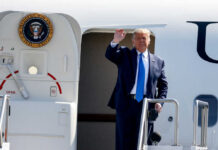
Trump signed an executive order on Monday that calls for a revised childhood vaccine schedule. The order recommends fewer routine shots, more spacing between visits, and separate measles, mumps, and rubella vaccines instead of the standard combined shot.
The White House said the order is based on a Health and Human Services scientific assessment and asks the Centers for Disease Control and Prevention and its Advisory Committee on Immunization Practices to review the federal schedule. The order would also cut the number of diseases on the routine list to 11.
Trump signs executive order on new guidelines for childhood vaccines: "Large amounts of vaccines are currently pumped into your child's body. I think it's going to make a big difference. There's something wrong when we see record numbers of autism." pic.twitter.com/xIgxVfAAZv
— TheBlaze (@theblaze) August 10, 2026
Why the Order Drew Fast Pushback
Doctors and public health experts moved quickly against the plan because it clashes with long-settled vaccine guidance. ABC quoted specialists saying the measles, mumps, and rubella vaccine should not be split apart, and NBC reported that physicians warned the changes had no scientific support.
The strongest rebuttal in the public record is simple: the current combined vaccine has a long safety record, and medical groups say giving several vaccines together is safe and effective.
The Bigger Policy Fight
This is about more than one vaccine. It is also about who gets to set the rules. Trump’s order shifts the process from the usual scientist-led schedule toward a more political system that highlights parental choice, flexibility, and what the administration calls better alignment with peer countries.
That framing will appeal to families who feel overwhelmed by a long schedule. It also speaks to the distrust of one-size-fits-all federal rules and a preference for local judgment and personal choice.
But the public medical case against the order is direct. Doctors say spacing out vaccines can make it harder to finish the full series on time, and they say the evidence does not show any safety gain from breaking up the measles, mumps, and rubella shot.
What Happens Next
The immediate issue is implementation. Federal agencies now have to translate the order into updated guidance, and that means the real fight may move from the Oval Office to the Centers for Disease Control and Prevention, where recommendation categories and timing rules are rewritten.
Stat reported that the federal system has already been reshaped, showing that this is no longer just a proposal on paper.
The sharper question is whether the new schedule improves anything for children. The administration says it gives parents more options and better matches other countries.
Doctors say it risks confusion, delays, and lower vaccine completion. On the evidence now in public view, the order is a clear political victory for Trump, but the medical debate around it is far from settled in his favor.
Sources:
apnews.com, abc7news.com, washingtontimes.com, cnbc.com, youtube.com, whitehouse.gov, statnews.com, cdc.gov