
One mislabeled cup of soup can turn an ordinary dinner into a medical emergency.
Quick Take
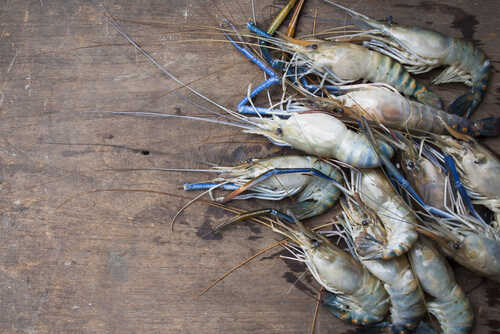
- Whole Foods Market Kitchen Minestrone Soup was recalled because it may contain undeclared shrimp [1].
- The recall covered products sold in 17 states and through Whole Foods and Amazon online channels [2].
- People with shellfish allergies face a serious or life-threatening reaction risk from this error [3].
- No illnesses had been reported in the available recall reporting at the time of the notice [1].
Why This Recall Carries Real Weight
Whole Foods did not pull this soup because of a vague quality concern. The trigger was specific and dangerous: undeclared shrimp in a product sold as minestrone soup [1]. That matters because allergen recalls are not about taste, freshness, or preference. They are about whether a shopper with a known allergy can trust a label enough to feed themselves or their family without second-guessing every ingredient.
Whole Foods minestrone soup recalled in 17 states over possible life-threatening allergic reaction https://t.co/04v9N46jMs
— FOX Business (@FoxBusiness) May 22, 2026
The risk reached beyond a single neighborhood store. Reporting says the recalled 24-ounce cups were distributed across 17 states and also sold online through Whole Foods and Amazon channels [2]. That kind of reach turns a packaging or production mistake into a regional safety event. For older shoppers who remember when store brands felt simpler and more local, this is the modern retail reality: one lot can travel fast and far.
What Shoppers Needed To Look For
The affected product was Whole Foods Market Kitchen Minestrone Soup in 24-ounce plastic cups with a use-by date of May 27, 2026 [1]. The reporting says no other soups or use-by codes were affected [1]. That narrow scope is important. It tells consumers that the danger was not a broad soup line failure, but a specific batch problem tied to one identifiable product. Precision matters in recalls because panic helps nobody.
The warning language was blunt for a reason. Shellfish allergies can produce severe reactions, and the available reporting described the hazard as serious or life-threatening for affected consumers [3]. Common sense says the same thing many expect from any responsible business: if a company finds a mislabeled allergen, it should act quickly, disclose clearly, and let buyers protect themselves before convenience or reputation gets in the way.
What The Available Reporting Does And Does Not Prove
The current material supports a precautionary recall, not a confirmed outbreak. The recall notice summarized in reporting says no illnesses had been reported [1]. That distinction matters. A recall can be justified before anyone gets hurt, especially when the product involves a major allergen. Critics sometimes demand a dramatic injury count before taking food safety seriously, but that is backwards. The best recalls happen before the hospital visit, not after it.
Kettle Cuisine has issued an urgent voluntary recall for its Whole Foods Market Kitchen Minestrone Soup due to undeclared shrimp. Consuming this product poses a serious, potentially life-threatening risk for anyone with a crustacean shellfish allergy.
— Leinona Aoki (@LeinonaA69) May 23, 2026
The reporting does not yet answer the deeper question of how shrimp ended up in a soup that should not have contained it. It could have involved a packaging mix-up, cross-contact, or an ingredient-control failure, but the available sources do not pin that down [1]. That gap is exactly why strong food oversight matters. Consumers deserve a label they can trust, not a mystery that gets cleaned up only after the fact.
Why These Recalls Keep Happening
Undeclared allergen recalls keep recurring because modern food production is complex and fast. Soup may seem simple, but one co-packer, one label swap, or one sanitation miss can create a chain of errors. The lesson is not that every company is careless. The lesson is that systems break in ordinary ways, and the consequences fall hardest on people who have no margin for error. Allergies do not negotiate with corporate process.
Whole Foods shoppers who bought the affected soup were told to return it for a refund [1]. That is the practical end of the story, but not the moral of it. The real lesson is that clear labeling is not a formality; it is a promise. When a retailer breaks that promise, even by mistake, the public reaction is not overblown. It is the sound of ordinary people insisting that basic honesty still matters.
Sources:
[1] Web – Whole Foods minestrone soup recall issued over undeclared shrimp
[2] Web – Whole Foods Recalls Minestrone Soup Over Shrimp – Source86
[3] Web – Whole Foods issues soup recall due to possible shrimp contamination