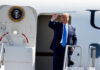

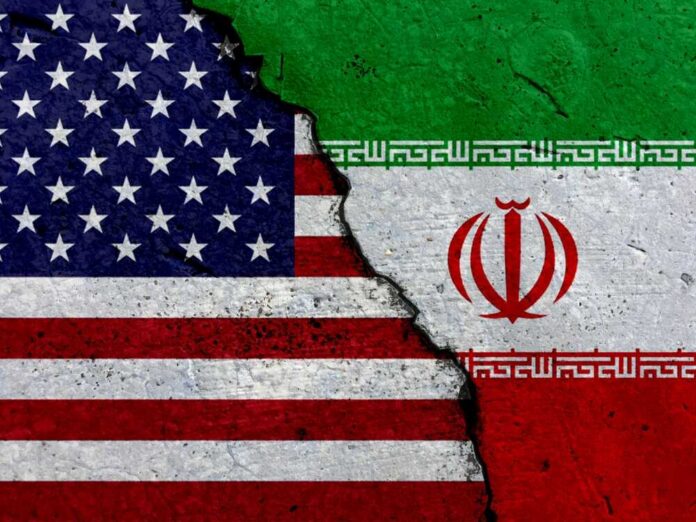
President Trump escalated a sweeping “Economic D‑Day” pressure campaign on Iran and warned of “tremendous” costs for countries that bankroll Tehran’s regime.
Story Highlights
- Trump shifted focus to intense economic pressure on Iran after months of conflict, signaling more sanctions and tighter enforcement.
- The White House and Treasury described upcoming measures as unprecedented and aimed at Iran’s oil, shipping, and finance lifelines.
- Trump said Iran faces soaring inflation and cash shortages as U.S. actions bite, and he plans to keep tightening the screws.
- Scholars note sanctions hit economies hard but do not always force political change, underscoring the stakes of the strategy.
Trump Defines the Mission: Squeeze Iran’s Cash, Not Expand the War
President Trump said his team will lean on economic power to force Iran to change course, not launch new large-scale strikes. He said the United States is “low‑keying it” and watching Iran’s inflation and money problems grow, pointing to a deliberate shift toward financial pressure.
This approach matches public comments across several days in which he stressed that Tehran is “a mess” economically and that Washington will keep ratcheting up costs until the regime feels real pain.
Treasury and senior officials previewed extraordinary steps that they said would roll out within days. Reports said the package targets Iran’s oil exports, global shipping, insurance links, and financial networks, including newer channels like digital asset exchanges that Tehran uses to dodge controls.
The goal is simple: choke the regime’s revenue, cut off outside help, and force hard choices in Tehran without dragging U.S. forces into another major ground fight.
What “Economic D‑Day” Means in Practice
Past pressure set a tough baseline. In 2018, the Treasury Department said it re‑imposed the fullest set of sanctions waived under the nuclear deal and pledged aggressive enforcement. That action hit hundreds of people, firms, aircraft, and ships tied to the regime’s money and oil networks.
Today’s escalation builds on that playbook. New steps could squeeze middlemen, insurers, refiners, tanker owners, and banks that touch Iranian barrels or payments, raising the cost and risk of doing any business with Tehran.
Trump’s message to Iran’s backers was direct. He warned that countries and companies that help Tehran will face “tremendous” consequences, a sign the campaign will reach beyond Iran’s borders to target enablers in Europe, Asia, and the Middle East.
This fits the America First lens: use financial power, protect U.S. troops, and deny cash to a regime that threatens allies, attacks shipping, and funds terror proxies. It also tells global elites that cheap barrels are no excuse to bankroll a hostile regime.
NEW: President Trump is turning up the pressure on Iran, announcing what he calls the "MOST CRUSHING ECONOMIC OPERATION EVER TAKEN AGAINST ANY COUNTRY."
"This will be Economic Warfare and Isolation on an unprecedented scale."
"I am also announcing that ANY country that allows… pic.twitter.com/2bt1LIKf5S
— FOX Business (@FoxBusiness) August 20, 2026
Why Now: Strategy, Deterrence, and U.S. Leverage
Officials framed economic pressure as a way to show strength while keeping options open. Sanctions and maritime enforcement can grind down Iran’s revenue over time, sap its ability to arm proxies, and narrow its choices at the table.
Analysts say presidents often turn to economic tools to avoid rapid escalation while still signaling resolve and preserving deterrence. Trump’s comments underline that logic: let economic pain mount, and make Tehran’s leaders choose between cash flow and continued aggression.
The administration has also targeted new evasion routes. A recent State Department action hit digital asset exchanges and a network of firms that helped Iran move funds outside normal banks.
Cutting off these lanes matters because oil trades can be disguised, ships can turn off transponders, and front companies can mask ownership. The more nodes the United States exposes and sanctions, the harder and costlier it becomes for Iran to sell oil or pay agents.
The Stakes and Limits: Pain Is Certain, Outcomes Are Not
Research on sanctions shows they can slam an economy, slash exports, and crush currency values. Yet many studies also find they do not always force rulers to meet foreign demands, especially after early shocks fade.
That record explains why the White House pairs pressure with a warning to Iran’s partners: if Tehran can find help, it can blunt the hit. The current drive aims to deny that help and speed the timeline where leaders in Tehran feel they must deal.
Trump announces Economic D-Day against Iran, targeting oil, trade, shipping & financial networks.
Secondary sanctions could raise global pressure.
📊 Potential impact: Oil ↑ | Gold ↑ | USD ↑ | Risk Sentiment ↓ Key risk: supply disruptions or wider escalation.#trump pic.twitter.com/LotAMZAfav
— Carlos And Company (@carlosandcompny) August 20, 2026
For U.S. families, the question is whether this approach restrains a hostile regime without new wars or spikes in energy costs. Trump argues that if Iran yields, oil prices could fall as supply flows more freely, easing pain at the pump.
The near-term path still depends on strict enforcement and allied support. What is clear is the direction: maximum financial pressure, tougher penalties for enablers, and a steady campaign to starve the regime’s war chest.
Sources:
aljazeera.com, reuters.com, cnbc.com, fortune.com, npr.org, finance.yahoo.com, state.gov, bloomberg.com, wsj.com